
Blog

All Models
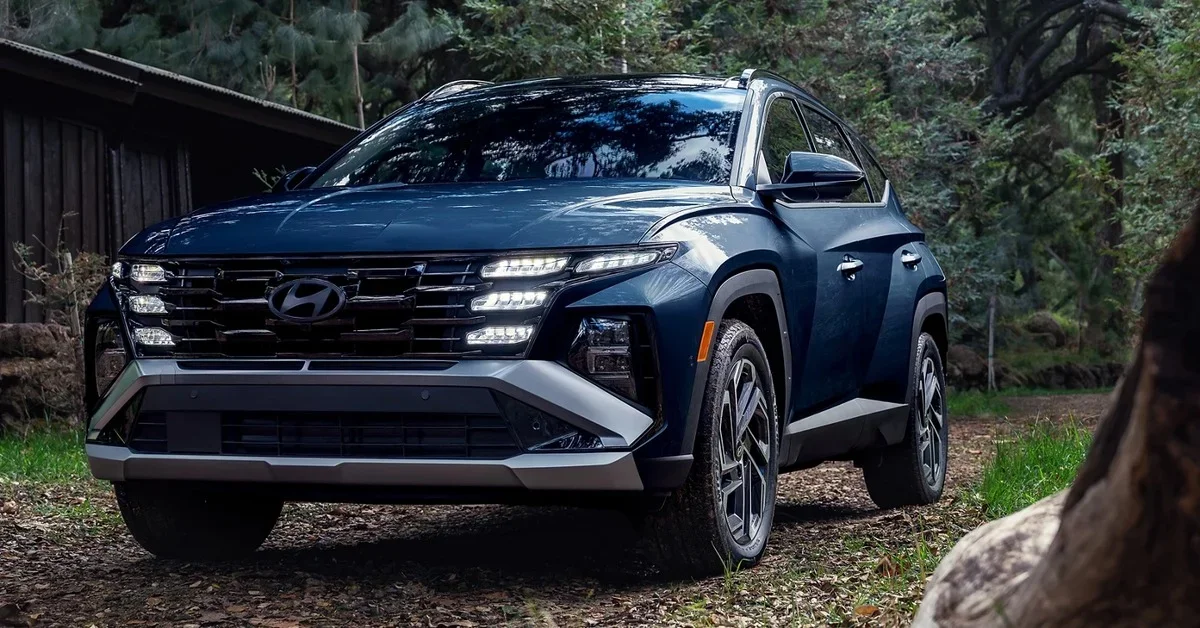
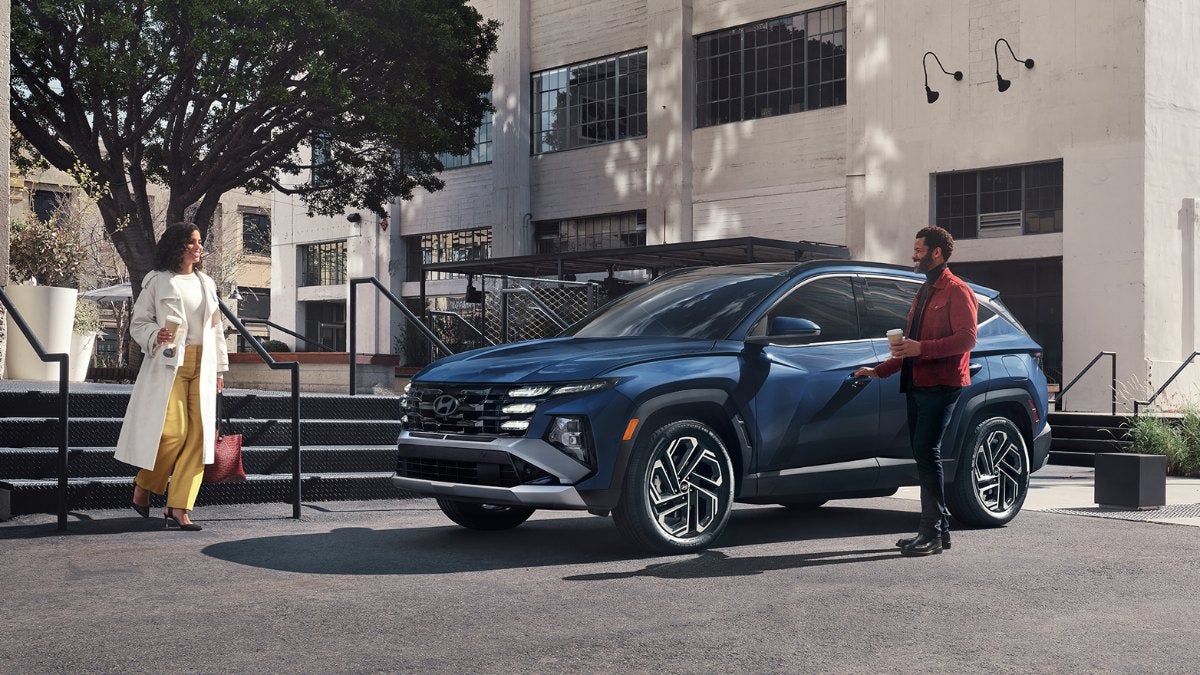
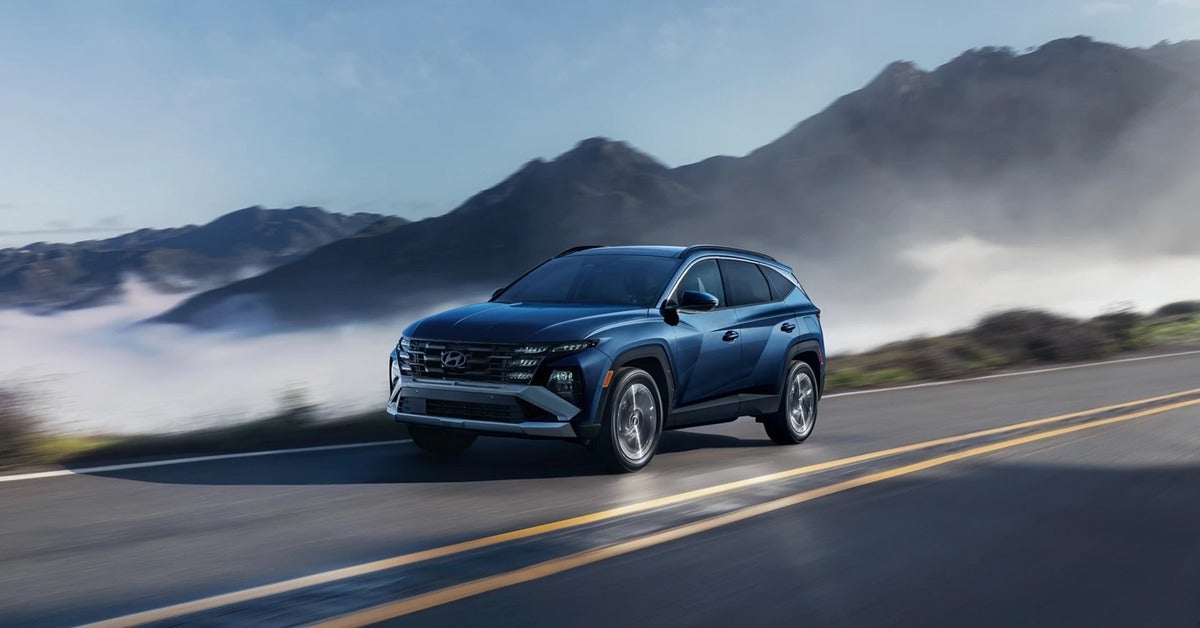
Blue Hyundai Tucson driving along a mountain road

Certified Pre-Owned Hyundai Huntsville: What the CPO Program Covers

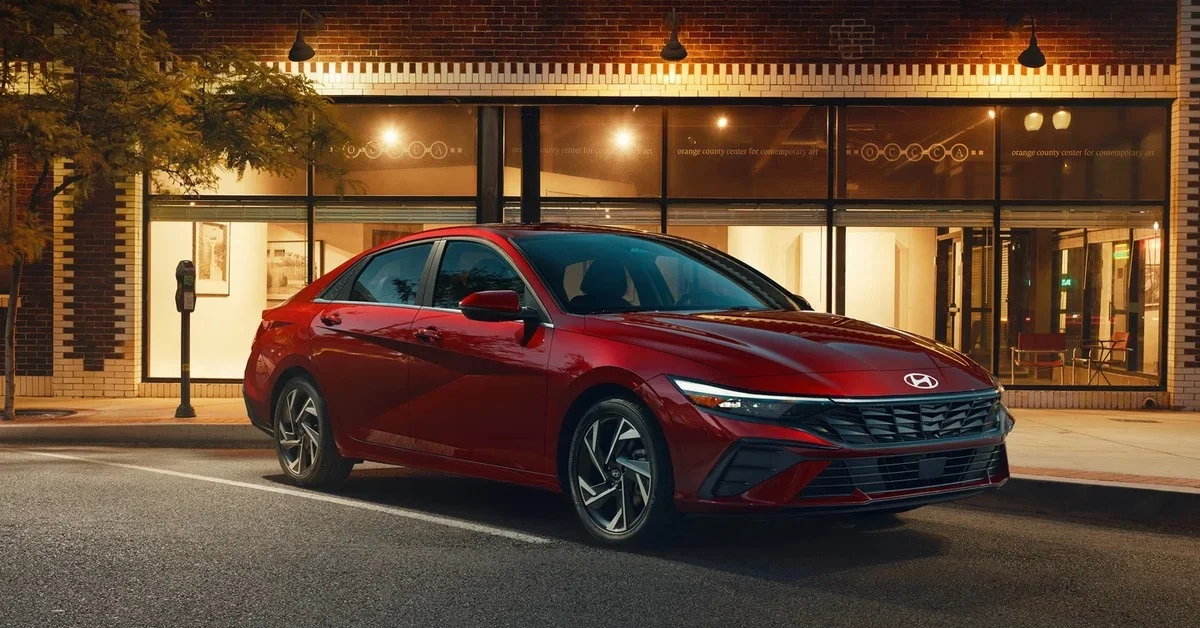
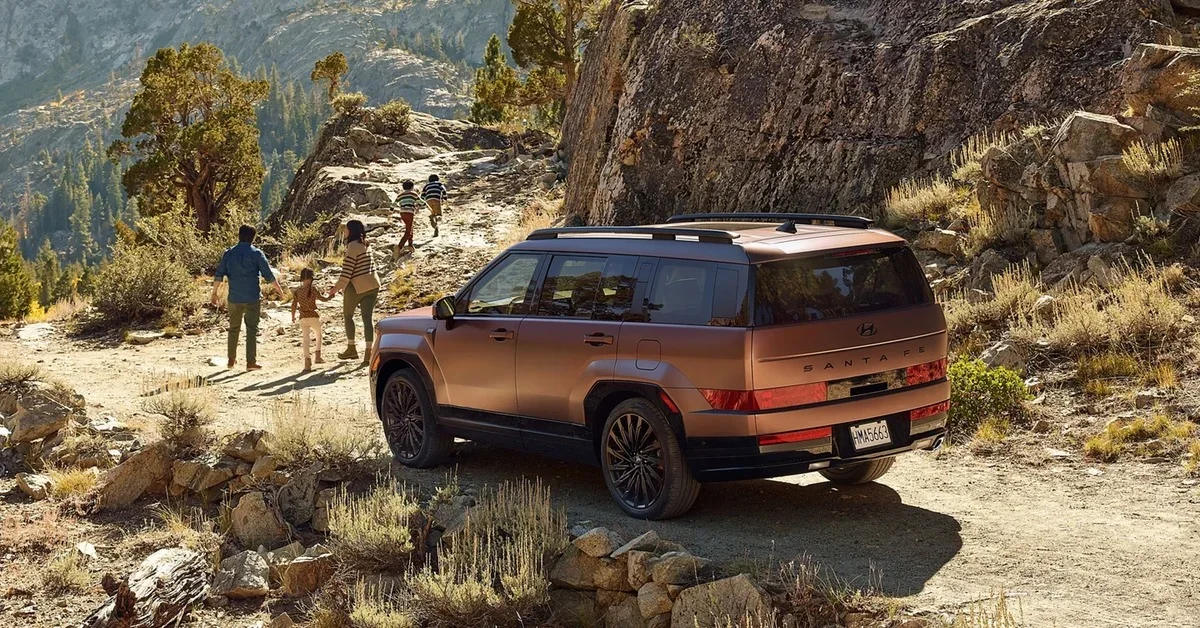
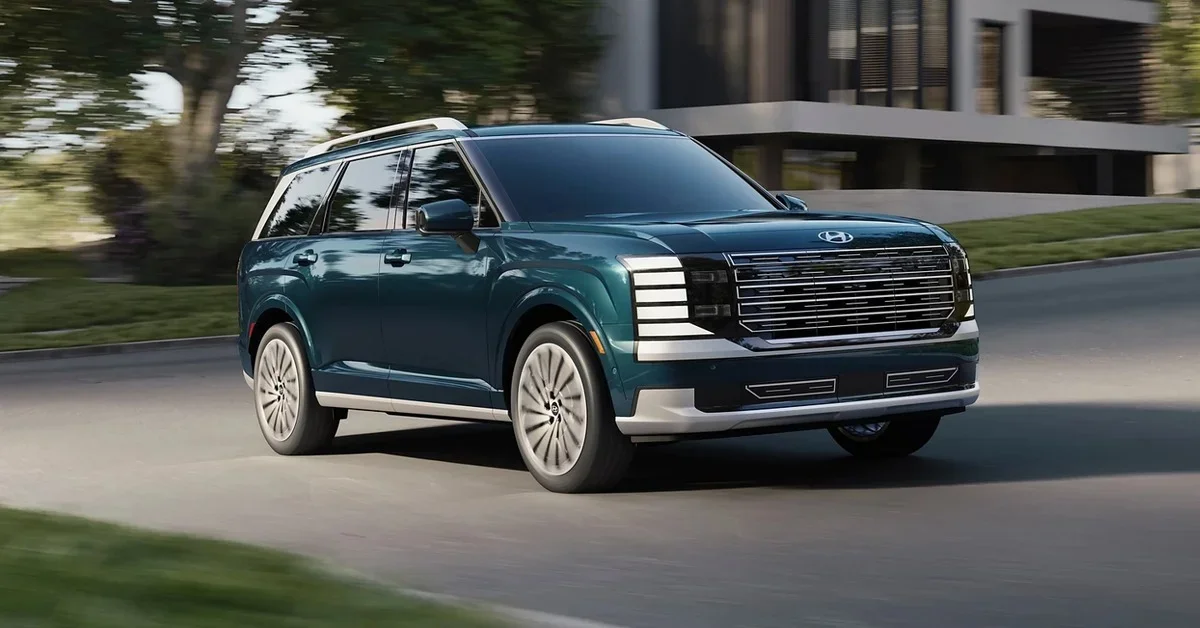
By Bentley Hyundai Team · Published November 2, 2026 If you are searching for a certified pre-owned Hyundai Huntsville shoppers can trust, it helps to know what "certified" actually means before you visit a lot. A Hyundai Certified Pre-Owned vehicle is not just a used Hyundai with a sticker. It has met the maker's age and mileage limits. It has passed a manufacturer inspection. It comes with a history report and factory-backed coverage. This guide explains the Hyundai CPO program and how it differs from a regular used car. It also covers the models shoppers look for and how to shop one at Bentley Hyundai on University Drive. Program terms can change, so treat this article as general guidance. The dealership can confirm the certification and remaining coverage on any specific vehicle by its VIN. What Certified Pre-Owned Hyundai Huntsville Shoppers Get Hyundai calls its program Certified Used Vehicles, and most shoppers simply say CPO. The idea is simple. Instead of buying a used car and hoping it matches the listing, you start with a vehicle held to a published standard. Hyundai sets that standard, not the dealership. A certified Hyundai in Huntsville faces the same checklist as one anywhere else in the country. Three pieces make up the program: Eligibility limits: Only newer, lower-mileage vehicles qualify. A manufacturer inspection: The vehicle must pass a multi-point mechanical, safety and appearance inspection. Backed coverage and records: The vehicle comes with a powertrain limited warranty and a vehicle history report. Each piece matters on its own. The combination is what separates a CPO Hyundai from the rest of the used market. Age and mileage limits Hyundai Certified Used Vehicles must be 6 model years old or newer with no more than 80,000 miles. That limit is why certified inventory skews toward recent model years. An older Hyundai with low miles can still be a good vehicle, but it will not carry the certification. The inspection Hyundai lists a 173-point mechanical, safety and appearance inspection, while noting that inspection-point counts can differ for electric, hybrid and plug-in hybrid vehicles. A long checklist does not guarantee a flawless car. It is fair to ask the dealership for the completed inspection record on the exact vehicle. That record tells you more than the point count. The powertrain warranty and history report The Certified Used Vehicles Powertrain Limited Warranty runs up to 10 years or 100,000 miles, whichever comes first. The key detail is how it is measured: from the original in-service date and total vehicle mileage, not from the day you buy the car. The clock does not restart when you buy used. A certified Hyundai that is a few years old has already used part of that coverage period. Hyundai also includes a detailed CARFAX Vehicle History Report with Certified Used Vehicles. Coverage, deductibles and exclusions are governed by the program documents. Read them before you sign and ask the dealer to confirm the remaining coverage by VIN. How a CPO Hyundai Differs From a Regular Used Car A regular used car can be an excellent purchase. The difference is not that one is good and the other is bad. It is how much of the work is already done for you and how much is left to you. Question Certified Pre-Owned Hyundai Regular used car Age and mileage Must meet Hyundai's limits of 6 model years and 80,000 miles Any age and mileage Inspection Manufacturer multi-point inspection Varies by seller, so ask what was checked Warranty Hyundai powertrain limited warranty measured from the original in-service date Remaining factory coverage, if any, or a separate plan History report CARFAX report included Ask for one and read it yourself Selection Newer vehicles, mostly Hyundai Wider range of makes, ages and mileage When certified is the better fit CPO tends to suit shoppers who want a newer vehicle and value a published standard. It also suits those who prefer coverage that is easy to understand. If you plan to keep the vehicle for years, the powertrain coverage and the documented inspection give you something concrete to point to if a question comes up later. When a regular used car makes sense A regular used Hyundai, or a vehicle from another brand, can make sense in a few cases. You may want an older model year. You may need a higher mileage than the program allows. Or you may want a body style that is not available as a certified unit. In that case, the shopping steps below matter even more, because you are doing the checking that certification would otherwise handle. Hyundai Models Huntsville Shoppers Look For Huntsville drivers commute on Memorial Parkway, Interstate 565 and University Drive. They haul gear out to the lake and drive family across North Alabama. Hyundai's lineup covers those routines with a range of sizes. Availability changes daily, so use this section to decide what to look for, then check the current list on our used inventory page. Hyundai Tucson The Tucson is one of the most common stops for shoppers who want a compact SUV. It mixes a higher seating position with a flexible cargo area, which works for a daily commute, school runs and weekend errands. If you are searching for a used Hyundai Tucson in Huntsville, compare model years, trims and drivetrain options. Check whether all-wheel drive is on the specific vehicle if that matters to you. Hyundai Santa Fe The Santa Fe sits a size up from the Tucson and appeals to households that need more room for passengers and cargo. Check rear-seat space with your own car seats or bags in place, and measure your garage if parking is tight. Hyundai Elantra For a commute with plenty of interstate miles, the Elantra is a natural sedan to consider. Sedans sit lower, are easy to park near campus or downtown and can handle a small family with a roomy back seat. Check the trunk opening if you carry bulky items. Hyundai Palisade The Palisade is the choice for shoppers who need a third row. If you carpool or host visiting family, test access to the back row with a car seat installed in the second row. Confirm that the cargo space behind the third row meets your needs. Hyundai Kona The Kona is a smaller crossover for drivers who want a higher seating position without a large footprint. It is a good test drive for city parking and short commutes. It is also worth comparing against the Tucson if you are deciding between small and compact SUVs. Other Hyundai models, such as the Sonata, Venue, Santa Cruz and IONIQ lineup, may also appear in used inventory. Because inventory changes, ask the dealership to confirm the exact vehicle and whether it carries the certification before you plan a trip. How to Shop a Certified Pre-Owned Hyundai Certification does not replace your own homework. It gives you a stronger starting point. A few steps help you confirm that the vehicle in front of you matches the paperwork. Step 1: Confirm certification by VIN Ask the dealership to confirm that the specific vehicle is certified, not just that certified Hyundais are sold there. Then ask what coverage remains based on the original in-service date and the current mileage. Write down the answer for each vehicle on your short list. Step 2: Ask for the documents Request the history report and the completed inspection record. Read them with the vehicle in front of you. Look for title status, reported accidents, ownership history and service records. NHTSA recommends requesting a history report to check for odometer discrepancies. A report is a useful starting point, but it does not replace looking at the car. Not every repair or minor accident gets reported. Step 3: Check recalls by VIN NHTSA's recall lookup lets you check whether a specific vehicle needs a safety recall repair by using its VIN. If a result needs attention, ask an authorized service provider how the campaign applies to that vehicle. Resolve questions about safe operation before driving away. Step 4: Test drive on your own roads A quick loop around the block will not tell you much. Allow enough time to drive the roads you use every day, including a stretch of highway. Here is what to pay attention to: Walk around the vehicle in daylight and look for uneven panel gaps, mismatched paint and uneven tire wear. Run the air conditioning at full cold and test the heat. North Alabama summers are hard on cooling systems. Try every window, lock, seat adjuster, screen and charging port, and pair your phone. Listen for clunks over bumps and squeals under braking. Merge onto the highway and make sure the engine pulls without hesitation. Watch the dashboard for warning lights during and after the drive. Step 5: Read the paperwork before you sign Confirm that the VIN on the paperwork matches the vehicle and check the mileage. Make sure any promised repairs or add-ons are written down. Ask about anything you do not understand. There is no reason to rush this step, and a good salesperson will answer plainly. What Certification Does Not Do Certification does not mean a vehicle is free of wear. A powertrain limited warranty is not a bumper-to-bumper plan. Tires, brake pads and other normal wear parts are generally maintenance costs that stay with the owner, and the program documents spell out what is covered. Certification also does not replace your own judgment. For extra reassurance, ask about an independent pre-purchase inspection and schedule it before you sign. Together, the certification, the records and your test drive give you a full picture. Planning Around the Whole Cost of Ownership The purchase is only one part of what a vehicle costs. Insurance, fuel, tires, routine maintenance and registration all come with it. Two vehicles that look alike on a lot can cost different amounts to own. Insurance: Get quotes on two or three specific vehicles before you shop. Rates can change by model and age. Fuel: Compare EPA ratings for the exact model year you are considering. Small differences add up over a long commute. Tires and brakes: Check tread depth and ask when the brakes were last serviced. Financing: It helps to know your options before you visit. You can start on our online finance application and see where you stand. Setting a comfortable range for the total cost keeps you from stretching for a vehicle that strains your budget later. Pricing, payments and finance terms must always be confirmed with the dealership for the specific vehicle. Trading In Your Current Vehicle If you have a vehicle to trade, gather the title or loan information, both keys and any service records before you visit. Clean it out and take photos for your own records. A trade-in appraisal is based on condition, mileage, history and local demand, so a well-kept vehicle with records tends to make a better impression. If you still owe money on it, ask how the balance would be handled and request a current payoff figure from your lender. Visit Bentley Hyundai on University Drive When you have a short list of certified and used Hyundai models, visit Bentley Hyundai at 3805 University Dr, Huntsville, AL 35816. You can browse our used inventory before you leave home and learn about Bentley Hyundai before meeting the team. We serve shoppers from Madison, Hampton Cove, Harvest, Decatur, Athens and the rest of North Alabama, and we welcome questions about the program. Ask us to confirm the exact vehicle's availability, whether it is certified and which records you can review. You can discuss finance options at your own pace, then request the full written terms before making a decision. A Quick Checklist to Bring With You Your three must-haves and three nice-to-haves The Hyundai models you want to compare, such as Tucson, Santa Fe, Elantra, Palisade or Kona Insurance quotes for the models on your list Your driver's license and proof of insurance for the test drive Title or loan details and both keys for any trade-in A notepad or phone notes for each vehicle you drive Certification gives you a clear standard, a documented inspection and coverage that is easy to explain. A few extra steps up front, confirming the certification by VIN and reading the records, is the surest way to drive home in a vehicle you will be happy with for years. Frequently Asked Questions What is a Hyundai Certified Pre-Owned vehicle? It is a used Hyundai that meets Hyundai's Certified Used Vehicles requirements: 6 model years old or newer with no more than 80,000 miles, a manufacturer multi-point inspection, a powertrain limited warranty and a CARFAX Vehicle History Report. Ask the dealership to confirm the certification for the exact vehicle by VIN. How is a CPO Hyundai different from a regular used car? A CPO Hyundai has to meet Hyundai's age and mileage limits, pass the manufacturer's inspection and carry the program's powertrain coverage. A regular used car can still be a good buy, but its inspection and coverage depend on the seller and the specific vehicle, so you need to verify more yourself. How long does the Hyundai CPO powertrain warranty last? Hyundai's Certified Used Vehicles Powertrain Limited Warranty runs up to 10 years or 100,000 miles, whichever comes first, measured from the original in-service date and total vehicle mileage. Coverage, deductibles and exclusions follow the program documents, so ask the dealer to confirm what remains on a specific vehicle. Which used Hyundai models can I find in Huntsville? Shoppers commonly look at the Tucson, Santa Fe, Elantra, Palisade and Kona, and other models such as the Sonata may appear too. Inventory changes, so check the current used inventory page and call Bentley Hyundai to confirm a specific vehicle is available and whether it is certified. Can I trade in my current vehicle when I buy a certified Hyundai? Yes, you can ask for a trade-in appraisal. Bring the title or loan information, both keys and any service records. If you still owe money on it, request a current payoff figure from your lender and ask the dealership how the balance would be handled. Sources (as of October 22, 2026) Hyundai Certified Used Vehicles (as of October 22, 2026) Check for Recalls | NHTSA (as of October 22, 2026) Odometer Fraud | NHTSA (as of October 22, 2026) Vehicle availability, pricing and finance terms must be confirmed with Bentley Hyundai. This article is general shopping guidance and is not a vehicle price, payment quote or offer of financing.

Read More
Hyundai IONIQ 5 Charging Time in Real Life

Hyundai IONIQ 5 Charging Time in Real Life

A quick stop can add meaningful range to an IONIQ 5, while an overnight charge at home can start the day with a full battery. That flexibility is a major reason EV shoppers ask about Hyundai IONIQ 5 charging time before they schedule a test drive. The useful answer is not one number. It depends on the battery, the charger, the weather, and how much charge is already in the vehicle. For most North Alabama drivers, charging becomes routine once they understand which type of charging fits each part of their week. Home charging handles daily driving. Public fast charging supports longer trips. Knowing the difference helps you choose an EV with confidence instead of planning every mile around a charging stop. Hyundai IONIQ 5 Charging Time by Charger Type The IONIQ 5 is designed to charge at home and on the road, but each charging source works at a very different pace. Exact results vary by model year, battery configuration, and equipment, so think of the following as practical planning estimates rather than guarantees. Level 1 charging: a standard household outlet Level 1 uses a regular 120-volt outlet. It is the slowest option, usually adding only a few miles of driving range per hour. Charging a largely depleted IONIQ 5 battery this way can take more than two days. That sounds limiting, but Level 1 charging can still be useful. It works well for drivers with short daily commutes, as a temporary solution before a home charger is installed, or as a backup option when traveling. For a household that drives 20 or 30 miles most days, plugging in overnight may replace much of that use. For higher-mileage commuters, it is unlikely to be the most convenient long-term setup. Level 2 charging: the everyday home solution Level 2 charging uses a 240-volt circuit, similar to the electrical service used by many larger home appliances. With a properly installed Level 2 charger, many IONIQ 5 configurations can charge from a low state of charge to full in roughly seven to eight hours. This is why Level 2 is the preferred option for many EV owners. Plug in after dinner, let the vehicle charge overnight, and leave with the range you need the next morning. You do not need to wait for the battery to reach empty before charging, either. EV drivers commonly recharge as needed and set a schedule that takes advantage of off-peak utility hours when available. Before installation, have a qualified electrician review your home’s electrical panel, available capacity, parking layout, and charger location. A good installation is about more than speed. It should be safe, convenient in all weather, and easy to use every day. DC fast charging: built for road trips DC fast charging is the quickest way to replenish an IONIQ 5 away from home. On a compatible high-output DC fast charger, certain IONIQ 5 models can charge from 10% to 80% in approximately 20 minutes under favorable conditions. Earlier model years were rated at about 18 minutes under similar conditions, while real-world sessions can take longer. The IONIQ 5’s 800-volt electrical architecture is a key advantage here. It is engineered to accept very fast charging when the station, battery temperature, and charger output all line up. For a family traveling from Huntsville toward the Gulf Coast, Nashville, or another regional destination, that can mean a recharge stop that fits naturally with a restroom break or meal. Fast charging is not always the fastest possible number shown on the charger. The vehicle may charge rapidly at first and then slow as the battery fills. That is normal battery management, not a problem with the vehicle. Why IONIQ 5 Charging Time Can Change A charging estimate is useful for planning, but it is not a stopwatch. Several factors affect the time displayed on the vehicle or charging station. The biggest is the battery’s current state of charge. Adding power from 20% to 60% is generally quicker than charging from 80% to 100%. That is why many road-trip charging plans focus on a 10% to 80% window instead of waiting for a full battery at every stop. Charger capability matters just as much. A 350-kW DC fast charger may support the IONIQ 5’s quickest charging performance, but the vehicle will only receive the power it can use at that moment. A lower-output DC charger can still be a helpful stop, but it may take longer. Public chargers can also be shared, unavailable, or affected by local conditions, so it is smart to have a backup station in mind on a longer drive. Temperature is another consideration in North Alabama. Summer heat and winter cold can influence battery performance and charging speed. The IONIQ 5 can manage the battery temperature to support efficient operation, but a cold battery may need time to warm before it can accept its quickest DC charging rate. When using the vehicle’s navigation to route to a compatible fast charger, battery preconditioning may be available on applicable models and settings to prepare the battery before arrival. Finally, your driving habits shape how often you need to charge. A daily commute from Madison to Redstone Arsenal may require only occasional home charging. A longer run to Decatur, Athens, or beyond will use more energy, particularly when carrying passengers, traveling at highway speeds, using climate control heavily, or towing where equipped and permitted. A Better Way to Plan Home Charging New EV owners sometimes assume they need to charge to 100% every night. Usually, they do not. The right routine starts with your actual mileage, not the maximum range shown on a spec sheet. If you drive 40 miles a day and have Level 2 charging at home, a few hours may replace that energy easily. You can set a charging limit that fits your needs, then reserve a higher charge level for a road trip or a day with more driving. Following the vehicle’s charging recommendations helps balance convenience and long-term battery care. If you rent, live in an apartment, or cannot install a charger, public charging access deserves extra attention before you buy. Consider the chargers near your home, workplace, and regular destinations. Ask whether charging is available while you are at work or shopping. An EV can still be a great fit without a garage charger, but your routine needs to be realistic. What to Expect on a Longer Drive For longer trips, the goal is not to find the single fastest charger and hope for the best. It is to plan stops around the route, your battery level, and the time you already expect to spend taking breaks. The IONIQ 5’s navigation and compatible charging apps can help identify available stations and estimate arrival charge. Start with more range than you think you need when traveling into unfamiliar areas. Weather, elevation, traffic, and a full cabin can affect energy use. Avoid arriving at a charger with almost no battery remaining, especially if there are limited alternatives nearby. A modest buffer gives you more options if a station is busy or out of service. It also helps to understand connector compatibility for the specific IONIQ 5 you are considering. Charging hardware and access options can differ by model year. A knowledgeable Hyundai product specialist can walk you through the ports, adapters, available charging networks, and the setup that makes sense for your driving habits. Is the IONIQ 5 a Good Fit for Your Routine? The IONIQ 5 makes the most sense for shoppers who can charge regularly at home, at work, or near their normal routine. Its quick DC fast-charging capability adds confidence for weekend travel, while its comfortable, spacious design makes it easy to use as an everyday SUV. The trade-off is simple: the best ownership experience comes from a little preparation. Confirm your home charging plan, check public chargers on routes you use often, and choose a battery and trim level that align with your daily miles. Bentley Hyundai can help you compare IONIQ 5 configurations, explain charging equipment, and arrange a test drive around Huntsville so you can see how EV ownership fits your life. The right charging routine should feel ordinary after the first week: plug in when it is convenient, wake up ready to go, and let fast charging handle the miles that take you farther from home. Frequently Asked Questions How long does an IONIQ 5 take on a public Level 2 charger in Huntsville? A public Level 2 charger works at roughly the same pace as a home Level 2 unit, so a large top-up takes several hours rather than minutes. That makes it a good fit for charging while you work, shop or sit through a long appointment. For a quick stop on a road trip, look for a DC fast charger instead. Does hot weather slow IONIQ 5 charging? It can. A very hot battery may limit fast-charging speed while the cooling system protects it, and heavy air conditioning uses energy while you drive. Parking in shade, leaving the car plugged in at home on hot days and following the vehicle's charging guidance all help. In most North Alabama summers the effect is noticeable mainly on long trips. Can I charge an IONIQ 5 at a Tesla Supercharger? It depends on the model year. Newer IONIQ 5 models use the North American Charging Standard port, while earlier ones use a CCS1 port and need a compatible adapter. The station must also be open to Hyundai vehicles. Check the charging app before you go, and ask Bentley Hyundai which connector applies to the IONIQ 5 you are considering. Does public fast charging cost more than charging at home? In most cases, yes. DC fast charging usually costs more per unit of energy than residential electricity, and some stations add session or idle fees. That is why most owners do the bulk of their charging at home and save fast charging for road trips. Check your utility's residential rates and any time-of-use plans to see what home charging costs you.
Is the Hyundai Elantra a Good Commuter Car?

Is the Hyundai Elantra a Good Commuter Car?

A morning commute around Huntsville can ask more of a vehicle than a simple trip across town. You may be merging onto I-565, dealing with stop-and-go traffic near Research Park, driving to Redstone Arsenal, or adding school and grocery runs to the route home. A Hyundai Elantra commuter car makes sense for drivers who want an efficient, easy-to-manage sedan without settling for a sparse cabin or dated technology. The Elantra is not the right answer for every household. Families who regularly need three rows, extra cargo capacity, or higher ground clearance may be better served by a Hyundai SUV. But for a solo commuter, a couple, a first-time buyer, or a household that needs a dependable second vehicle, the Elantra brings together many of the qualities that matter most on daily drives: manageable size, useful safety features, modern connectivity, and multiple powertrain choices. Why the Hyundai Elantra Works as a Commuter Car A good commuter vehicle should reduce the friction of everyday driving. That starts before the engine is even on. The Elantra's sedan footprint is easy to place in a parking deck, a crowded office lot, or a tight space at home. Its low step-in height can also be convenient when you are getting in and out several times a day. Once on the road, the Elantra's compact-sedan design helps it feel composed and approachable. It is easier to maneuver than a larger crossover, yet it provides substantially more comfort and passenger room than many drivers expect from a compact car. The front seating area is designed around daily usability, with controls and displays positioned to keep common functions within reach. For North Alabama drivers, efficiency is often a practical consideration rather than a talking point. A shorter commute may involve frequent starts, traffic lights, and idling. A longer commute may mean highway miles day after day. The Elantra lineup gives shoppers options, including conventional gas models and an available hybrid model, so you can choose based on how and where you drive. The best fit depends on your route, your driving habits, and whether maximizing fuel economy is a priority. Comfort matters after mile 20 A commuter car does not need luxury-car proportions to feel comfortable. It does need supportive seating, sensible storage, effective climate control, and a ride that does not leave you worn out after a long day. The Elantra focuses on those everyday details. The cabin also gives the car an advantage over older used sedans that may lack the features many drivers now rely on. Depending on the model and equipment, shoppers may find conveniences such as smartphone integration, digital displays, available wireless device charging, and upgraded audio. Those are not necessities for getting to work, but they can make a repetitive drive more pleasant and help keep the cabin organized. Rear-seat room is another point worth considering. If you occasionally carry coworkers, teenagers, or visiting family, the Elantra is more useful than a commuter car that treats the back seat as an afterthought. Its trunk adds flexibility for work bags, gym gear, groceries, and weekend luggage. It will not replace the cargo area of a Tucson or Santa Fe, but it covers the routine needs of many one- and two-person households well. Hyundai Elantra Commuter Car Features That Build Confidence The commute is where driver-assistance technology can earn its keep. Modern Elantra models offer Hyundai SmartSense safety and driver-assistance features, with availability varying by trim level and model year. These systems are intended to support attentive driving, not replace it, but they can provide an extra measure of awareness during busy traffic and long highway stretches. Features may include Forward Collision-Avoidance Assist, Lane Keeping Assist, Lane Following Assist, Driver Attention Warning, and blind-spot safety features. For a driver who encounters changing traffic patterns around Huntsville, these tools can be genuinely helpful. The key is understanding what is included on the vehicle you are considering instead of assuming every feature comes standard on every Elantra. That same rule applies to convenience technology. A base model may be an excellent choice for a value-focused buyer who wants the fundamentals, while a higher trim may make sense for someone who spends an hour or more behind the wheel each day and values additional comfort or connectivity. There is no universally correct trim. The right Elantra is the one that fits your commute and your financing plan without adding features you will not use. Gas, hybrid, or performance-oriented? The standard gas-powered Elantra is a natural starting point for many commuters because it balances familiar ownership with efficient day-to-day transportation. The Elantra Hybrid deserves a closer look if your route includes plenty of mileage and you want to reduce fuel stops. It may be especially appealing to drivers with consistent work schedules and predictable routes. There are also sportier Elantra variants for shoppers who want more engagement from their daily drive. Those models can be a better match for an enthusiast who values responsive performance, but they are not automatically the best commuter choice for everyone. Ride feel, tire preferences, fuel use, and insurance considerations can differ. A test drive on roads similar to your actual commute is more revealing than a quick loop around the dealership. New or Used Elantra: How to Make the Call Choosing between a new and used Hyundai Elantra often comes down to your preferred balance of current technology, warranty coverage, vehicle history, and monthly payment goals. A new Elantra may appeal to drivers who want the latest design and available features, along with the confidence of starting with a vehicle that has no prior ownership history. A used Elantra can be a smart route for shoppers focused on value, especially when they know which features matter most. A recent model year may provide many of the same core commuting benefits, while an older vehicle may offer a simpler ownership experience at the cost of newer technology or updated driver-assistance systems. Condition, maintenance history, mileage, and trim level all matter more than the badge on the trunk alone. Before deciding, think beyond the purchase itself. Ask how long you expect to keep the vehicle, how many miles you drive in a year, whether you need room for a growing family, and what service support looks like near home and work. Factory-trained technicians and routine maintenance access can help make ownership easier over the long term, particularly for a vehicle that will handle daily duty. Questions to Ask During an Elantra Test Drive A test drive should answer more than whether the car feels good for ten minutes. Set the seat and mirrors as you would for your morning drive. Connect your phone if possible, try the climate controls, check sightlines at intersections, and pay attention to road noise at different speeds. If you carry equipment for work or regularly load groceries, open the trunk and confirm that it suits your real routine. It also helps to ask about the exact vehicle's equipment, maintenance needs, available protection options, and financing paths. Redstone Arsenal personnel and other North Alabama commuters may have unique schedules, mileage patterns, or documentation needs, so a straightforward conversation can save time later. Online shopping and pre-approval tools can help you narrow options before you visit, while an in-person drive confirms whether the Elantra feels right. The best commuter car is the one you will be comfortable driving on an ordinary Tuesday, not just the one that looks good on the lot. If the Hyundai Elantra fits your route, your passengers, and your daily budget, schedule a test drive and give it the kind of real-world evaluation your commute deserves. Frequently Asked Questions Is the Elantra Hybrid worth it for a Huntsville commute? It can be, especially if your drive includes stop and go traffic on Memorial Parkway, Research Park Boulevard, or around Redstone Arsenal, where hybrids recover energy while slowing. Compare the official fuel economy estimates for each version with your annual mileage and the price difference. A test drive on your actual route helps you judge the feel. How does the Elantra handle wet roads and occasional ice in North Alabama? The Elantra is front-wheel drive, which handles rain well with good tires and sensible speeds. On the rare icy morning, tires and careful driving matter more than drivetrain. Keep tread depth healthy, slow down on bridges and overpasses along I-565, and give driver-assistance systems room to work. Those systems support you but cannot overcome ice. Can a first-time buyer finance a new Elantra at Bentley Hyundai? Bentley Hyundai has a first-time buyer program page and an online financing application for shoppers building credit. Approval and terms depend on the lender's review of income, credit history, and down payment. Bring proof of income and residence, and ask the finance team to explain the full loan terms before you sign. Is the Elantra a good fit for a car-sharing household in Madison? For many households, yes. The Elantra's size makes it easy to park and drive, and adjustable seats and phone connectivity work well when more than one driver uses the car. If someone in the household regularly carries several passengers or bulky gear, compare the Elantra with a compact SUV like the Kona or Tucson.

Hyundai Santa Fe vs Toyota Highlander Compared

Hyundai Santa Fe vs Toyota Highlander Compared

A three-row SUV has to handle more than school pickup. It may be the vehicle that carries kids, coworkers, camping gear, grocery runs, and luggage for a long weekend. In a Hyundai Santa Fe vs Toyota Highlander comparison, both SUVs bring family-friendly versatility, but they take noticeably different approaches to space, design, technology, and everyday value. The right choice depends on how your family uses the third row, whether a hybrid is part of your plan, and which features will make every drive around Huntsville, Madison, or Redstone Arsenal easier. Here is where each SUV stands out. Hyundai Santa Fe vs Toyota Highlander: The Big Difference The Hyundai Santa Fe is the more recently reimagined of these two SUVs. Its squared-off profile, tall roofline, and wide rear opening give it a practical, outdoors-ready look. It feels designed around the reality that families carry bulky things, not just passengers. Standard three-row seating and a choice of second-row bench or captain's chairs let shoppers choose configurations that prioritize either an extra passenger or more second-row comfort. The Toyota Highlander has a more traditional midsize SUV shape and a long reputation for dependability. It is a familiar choice for shoppers who want a polished family crossover with available hybrid efficiency. However, its cabin layout and third-row access can feel more conventional, especially for buyers comparing newer SUV designs side by side. Neither approach is automatically better. If you prefer an established, understated SUV and expect the third row to be occasional-use seating, the Highlander may fit well. If you want a more open-feeling cabin and a vehicle that makes loading people and gear simpler, the Santa Fe deserves close attention. Cabin Space That Works for Real Families Santa Fe favors usable room and flexibility The Santa Fe's boxier shape is more than a styling choice. It helps create a cabin that feels airy and practical, with a tall roofline that benefits rear-seat passengers. Depending on configuration, shoppers can choose a second-row bench or available captain's chairs. Captain's chairs can be especially useful for families who want an easier path to the third row and more separation between passengers on longer drives. The third row is still best understood as occasional seating for many adults in either model. That said, the Santa Fe's design makes it a strong candidate for families who will use every seat regularly for children, teens, carpools, or visiting relatives. When the third row is folded, the cargo area is shaped to accommodate the everyday items that tend to pile up quickly. Highlander is comfortable, but third-row needs matter The Highlander provides a well-finished cabin with three-row seating and thoughtful storage areas. Its second row is comfortable for daily family use, and it remains a sensible vehicle for a household that needs more room than a compact SUV can offer. Still, shoppers should test the third row instead of assuming all three-row SUVs feel the same. If the back row will mainly serve younger children or occasional guests, the Highlander can be a good match. If you expect frequent full-vehicle trips, bring the people who will actually ride there to your test drive. That one step can make the decision much clearer. Powertrains, Hybrid Choices, and Driving Feel Both SUVs offer gas and hybrid options, which matters for North Alabama drivers balancing commuting, family travel, and weekend miles. Model-year availability and specifications can vary, so confirm the equipment on the specific vehicle you are considering. The Santa Fe offers a responsive turbocharged gas powertrain along with an available hybrid. The gas model is a natural fit for drivers who prioritize stronger passing response, towing confidence, or a more assertive feel when merging onto the highway. The Santa Fe Hybrid is worth a look for shoppers who want improved efficiency without changing their routine around charging. The current Highlander also offers gas and hybrid powertrains, although Toyota has announced an all-electric next-generation Highlander. Its hybrid option has been a major part of the Highlander's appeal, particularly for commuters and families focused on reducing fuel stops. A Highlander Hybrid can make sense if efficiency is your top priority and you are comfortable with its driving character. The best way to compare them is not by a single specification. Think about your own driving. A commuter traveling from Athens or Decatur to Huntsville may place hybrid efficiency near the top of the list. A family pulling a small trailer, hauling sports equipment, or heading toward the lake may care more about capability and cargo access. Ask for a test drive route that includes neighborhood streets, highway speeds, and a few turns into a parking lot. That is where the differences become real. Technology and Convenience Hyundai has made technology a central part of the Santa Fe experience. Available displays, smartphone connectivity, driver-assistance features, and convenient controls are designed to make a busy vehicle easier to live with. The Santa Fe's interior also has a modern, purposeful layout that gives many controls a straightforward home instead of burying routine functions in menus. Available Hyundai SmartSense features can support awareness on crowded roads and during long drives. These features are assistance systems, not a replacement for an attentive driver, but they can add welcome confidence when traffic gets busy or a trip runs late. The Highlander offers the connectivity and driver-assistance technology most family SUV shoppers expect, with Toyota's established approach to control layouts and safety features. It is well-equipped in the ways that matter, though some buyers may prefer the Santa Fe's newer cabin presentation and available convenience features. For either model, focus on the features you will use every week. If your family shares the vehicle, check phone pairing, rear-seat charging access, visibility, cupholders, climate controls, and how easily a child seat fits. Those details often matter more after six months of ownership than a feature you only use once. Capability, Confidence, and Ownership An SUV should feel prepared for more than perfect weather. Both the Santa Fe and Highlander are available with all-wheel-drive capability on select configurations, a useful consideration for wet roads, gravel driveways, and trips beyond the city. Towing capability also varies by powertrain and equipment, so shoppers with a boat, utility trailer, or small camper should verify the vehicle's ratings before making a decision. The Santa Fe stands apart with trims that lean into a more rugged appearance and practical outdoor attitude. It is a compelling option for buyers who want their family SUV to look ready for weekend plans without moving up to a larger vehicle. The Highlander brings a strong reputation and a composed driving experience. For some shoppers, familiarity with the Toyota brand is a meaningful point of confidence. But long-term satisfaction is not just about reputation. It also comes from selecting the right size, features, powertrain, and service support for your household. Hyundai ownership adds the reassurance of Hyundai's warranty coverage and access to factory-trained service. Before deciding, compare the warranty terms and maintenance needs for the exact model year and powertrain you are considering. A knowledgeable dealership team should be able to walk through those details clearly, without pressure. Which SUV Fits Your Household? Choose the Hyundai Santa Fe if you want a fresh, spacious three-row design, flexible seating choices, distinctive styling, and a feature-rich cabin. It is particularly appealing for shoppers who regularly carry passengers and gear, want a hybrid option, or value a vehicle that feels intentionally designed around modern family life. Choose the Toyota Highlander if you prefer its established formula, have confidence in its familiar ownership reputation, and expect the third row to be used less often. Its hybrid version remains a reasonable choice for drivers focused heavily on fuel efficiency. A side-by-side comparison is helpful, but your daily routine should make the final call. Bring your car seats, measure the gear you carry, and sit in every row before you decide. When you are ready, search Santa Fe inventory, get pre-approved online, or schedule a test drive with Bentley Hyundai so you can see which SUV feels right from the driver's seat. Frequently Asked Questions Can a Santa Fe tow a boat to Wheeler Lake? Many Santa Fe models can tow a small boat when properly equipped, but the rating depends on the powertrain, drivetrain and equipment. Add up the boat, trailer, gear and passengers, then compare that with the owner's manual and door jamb label. Bring your trailer details to Bentley Hyundai so the team can point you to a suitable configuration. What maintenance does a Santa Fe Hybrid need? A Santa Fe Hybrid follows a schedule much like the gas model, with oil changes, filters, tire rotations and brake inspections, plus checks of the hybrid system. It does not need to be plugged in. Follow Hyundai's maintenance schedule for your model, and ask Bentley Hyundai whether complimentary scheduled maintenance applies to your purchase. Does a used Santa Fe keep Hyundai's warranty? Some coverage can carry over to later owners, but the longest powertrain coverage applies to the original owner, and later owners receive shorter coverage. A Hyundai Certified Pre-Owned Santa Fe adds inspection and warranty benefits that help close that gap. Ask Bentley Hyundai to confirm the remaining coverage on any specific used Santa Fe before you buy. Should I compare the Santa Fe with the Tucson before deciding? If you rarely use a third row, yes. The Tucson offers a smaller footprint that is easier to park around Huntsville and Madison, while the Santa Fe adds standard third-row seating and a taller cargo area. Bentley Hyundai can line up both models so you can load your own gear and see which size fits your routine.

Hyundai Tucson vs Honda CR-V for Families

Hyundai Tucson vs Honda CR-V for Families

A compact SUV has to handle more than the commute. For many North Alabama households, it needs room for school bags and groceries, confidence on a rainy drive, comfortable seating for adults in back, and fuel costs that stay manageable. In a Hyundai Tucson vs Honda CR-V comparison, both are smart, well-established choices. The better fit comes down to how you use your SUV, what features matter most, and how long you plan to keep it. Hyundai Tucson vs Honda CR-V at a Glance The Hyundai Tucson and Honda CR-V are two-row compact SUVs with available all-wheel drive, strong safety technology, flexible cargo areas, and hybrid options. Neither is a bad choice. Both are easy to live with, and both can work well for a first-time buyer, a growing family, or a professional who wants more versatility than a sedan provides. The Tucson tends to stand out with expressive exterior styling, a technology-forward cabin, a broad powertrain lineup, and Hyundai's generous warranty coverage. The CR-V appeals to buyers who prefer a familiar design, a polished road feel, and Honda's long-earned reputation for practical, durable transportation. A direct trim-to-trim comparison matters more than comparing base prices alone. Available equipment, drivetrain, hybrid status, and local incentives can all change the value equation. Interior Space and Everyday Use Both SUVs make excellent use of their compact footprints. They offer roomy front seats, adult-friendly rear seating, and cargo space near the top of this class. A family of four should find either one comfortable for regular errands, weekend travel, and carpools. The CR-V is known for its straightforward interior layout and airy passenger compartment. Its wide-opening doors and practical cargo area are especially appealing if you frequently load a stroller, sports equipment, or bulky shopping bags. Honda's controls generally feel conventional and familiar, which some drivers will appreciate right away. The Tucson takes a more modern approach. Depending on trim, its clean dashboard design, available dual-screen layout, and thoughtful storage areas give the cabin a more upscale feel than many shoppers expect in this category. Rear-seat legroom is generous, and the rear bench makes it easy to carry older children, friends, or visiting relatives without making every trip feel cramped. Cargo measurements can vary slightly by powertrain and model year, so check the specific vehicle you are considering. In real use, the difference between these SUVs is small enough that your own gear should decide it. Bring the car seat, golf bag, work equipment, or cooler to a test drive and see which cargo area works better for your routine. Ride, Handling, and Alabama Commutes The Honda CR-V has a composed, refined driving character. It feels predictable through town, stable on the highway, and easy to place in a parking lot. For drivers who simply want an SUV that feels calm and uncomplicated from the first mile, the CR-V makes a strong case. The Hyundai Tucson is also comfortable and confidence-inspiring, with a ride that suits long commutes between Huntsville, Madison, Decatur, and surrounding communities. It is tuned more for comfort than aggressive cornering, which is what most compact SUV shoppers want. Visibility is good, steering is light enough for daily driving, and the cabin is designed to make routine trips less tiring. Available all-wheel drive can be worthwhile for drivers who travel on wet rural roads, deal with gravel driveways, or take frequent weekend trips where weather is less predictable. It is not a substitute for careful driving or appropriate tires, but it can provide added traction when conditions call for it. Gas, Hybrid, and Plug-In Hybrid Choices Powertrain choice is one of the biggest reasons the Tucson deserves a close look. The Tucson lineup offers a conventional gas engine as well as hybrid and plug-in hybrid choices. That gives shoppers more ways to balance purchase price, fuel economy, performance, and charging access. The CR-V is offered with gas and hybrid powertrains. Its hybrid version is a particularly sensible option for drivers who want improved efficiency without changing their fueling habits. If you have a longer commute or spend a lot of time in stop-and-go traffic, a hybrid can make a meaningful difference over years of ownership. The Tucson Hybrid is also a strong choice for drivers who want better fuel economy with responsive everyday power. The Tucson Plug-in Hybrid adds another consideration: short local trips may be completed on electric power when the battery is charged, while the gas engine remains available for longer drives. That can be attractive for households with home charging and predictable daily mileage. The trade-off is simple. A plug-in hybrid costs more upfront and only delivers its best value when it is charged regularly. If charging is inconvenient at home or work, a standard hybrid may be the more practical answer. If you do not need hybrid efficiency, the conventional gas Tucson may offer the right mix of capability and initial affordability. Technology and Safety Features Technology is a clear Tucson strength. Hyundai equips the Tucson with useful driver-assistance features and available conveniences that can make the vehicle feel current for years. Depending on trim, shoppers may find a large touchscreen display, digital instrumentation, smartphone connectivity, available wireless device charging, premium audio, surround-view camera technology, and driver-assistance features designed to support awareness on the road. The CR-V also offers a solid set of infotainment and safety features, including the Honda Sensing suite of driver-assistance technology. Its setup will feel intuitive to drivers who prefer physical controls and a less dramatic dashboard design. For either SUV, do not assume a feature is included simply because it appears in an online photo or a review of a higher trim. Compare the exact trim and vehicle window sticker. Features such as a power liftgate, heated and ventilated seats, premium audio, parking sensors, navigation, and all-wheel drive may be standard on some versions and optional or unavailable on others. Safety technology is there to assist a focused driver, not replace one. Test the visibility, camera views, seating position, and control placement yourself. The right vehicle should feel natural before you have spent an hour adjusting to it. Warranty and Long-Term Ownership Warranty coverage can have a real impact on confidence and budgeting. Hyundai provides a 5-year/60,000-mile new vehicle limited warranty and a 10-year/100,000-mile powertrain limited warranty for original owners. Hyundai also includes hybrid component coverage that may be important when comparing electrified models. Terms, eligibility, and coverage details apply, so review the current warranty information for the vehicle you select. Honda's standard warranty is shorter, with a 3-year/36,000-mile basic limited warranty and a 5-year/60,000-mile powertrain limited warranty. Honda has a strong ownership reputation, and many buyers value its history of dependable vehicles and broad familiarity among independent repair shops. The practical question is whether you want more factory coverage during the years you expect to own the SUV. For a buyer planning to keep a vehicle for a long time, Hyundai's warranty can provide valuable reassurance. For a buyer who prioritizes Honda's driving feel or has a history with the brand, the CR-V may still be worth the difference. Regular maintenance matters with either choice. Following the recommended service schedule, using qualified technicians, and addressing small concerns early are simple ways to protect your SUV's performance and resale value. Which Compact SUV Is Right for You? Choose the Hyundai Tucson if you want bold design, a more advanced-looking interior, extensive available technology, and the option to move from gas to hybrid or plug-in hybrid power. It is especially compelling for households that value warranty coverage and want flexibility as their driving needs change. Choose the Honda CR-V if you prefer its familiar design, composed driving manners, and straightforward cabin layout. It remains a strong pick for shoppers who want a highly practical compact SUV with an efficient hybrid available. Price the vehicles with comparable equipment before making a final decision. A lower starting MSRP does not always mean the lower real-world cost, and a higher trim may include features that would cost extra elsewhere. Consider your trade-in value, financing terms, expected mileage, insurance, fuel use, and the features you will use every day. The best next step is a back-to-back drive. Sit in both rear seats, test the cargo area, pair your phone, and take each SUV on roads similar to your daily route. At Bentley Hyundai, our team can help you compare Tucson trims, powertrains, and payment options with the straightforward guidance you deserve. The right SUV is the one that makes your regular Monday morning feel easier, not just the one that looks best on the showroom floor. Frequently Asked Questions Which is better for Huntsville summers, the Tucson or the CR-V? Both compact SUVs have effective climate control systems, and either can be a comfortable choice in North Alabama heat. Look for features that help in hot weather, such as ventilated front seats, remote start that can precool the cabin, and rear vents. Availability depends on the trim, so compare the exact window stickers before deciding. Does the Tucson Plug-in Hybrid make sense for a Redstone Arsenal commute? It can, if you can charge at home most nights and your daily round trip fits within much of its electric range. Then many weekday miles may use electricity, with the gas engine ready for longer drives to Birmingham or Nashville. If charging is not convenient, the Tucson Hybrid may be the simpler choice. Can I test drive a Tucson at Bentley Hyundai and compare it with a CR-V I already drove? Yes. Schedule a Tucson test drive at Bentley Hyundai and bring notes from your other drive, along with your car seats or regular cargo. Driving the same local roads, such as I-565 or Memorial Parkway, makes the comparison fair. Ask the team to show the trim differences and driver-assistance features on the vehicle you drive. Does the Tucson's warranty transfer if I sell it later? Part of it does. Hyundai's new vehicle limited warranty generally transfers to later owners for its remaining term, while the longer powertrain coverage is reduced for subsequent owners. Exact terms apply, so review Hyundai's current warranty information. Keeping service records helps a future buyer and supports trade-in value when you return to Bentley Hyundai.

A Hyundai Dealership in Huntsville, Alabama

A Hyundai Dealership in Huntsville, Alabama

A vehicle has to work harder in North Alabama. It may handle a Redstone Arsenal commute on Monday, school pickup in Madison on Tuesday, a weekend trip to the mountains on Saturday, and daily errands everywhere in between. Choosing a Hyundai dealership in Huntsville, Alabama should be about more than finding a vehicle on the lot. It should mean getting clear answers, useful tools, and dependable support long after the purchase paperwork is complete. For many shoppers, the right starting point is identifying what the vehicle needs to do. A compact sedan can make sense for a solo commuter focused on fuel costs and easy parking. A growing family may need three rows, cargo room, and advanced driver-assistance features. An EV shopper may be weighing home charging, range, and the routines that make electric ownership practical. The best dealership experience keeps those real-life needs at the center of the conversation. What to Expect From a Hyundai Dealership in Huntsville, Alabama A full-service dealership should make each stage of ownership easier to manage. That begins with a broad selection of new Hyundai vehicles, but it should also include used inventory, Hyundai Certified Pre-Owned options, financing guidance, trade-in support, and qualified service after the sale. Inventory matters because one size rarely fits every driver. The ELANTRA is a practical choice for many commuters and first-time buyers, while the TUCSON offers flexible SUV space without stepping into a larger footprint. The SANTA FE and PALISADE can fit families who need additional passenger room, and Hyundai performance models offer another option for drivers who want a more spirited feel behind the wheel. Electric and electrified choices deserve their own consideration. The IONIQ 5, IONIQ 6, and IONIQ 9 give North Alabama shoppers options across different body styles and needs. Hybrids and plug-in hybrids may appeal to drivers who want to use less fuel without relying entirely on public charging. A fully electric vehicle can be an excellent fit for households with predictable daily driving and convenient charging at home or work. It depends on driving habits, available charging, and how often the vehicle travels beyond the local area. New, Used, or Certified Pre-Owned? New Hyundai vehicles provide the latest features, warranty coverage, and the widest ability to choose a trim level, color, and available equipment. That can be especially valuable for shoppers who have a specific need, such as all-wheel drive, three rows, or an EV configuration. Used vehicles can make a great deal of sense when budget is the leading factor. The key is looking beyond the monthly payment. Review the vehicle history, condition, mileage, ownership costs, and the features that matter most to your household. Hyundai Certified Pre-Owned vehicles offer a middle path for many buyers. They are typically a strong choice for shoppers who want more confidence in a pre-owned vehicle while still seeking value compared with buying new. Ask about certification standards, warranty details, and what inspection work has been completed so you can compare options clearly. Start Online, Then Confirm What Matters in Person Online shopping tools can save time before a visit. Search inventory by model, price range, fuel type, features, or payment goals. Estimate a trade-in value, apply for financing, and request a test drive before making the trip to University Drive. These steps help narrow the field, especially when schedules are tight. Still, a screen cannot answer every question. Sit in the driver’s seat. Check rear-seat access if you regularly carry children or adults. Bring a car seat if that is part of your routine. Open the cargo area and think about groceries, sports equipment, work gear, or luggage. For an EV, ask to see charging information and controls in person rather than relying only on specifications. A worthwhile test drive should include more than a short loop around the block. Pay attention to visibility, seat comfort, acceleration, braking, cabin noise, and how naturally the controls fit your driving style. If a model will be used for commuting, drive a route that reflects real traffic when possible. A family vehicle should feel manageable to the person who will use it most often, not just the person signing the paperwork. Financing Should Feel Clear, Not Rushed The right vehicle and the right financing plan work together. Before choosing a payment, look at the full picture: vehicle price, available incentives, down payment, loan term, estimated trade value, insurance costs, and the amount financed. A lower monthly payment can be helpful, but extending a loan term may increase the total amount paid over time. Pre-approval can give first-time buyers and experienced shoppers alike a clearer starting point. It helps establish a realistic budget and makes it easier to compare vehicles without guessing. Customers with different credit histories should not assume they have only one path forward. A finance team can explain available options, but the best decision is one that fits the household budget comfortably. If you have a current vehicle, getting a trade-in appraisal is also a practical early step. Bring keys, registration, payoff information if applicable, and any relevant service records. A clean vehicle can make a better first impression, but honesty about condition matters more than trying to hide wear or repair needs. You can also sell a vehicle directly if trading is not the best fit for your next purchase. Service Is Part of the Decision A dealership relationship should not end when the license plate is installed. Routine maintenance helps protect reliability, safety, fuel efficiency, and resale value. Oil changes, tire rotations, brake inspections, battery checks, and manufacturer-recommended service are easier to keep up with when there is one trusted place to schedule them. Factory-trained technicians and genuine Hyundai parts are particularly valuable for Hyundai owners. They understand the systems built into the vehicle and can handle maintenance, repairs, recalls, tires, and accessories with manufacturer-aligned knowledge. Independent repair shops can be appropriate in some situations, but dealership service can provide added confidence for warranty-related work, software updates, recall support, and model-specific diagnostics. Convenience counts here, too. Online scheduling, service specials, clear repair explanations, and timely communication can make routine maintenance less disruptive. Before approving a repair, ask what is urgent, what is recommended for the future, and how the work supports the vehicle’s maintenance schedule. Respectful service means you should understand the recommendation before deciding. Questions Worth Asking Before You Commit A strong dealership experience welcomes practical questions. Ask whether the vehicle is available now, which features are standard versus optional, and what warranty coverage applies. If you are considering a used vehicle, ask about condition, inspection information, and known reconditioning work. If you are shopping an EV, ask how charging equipment, estimated range, weather, and road-trip plans may affect your ownership experience. It is also reasonable to ask how your trade-in value was determined, what financing terms are available, and which fees are included in the final figures. Clear answers help prevent surprises. The goal is not to rush toward any one vehicle. It is to choose a vehicle, payment plan, and service relationship that make sense for the miles ahead. Bentley Hyundai is part of a Bentley family legacy that has served North Alabama for generations, with the kind of broad inventory and full ownership support that helps shoppers move from research to confident decisions. Search inventory, get pre-approved, schedule a test drive, or book service when you are ready, and bring the questions that matter most to your day-to-day life. Frequently Asked Questions Where is Bentley Hyundai, and which areas does it serve? Bentley Hyundai is on University Drive in Huntsville. The dealership serves shoppers and service customers across North Alabama, including Madison, Decatur, Athens, Harvest and Hampton Cove, as well as Redstone Arsenal personnel. Check the hours page before you visit, and schedule an appointment ahead of time if you are driving in from farther away. Can I service my Hyundai at Bentley Hyundai if I bought it somewhere else? Yes. Any Hyundai owner can book service at Bentley Hyundai, no matter where the vehicle was purchased. Warranty repairs and recall work are handled through authorized Hyundai dealers, so you can use the Huntsville service department for those visits as well as routine maintenance. Schedule online and bring any prior service records. Does Bentley Hyundai have a program for first-time car buyers? Yes, Bentley Hyundai offers a first-time buyer program for shoppers with limited credit history. Approval still depends on the lender and your application, so bring proof of income, proof of residence and a realistic budget. The finance team can explain the steps and help you compare vehicles that fit comfortably within your plan. Can I order genuine Hyundai parts from Bentley Hyundai online? Yes. Bentley Hyundai has an online parts request page where you can ask for genuine Hyundai parts and accessories for your vehicle. Have your VIN ready so the parts team can confirm fitment. If you would rather have the parts installed, you can schedule the work with the service department at the same time.

New Hyundai SUVs Huntsville Drivers Can Trust

New Hyundai SUVs Huntsville Drivers Can Trust

A vehicle that feels right on a short test drive still has to work on Monday morning. It needs room for a work bag, school pickup, grocery runs, weekend trips, and the changing weather North Alabama can bring. That is why shoppers looking at new Hyundai SUVs Huntsville options should start with how they actually drive, park, carry passengers, and plan to own their vehicle - not just the number on the window sticker. Hyundai’s SUV lineup gives local drivers a wide range of choices, from compact models that make commuting easier to three-row SUVs designed for growing families. The best match depends on your daily routine, your budget, and whether fuel efficiency, passenger space, capability, or electric driving is at the top of your list. New Hyundai SUVs in Huntsville for Everyday Life Huntsville drivers do not all need the same kind of SUV. A professional commuting across town and a family regularly traveling with three rows occupied will have different priorities. The advantage of a broad Hyundai lineup is the ability to compare those needs without forcing every shopper into one size or one price range. The Hyundai VENUE is a practical starting point for drivers who want SUV styling, a manageable footprint, and a value-focused approach. It can be a smart choice for first-time buyers, students, and commuters who want easier parking around downtown Huntsville or busy shopping areas. Its smaller size is a benefit in tight spaces, although shoppers who frequently carry adults in the second row or load larger gear may want more room. The Hyundai KONA brings a more versatile compact-SUV experience. It is well suited to drivers who want a comfortable everyday vehicle without moving into a larger class. Depending on the configuration, it can also appeal to shoppers interested in a more expressive design or available electric driving. As with any compact SUV, it is worth sitting in both rows and bringing along a child seat, work equipment, or other everyday cargo when possible. For many North Alabama households, the Hyundai TUCSON lands in the sweet spot. It offers a useful blend of passenger space, cargo flexibility, and maneuverability for daily driving. It is often a strong fit for small families, commuters who want more breathing room, and shoppers moving up from a sedan. Available hybrid and plug-in hybrid options can make the TUCSON especially worth considering for drivers who want to reduce fuel use without changing to a fully electric vehicle. When More Space Is the Better Investment A larger SUV can cost more than a compact model, but the added room can be worthwhile when it reduces compromises every day. If you regularly travel with children, relatives, teammates, or large items, compare the Hyundai SANTA FE and Hyundai PALISADE before deciding that a smaller SUV is enough. The Hyundai SANTA FE is built for drivers who want a spacious, family-friendly SUV with flexible seating and a confident road presence. Its size can make it a natural step up from a compact or midsize crossover, particularly for shoppers who need greater cargo capacity or appreciate the convenience of a third row. Hybrid versions may be appealing to families who cover plenty of miles but do not want to give up SUV utility. The Hyundai PALISADE is the choice to consider when three-row comfort is a true need rather than an occasional convenience. It gives larger households more space to settle in, and it is well suited to carpooling, road trips, and visits with extended family. A three-row SUV is not automatically the right choice, though. Drivers who rarely use the third row may prefer the easier parking and potentially lower cost of a smaller model. The right decision comes down to how often those extra seats will be used. Cargo needs deserve the same attention as passenger count. Think beyond luggage. Consider sports equipment, strollers, pet crates, work supplies, folding chairs, and the everyday items that tend to remain in an SUV. Opening the liftgate and checking the cargo area in person can answer questions that measurements alone cannot. Hybrid, Plug-In Hybrid, or Electric? Hyundai offers several paths for drivers who want to use less gasoline. The right one depends largely on where and how you drive. A hybrid SUV can be an easy transition for drivers who want improved efficiency without changing their fueling routine. You still stop at a gas station, but the electric motor assists the gasoline engine. This can be a sensible option for commuters, families, and anyone who does not have dependable charging access at home or work. A plug-in hybrid can travel a limited distance on battery power before operating more like a traditional hybrid. It may work well for a driver with a predictable daily commute and a convenient place to charge. The benefit depends on regular charging. If charging becomes inconvenient, a conventional hybrid may be the more practical value. For all-electric SUV shoppers, the Hyundai IONIQ 5 delivers distinctive design, modern technology, and a spacious feel for its size. The Hyundai IONIQ 9 brings electric driving to a larger SUV format for households that need more passenger room. Before choosing an EV, consider your home charging setup, typical routes, and charging availability along longer trips. Electric ownership can be very convenient when it matches your routine, but a clear charging plan matters more than a headline range number. How to Compare Hyundai SUVs With Confidence The most helpful comparison is not always between the two models that look closest in size. Compare the features and costs that will affect your ownership experience. Start by narrowing the lineup based on the number of people you carry most often and the type of driving you do every week. Next, take time in the driver’s seat. Check visibility, seat comfort, infotainment controls, and the space available behind the front seats. If you commute from Madison, Meridianville, Ryland, or Redstone Arsenal, think about the roads you use most. A compact SUV may feel more efficient and easier to place in traffic, while a larger SUV may deliver the calm, roomier ride your family prefers. Technology and safety features also deserve a real-world look. Driver-assist systems can add confidence on busy roads, but preferences vary. Some drivers prioritize a large touchscreen and phone connectivity. Others care more about available camera views, convenience features, or easy access to child-seat anchors. Ask questions, test the controls, and focus on what you will actually use. Finally, compare the complete financial picture. A lower purchase price matters, but so do estimated fuel costs, insurance, available incentives, trade-in value, financing terms, and the maintenance plan. Buyers should feel comfortable reviewing these details before making a decision. Clear information makes it easier to choose with confidence. A Local SUV Shopping Process That Respects Your Time Shopping for an SUV should not require spending every free afternoon at a dealership. Start by searching current inventory and filtering for the body style, powertrain, features, and price range that fit your needs. Since specific colors, trims, and availability can change, confirming the vehicle you want before visiting is always a good idea. If you have a vehicle to trade, getting an estimate early can help clarify your budget. It is also helpful to get pre-approved before you settle on a specific model. Pre-approval gives you a better understanding of the payment range you may be considering and lets you focus on finding the vehicle that serves your needs. A test drive is where the comparison becomes real. Drive routes that resemble your normal routine if possible. Bring the people who will ride with you most often. Ask how features work, review cargo access, and take the time to determine whether the SUV feels easy to live with. At Bentley Hyundai, our team is here to provide direct answers, organized options, and respectful support from the first search through future service visits. The best Hyundai SUV is the one that fits your life after the excitement of purchase day has passed. Search inventory, get pre-approved when you are ready, and schedule a test drive that gives you time to make a choice you can feel good about. Frequently Asked Questions Which Hyundai SUV is best for a family in Madison or Harvest? It depends on how many seats you use every day. Families of four often find the Tucson or Santa Fe comfortable, while households that regularly fill a third row should compare the Santa Fe and Palisade, or the all-electric IONIQ 9 if home charging fits. Bring car seats and cargo to a test drive to check fit. Do I need an all-wheel-drive Hyundai SUV in North Alabama? Many local drivers do fine with front-wheel drive and good tires, since snow is rare. AWD can add traction during heavy rain, on gravel or steep driveways, and on the occasional icy morning. It is available on many Hyundai SUVs. Consider where you drive, and remember that tires and speed matter more than drivetrain for stopping. Is a Hyundai EV SUV practical if I commute from Athens or Decatur? For many commuters, yes, especially with home charging. A round trip from Athens or Decatur to Huntsville or Redstone Arsenal fits within the range of many electric SUVs, and overnight Level 2 charging covers daily driving. Heat, highway speed, and cabin cooling affect range, so check the EPA estimate for the exact model and plan some margin. Can I shop new Hyundai SUVs at Bentley Hyundai online before visiting? Yes. You can search new inventory, request a trade-in estimate, and apply for financing on the Bentley Hyundai website before you come in. Confirm the specific SUV is still available, then schedule a test drive so the vehicle is ready. That helps busy Hampton Cove, Madison, and Huntsville shoppers keep the visit focused.

Used Cars Huntsville Alabama Buyers Can Trust

Used Cars Huntsville Alabama Buyers Can Trust

A vehicle has to work for your actual week, not just look good in a parking spot. When shopping for used cars Huntsville Alabama drivers can depend on, that means thinking beyond the price on the windshield. Your next vehicle may need to handle a Redstone Arsenal commute, school pickup, a trip to Decatur, weekend gear, or simply the daily miles that add up quickly across North Alabama. The right used car brings confidence without stretching your budget. Finding it comes down to asking the right questions about condition, history, ownership costs, and financing before you make a decision. What to Look for in Used Cars in Huntsville, Alabama Start with the job the vehicle needs to do. A compact sedan can be a smart choice for a commuter who values fuel economy and easy parking. A midsize SUV may make more sense for a growing family that needs rear-seat room, cargo flexibility, and available all-wheel drive. If towing, tools, or outdoor equipment are part of the plan, a truck or larger SUV may be worth the added fuel and insurance costs. There is no single best used vehicle for every household. A lower purchase price can be appealing, but a vehicle with very high mileage or overdue maintenance may require more attention later. On the other hand, a newer pre-owned model with modern safety technology, a documented service history, and remaining warranty coverage may justify a higher monthly payment. As you compare vehicles, pay close attention to condition rather than relying only on model year or odometer reading. A well-maintained vehicle with 80,000 highway miles can be a better fit than one with fewer miles and inconsistent care. Ask about the vehicle history report, prior service, number of owners, accident information, recalls, and available inspection details. Clear answers help you make a decision based on facts. Match the Vehicle to Your Budget, Not Just the Payment A monthly payment matters, but it does not tell the whole story. The total cost of ownership includes the vehicle price, taxes and registration, insurance, fuel, routine maintenance, tires, and any interest on financing. Before shopping, decide how much you can comfortably put down and what payment works without putting pressure on the rest of your monthly budget. It also helps to consider loan term carefully. Extending a loan can lower the monthly payment, but it may increase the total interest you pay. A shorter term usually means a higher payment but less interest over time. The best option depends on your cash flow, down payment, credit profile, and how long you expect to keep the vehicle. Pre-approval can make the process more organized, especially for first-time buyers or shoppers comparing several vehicles. It gives you a clearer view of your buying range before you fall in love with a specific model. A dealership finance team can also explain available lending options and help identify a structure that fits your situation. Honest guidance should never feel like pressure. Why Vehicle History and Inspection Matter Every used vehicle has a story. The goal is to understand that story before you buy. A history report can reveal title information, reported accidents, prior ownership, and registration activity. It is useful, but it should be one part of the evaluation rather than the only one. A thorough inspection adds another layer of reassurance. Look for a dealership that evaluates major systems, checks for open recalls, and prepares vehicles for sale with care. During your own walk-around, inspect the tires for even wear, look for mismatched paint or body-panel gaps, and test the lights, windows, climate controls, infotainment features, and seat adjustments. Inside the cabin, pay attention to odors, excessive wear, and anything that does not operate as expected. Under the hood, you do not need to be a technician to notice obvious leaks, loose components, or signs that basic upkeep was neglected. If something raises a question, ask it. A respectful sales team should welcome the conversation and provide a clear answer. Take a Test Drive That Tells You Something A test drive should be more than a quick loop around the block. It is your chance to see whether a vehicle feels right in the conditions you face every day. Adjust the seat and mirrors, connect your phone if that matters to you, and make sure the rear seat or cargo area meets your needs. Drive on city streets and, when possible, at highway speed. Listen for unusual noises when braking, accelerating, or turning. Notice how the transmission shifts, how the vehicle tracks in its lane, and whether the steering and brakes feel predictable. Check visibility from the driver's seat, particularly if you are comparing a sedan with an SUV or truck. For families, bring the car seats or booster seats you use regularly. For commuters, consider road noise and seat comfort. For a shopper who needs cargo space, bring a measuring tape or a few items that represent your usual load. These small steps prevent surprises after you bring the vehicle home. Consider Certified Pre-Owned for Added Reassurance Certified pre-owned vehicles can be a strong middle ground between buying new and buying a traditional used vehicle. While requirements vary by manufacturer, Hyundai Certified Pre-Owned vehicles typically meet age and mileage standards, complete a detailed inspection, and include limited warranty coverage and other program benefits. That extra confidence can be valuable for shoppers who want a late-model vehicle without the price of a new one. It may be especially appealing if advanced driver-assistance features, lower mileage, or warranty protection are high on your list. The trade-off is that certified vehicles often cost more than comparable non-certified options, so compare the coverage and condition against the difference in price. At Bentley Hyundai, shoppers can compare used and Hyundai Certified Pre-Owned options in one place, making it easier to decide whether certification fits their priorities. Use Your Trade-In as Part of the Plan If you have a current vehicle, its trade-in value can reduce the amount you need to finance. Gather the title or payoff details, both keys if available, service records, and a realistic understanding of your vehicle's condition. Cleaning out the cabin and addressing simple items such as a burned-out bulb can also help present the vehicle well. You do not have to trade in to buy used, and selling privately may bring a higher price in some situations. But a trade-in can save time and simplify the transaction, particularly when you still have a loan balance. Ask for a transparent appraisal and make sure you understand how the trade value, payoff amount, and purchase price work together. Shop With a Long-Term Ownership Mindset The best used-car purchase is not simply the one that gets you driving today. It is the one you can afford to own, maintain, and rely on over the coming years. Before signing, review the numbers, ask about service needs, confirm what is included, and make sure every question has been answered. Once you choose a vehicle, keep its maintenance schedule close. Regular oil changes, tire rotations, brake inspections, and fluid checks are practical ways to protect your investment. A dependable vehicle starts with a thoughtful purchase, then stays dependable through consistent care. Take your time, compare what matters, and schedule a test drive when a vehicle checks the right boxes. The right used car should make the road ahead feel more manageable from the first mile. Frequently Asked Questions How do I check a used car for open recalls? Run the VIN through the federal recall lookup from NHTSA or the manufacturer's website before you buy. Recall repairs are performed free of charge by an authorized dealer for that brand, so an open recall is usually fixable. For a used Hyundai, Bentley Hyundai can check recall status and schedule any open repairs through its service department. How can I spot flood damage on a used car in North Alabama? Heavy storms can flood vehicles across the Southeast, so look closely. Check the vehicle history report for a flood or salvage title brand, sniff for musty odors, and look for silt or rust under the carpets, in the trunk and around seat rails. Fogging inside lights is another warning sign. Ask the dealer for inspection details before you buy. Does Bentley Hyundai sell used vehicles from other brands? Used inventory at Bentley Hyundai can include other makes along with pre-owned Hyundai models, and it changes often as vehicles are sold and traded in. Search the used inventory online by body style, price or features, then call ahead to confirm a vehicle is still available before you make the drive to Huntsville. What kind of used car works best for a Redstone Arsenal commute? Commuters often favor a comfortable, efficient sedan or a compact SUV with good fuel economy and modern driver assistance features. A used Elantra, Sonata or Tucson Hybrid can suit a daily Redstone Arsenal drive. Focus on condition, service history and seat comfort, and take a test drive on the roads you use every day.

Elantra

Is the Hyundai Elantra a Good First Car? A New Driver's Guide

The keys to a first car mark a big moment, for the new driver and for everyone who helped them get there. It's also a big decision. You want something safe, affordable to run, and simple to handle while skills are still developing. That's why the Hyundai Elantra lands on so many shortlists. If you're asking whether the Hyundai Elantra is a good first car, the short answer is yes, and the team at Bentley Hyundai is here to walk you through the reasons why. Why Budget-Minded Buyers Start With the Elantra Most first-time buyers watch every dollar, and the Elantra is built to stretch them. Under the hood, a 2.0L four-cylinder delivers 147 horsepower. That's enough to merge onto the interstate with confidence, but modest enough that new drivers aren't tempted to push their limits. Fuel economy is where the Elantra really shines: Gas models are EPA-rated at up to 40 mpg on the highway. The Elantra Hybrid Blue earns an EPA rating of up to 54 mpg combined. For a student driving to class or a teen heading to a part-time job, that efficiency adds up week after week. Whether your daily drive runs along I-565 or across town in Huntsville, fewer stops at the pump leave more room in the budget for everything else. Buying a car for the first time can feel overwhelming, so ask about our first-time buyer program to see how we help new buyers get started. Standard Safety Tech That Helps New Drivers You don't have to step up to a high trim to get meaningful protection. Hyundai SmartSense comes standard on every Elantra and includes: Forward Collision-Avoidance Assist with Pedestrian Detection to help prevent or reduce front-end collisions Lane Keeping Assist to gently guide the car back if it starts to wander Blind-Spot Collision Warning to flag vehicles hiding beside you Driver Attention Warning to spot signs of fatigue or distraction Independent crash testing backs this up. The Insurance Institute for Highway Safety (IIHS) gave the Elantra Good ratings in its small overlap front, updated moderate overlap front, and updated side tests, along with Good ratings for headlights and pedestrian front crash prevention. For a deeper look at each feature, read our guide to Hyundai SmartSense standard safety features. Warranty Coverage That Protects a First Purchase A surprise repair bill can derail a tight budget. Hyundai's America's Best Warranty helps take that worry off the table for new Elantra owners: 10-year/100,000-mile Powertrain Limited Warranty for the original owner 5-year/60,000-mile New Vehicle Limited Warranty 24-hour Roadside Assistance for 5 years with unlimited miles Roadside Assistance is especially reassuring for young drivers. A dead battery in a parking lot on a hot Alabama afternoon is far less stressful when help is one call away. A Size and Trim Lineup That Fits Real Life The Elantra hits a sweet spot for new drivers. It's compact enough to slip into tight parking spots at school or work, yet roomy enough to carry friends in the back seat. The 14.2-cubic-foot trunk swallows a week of groceries, a set of golf clubs, or everything needed for a dorm move-in day. Here is a quick way to think about the trims: SE: the straightforward starting point, with the full suite of standard SmartSense features. SEL Sport: adds adaptive cruise control and sportier styling. Limited: layers on extra comfort and technology. Elantra Hybrid: the top choice when saving at the pump matters most. Ready to compare in person? Browse our new Hyundai Elantra inventory to see which trims and colors are on the lot. Smart Questions to Ask Before You Buy Whether you're a parent or the new driver, going in with a plan makes the process smoother. Consider these steps before you sign: Look at the full cost of ownership, including insurance, fuel, and maintenance, rather than only the monthly payment. Have the new driver handle the test drive on familiar roads, such as the daily route to school or work. Ask a product specialist to demonstrate each SmartSense alert so nothing comes as a surprise later. Request an insurance quote on the specific trim you like, since rates can differ by trim and driver. Getting pre-approved before you shop also keeps things simple. You can apply for financing online and walk in already knowing your options. Frequently Asked Questions Is a Hyundai Elantra a safe first car? Yes. Every Elantra includes Hyundai SmartSense features such as Forward Collision-Avoidance Assist, Lane Keeping Assist, and Blind-Spot Collision Warning. It also earned Good ratings in key IIHS crash tests, which gives new drivers and parents added confidence. What kind of gas mileage does the Elantra get? Gas-powered Elantra models are EPA-rated at up to 40 mpg highway, and the Elantra Hybrid Blue is rated at up to 54 mpg combined. Both are strong choices for drivers who want to keep fuel costs low. Is a new or used Elantra better for a first-time driver? It depends on your priorities. A new Elantra comes with full Hyundai warranty coverage and the latest safety features, while a used model can lower the upfront cost. Many recent used Elantras still include SmartSense features, so check each vehicle's equipment. How long is the Hyundai Elantra warranty? New Elantras come with a 10-year/100,000-mile Powertrain Limited Warranty for the original owner, a 5-year/60,000-mile New Vehicle Limited Warranty, and 5 years of 24-hour Roadside Assistance with unlimited miles. Where can I test drive an Elantra near Madison, AL? Bentley Hyundai is located at 3805 University Drive in Huntsville, AL, a short drive from Madison, Meridianville, and Redstone Arsenal. Call 256-713-0505 to schedule your test drive. Find Your First Elantra in Huntsville So, is the Hyundai Elantra a good first car? For most new drivers, it's one of the smartest places to begin. You get standard safety tech, impressive fuel economy, long warranty protection, and a size that's easy to manage every day. The best next step is a test drive. Stop by our showroom on University Drive or call 256-713-0505 to set one up. And when it's time for routine maintenance, our Hyundai service department will help keep your first car running smoothly for years to come.

Hyundai Tucson compact SUV parked on a city street

Hyundai SmartSense: What Safety Features Come Standard?

When you shop for a new Hyundai, you will see the name SmartSense on almost every window sticker. Hyundai SmartSense is the brand's suite of standard and available driver assistance features, and knowing what comes standard helps you pick the right trim without paying for tech you will not use. At Bentley Hyundai in Huntsville, we answer this question every week, so here is a plain-English guide to what SmartSense includes and how it changes from model to model. SmartSense features come standard on the Tucson. Image: Hyundai What Is Hyundai SmartSense? SmartSense is Hyundai's name for the cameras, radar and software that help you avoid collisions and reduce fatigue behind the wheel. Hyundai groups the features into four areas: driving safety, driving convenience, parking safety and parking convenience. Some features come on every trim, while others are added as you move up the lineup. Because the mix changes by model, the best way to compare is to look at what comes on the base trim. If you are deciding between two SUVs, our guide to the Hyundai Tucson vs. Santa Fe is a helpful place to start. SmartSense Features That Come Standard On the base trims of the Tucson, Santa Fe, Elantra and Palisade, Hyundai includes a core group of SmartSense features: Forward Collision-Avoidance Assist: watches the road ahead, warns you of a likely crash and can brake automatically. On the Tucson, Santa Fe and Palisade it also detects pedestrians, cyclists and oncoming cars when you turn left at an intersection. Lane Keeping Assist: warns you when you drift out of your lane and gently steers you back. Lane Following Assist: helps keep you centered in your lane. Driver Attention Warning: watches for signs of drowsy or distracted driving and suggests a break. Blind-spot warning: alerts you to a vehicle in your blind spot. Rear Cross-Traffic Collision-Avoidance Assist: warns of cars crossing behind you as you back up and can brake. Safe Exit Warning or Safe Exit Assist: warns a passenger about to open a door into approaching traffic. Rear Occupant Alert: reminds you to check the back seat when you turn the vehicle off. Smart Cruise Control with Stop & Go, which keeps a set distance and can stop and restart in traffic, is standard on the base Tucson and Santa Fe and on every gas Kona. On the Elantra, it arrives on higher trims. Features That Depend on the Trim Highway Driving Assist Highway Driving Assist combines adaptive cruise with lane centering for less tiring highway drives, which is welcome on a long run up I-65. Highway Driving Assist 2 adds help with lane changes. The Palisade includes Highway Driving Assist on its base trim. On the Santa Fe it starts at the XRT, and on the Tucson it comes on the SEL Premium and Limited. Blind-Spot Collision-Avoidance Assist and Blind-Spot View Monitor Base trims warn you about a car in your blind spot. Blind-Spot Collision-Avoidance Assist goes further and can brake to help prevent an unsafe lane change; it is offered on the top Calligraphy trims of the Santa Fe and Palisade. Blind-Spot View Monitor shows a live camera view in the gauge cluster when you signal, and it comes on the Tucson Limited, the Santa Fe Limited and above, and the Palisade SEL Premium and above. Parking tech Surround View Monitor gives you a 360-degree view for tight spots, and Reverse Parking Collision-Avoidance Assist can brake if it detects something behind you. Remote Smart Parking Assist can even move the vehicle into or out of a space while you stand outside with the key fob. These features appear on upper trims like the Tucson Limited and Santa Fe Limited. Browse our new Hyundai SUV inventory to find a trim with the features you want. The Santa Fe adds Safe Exit Assist as standard. Image: Hyundai How Hyundai Performs in Crash Testing SmartSense pairs with strong crash protection. In the latest round of Insurance Institute for Highway Safety awards, the Tucson, Santa Fe, Palisade, Kona, Sonata, IONIQ 5 and IONIQ 9 earned TOP SAFETY PICK+ ratings, and the Elantra earned a TOP SAFETY PICK. The Palisade award applies to vehicles built after November 2025. Hyundai says it has earned more than 135 IIHS top safety awards since 2006. How to Choose the Right Trim Commute on the interstate? Look for Highway Driving Assist. Park in tight garages or busy lots? Surround View Monitor and Reverse Parking Collision-Avoidance Assist are worth the step up. Shopping on a budget? The base trims already include the core collision, lane and blind-spot warnings. Drivers from Madison, Harvest and Decatur often test the features on the same route they drive every day. Schedule a test drive and we will show you how each system works before you leave the lot. Frequently Asked Questions Is Hyundai SmartSense standard on all models? Hyundai describes SmartSense as a suite of standard and available features. Core features like Forward Collision-Avoidance Assist, Lane Keeping Assist and Driver Attention Warning are standard on the base Tucson, Santa Fe, Elantra and Palisade, while others depend on the trim. Does Hyundai SmartSense include adaptive cruise control? Yes. Smart Cruise Control with Stop & Go is standard on the base Tucson and Santa Fe and on every gas Kona. Highway Driving Assist, which adds lane centering, is standard on the Palisade and available on upper trims of other models. What is Hyundai Safe Exit Assist? Safe Exit Assist warns a passenger who is about to open a door into approaching traffic and can keep the rear child lock engaged. Some models use Safe Exit Warning, the alert-only version. Which Hyundai models are IIHS TOP SAFETY PICK+ winners? In the latest IIHS awards, the Tucson, Santa Fe, Palisade, Kona, Sonata, IONIQ 5 and IONIQ 9 earned TOP SAFETY PICK+, and the Elantra earned a TOP SAFETY PICK. Can I try SmartSense features on a test drive at Bentley Hyundai? Yes. Visit us at 3805 University Drive in Huntsville or call 256-713-0505, and our team will walk you through each feature on the road. Explore Hyundai SmartSense at Bentley Hyundai Hyundai SmartSense gives every new Hyundai a strong safety foundation, and the upper trims add tech that makes highway driving and parking easier. Compare models in our new Hyundai inventory, then visit Bentley Hyundai on University Drive in Huntsville to try SmartSense for yourself.

Silver Hyundai Tucson compact SUV driving on a highway

Hyundai Tucson vs. Santa Fe: Which SUV Fits Your Needs?

Do you need a third row, or do you just need a bit more room than you have now? That one question settles most of the Hyundai Tucson vs. Santa Fe debate. The Tucson is Hyundai's compact five-passenger SUV. The Santa Fe is its midsize three-row model. Both offer hybrid power, available all-wheel drive, and the same long warranty coverage. At Bentley Hyundai, we see shoppers weigh these two all the time. This guide breaks down towing, space, fuel economy, and tech so you can decide with confidence. The Hyundai Tucson seats five and offers gas, hybrid, and plug-in hybrid power. Photo: Hyundai Motor America. Quick Comparison: Tucson vs. Santa Fe Here's how the two SUVs line up on the numbers that matter most. Every figure comes from Hyundai's published specifications. Feature Hyundai Tucson Hyundai Santa Fe Size class Compact SUV Midsize three-row SUV Seating 5 Up to 7 (6 with captain's chairs) Gas engine 2.5L four-cylinder, 187 hp 2.5L turbo four-cylinder, 277 hp Electrified options Hybrid (231 hp) and Plug-in Hybrid (268 hp) Hybrid (231 hp) Best EPA combined rating Up to 38 mpg (Hybrid) Up to 36 mpg (Hybrid) Cargo behind 2nd row 38.7 cu ft 40.5 cu ft Max cargo space 74.8 cu ft 79.6 cu ft Max towing (with trailer brakes) 2,750 lbs (gas models) 4,500 lbs (XRT) Overall length 182.7 in 190.2 in Notice how close some of these numbers are. The Santa Fe has only 1.8 more cubic feet behind its second row than the Tucson has behind its back seat. The big gap is seating and towing, not everyday cargo. Browse both models in our new Hyundai inventory. Towing and Performance for North Alabama Weekends If your weekends involve Lake Guntersville or the Tennessee River near Decatur, towing may decide this for you. The Santa Fe is the stronger tow vehicle. Its 2.5-liter turbo engine makes 277 horsepower and 311 lb-ft of torque through an 8-speed automatic. Properly equipped, it tows up to 3,500 pounds. The Santa Fe XRT raises that to 4,500 pounds and adds: Standard HTRAC all-wheel drive 8.3 inches of ground clearance, up from 7.0 inches on other trims All-terrain tires on 18-inch wheels A Sand/Mud drive mode The Tucson handles lighter loads well. Gas models tow up to 2,750 pounds with trailer brakes, enough for many small utility and personal watercraft trailers. Its 2.5-liter engine makes 187 horsepower, while the hybrid produces 231 total system horsepower. Before you hitch up, have our Hyundai service department inspect your brakes, tires, and cooling system. The Hyundai Santa Fe adds a third row and up to 4,500 pounds of towing on the XRT. Photo: Hyundai Motor America. Cabin Space, Cargo, and Third-Row Seating The Tucson seats five with a generous 41.3 inches of rear legroom. That's plenty for a couple, a small family, or a daily carpool from Madison. Its cargo area holds 38.7 cubic feet with the rear seat up and 74.8 cubic feet with it folded. The Santa Fe seats up to seven. Its 50/50 split third row offers 14.6 cubic feet of cargo space behind it, and you can fold both rows for 79.6 cubic feet. Upper trims offer second-row captain's chairs, which make it easier to reach the third row. SEL and higher trims also add USB ports in the third row, so everyone can charge a device on longer drives. Not sure a new three-row SUV fits your plans? Our used Hyundai inventory often includes both models. Fuel Economy and Tech: What You Get Either Way Both SUVs offer a 1.6-liter turbo hybrid, and both are efficient. The Tucson Hybrid is EPA-rated at up to 38 mpg combined, and the Santa Fe Hybrid is rated at up to 36 mpg combined. With gas engines, the Tucson reaches 28 mpg combined with front-wheel drive, and the Santa Fe 2.5T reaches 24 mpg. The Tucson also offers a Plug-in Hybrid with 268 total system horsepower and more than 30 miles of electric-only range. That's enough for many round-trip commutes without using gas. Standard tech on both includes: A 12.3-inch touchscreen Wireless Apple CarPlay and Android Auto Hyundai SmartSense features like Forward Collision-Avoidance Assist and Blind-Spot Collision Warning Hyundai's 10-year/100,000-mile powertrain limited warranty Our Hyundai finance center can compare payment options on a Tucson and a Santa Fe side by side. Who Each SUV Is Built For The Tucson fits drivers who want strong fuel economy, a manageable size, and room for five. It's a smart pick for commuters and small families. The Santa Fe fits growing families, frequent road-trippers, and anyone who tows a boat. If a drive to Athens for a ball game means six passengers, the Santa Fe is the one. Think about the next few years, not just this one. A growing family, a new boat, or a longer commute can change what you need. Plenty of shoppers who start with the Tucson move up to the Santa Fe for the third row, and plenty of empty-nesters go the other way for the better fuel economy. Driving both on the same day makes the difference clear. Frequently Asked Questions What is the difference between the Hyundai Tucson and Santa Fe? The Tucson is a compact SUV that seats five, and the Santa Fe is a midsize SUV that seats up to seven. The Santa Fe offers more power, a third row, and more towing capacity. The Tucson offers slightly better fuel economy and a Plug-in Hybrid option. How much can the Hyundai Santa Fe tow? The Santa Fe with the 2.5-liter turbo engine can tow up to 3,500 pounds when properly equipped. The Santa Fe XRT tows up to 4,500 pounds. Santa Fe Hybrid models are rated for up to 2,000 pounds. Does the Hyundai Tucson have a third row? No. The Tucson seats five in two rows. If you need a third row, the Santa Fe is the better fit, with seating for up to seven. Is the Tucson Hybrid or Santa Fe Hybrid more fuel efficient? The Tucson Hybrid is slightly more efficient, with an EPA rating of up to 38 mpg combined. The Santa Fe Hybrid is rated at up to 36 mpg combined. Both use a 1.6-liter turbo hybrid with 231 total system horsepower. Where can I test drive a Tucson and Santa Fe in Huntsville? You can drive both at Bentley Hyundai, 3805 University Drive in Huntsville. Call 256-713-0505 to schedule a visit, and we'll have both models ready so you can compare them on the same roads. Compare Them in Person at Bentley Hyundai When you weigh the Hyundai Tucson vs. Santa Fe, start with seats and towing. If five seats and great mpg cover your life, the Tucson is a strong fit. If you need seven seats or plan to pull a boat, the Santa Fe is worth the step up. Get to know Bentley Hyundai, then visit us at 3805 University Drive or call 256-713-0505. We'll set up both SUVs so you can drive them back to back.

New tires

Keep Your Tires Cool This Summer

Summer Tire Care: How to Keep Your Tires Safe and Road-Ready All Season When the summer sun is out and temperatures climb, it's time to get your vehicle ready for the heat. Most drivers think about engine maintenance and air conditioning this time of year, but it's just as important not to overlook the only part of your car that actually touches the road: your tires. Good summer tire care keeps you safe and gives you a smoother, more comfortable ride. Hot pavement, long road trips and heavier loads all put extra stress on your tires. Here are some key tips to keep them in top shape all summer. 1. Check Your Tire Pressure Often Heat has a direct effect on tire pressure. For every 10°F rise in air temperature, tire pressure goes up by about 1 PSI. On a summer afternoon, the road surface can be much hotter than the air, which adds even more pressure and stress. Both overinflated and underinflated tires cause problems: Underinflated tires flex more, build up heat and wear faster on the outer edges. They are also the leading cause of tire blowouts, which are most common in hot weather. Overinflated tires touch less of the road, so you get less grip, longer stopping distances and a harsher ride. How to do it right: Check pressure at least once a month and before any long trip. Check when the tires are "cold," meaning in the morning or after the car has sat for at least three hours. Use the recommended PSI on the sticker inside the driver's door jamb or in your owner's manual. Don't use the maximum pressure printed on the tire sidewall. Don't let air out of hot tires. The pressure will drop back to normal as they cool. 2. Inspect Your Tread Depth Tread is what gives your tires grip, especially during sudden summer thunderstorms. Worn tread raises your risk of hydroplaning on wet roads. The penny test: Put a penny into the tread groove with Lincoln's head facing down. If you can see the top of his head, your tread is at or below 2/32", the legal minimum in most states, and it's time for new tires The quarter test: Try the same thing with a quarter. If you can see the top of Washington's head, you're below 4/32", which is the point where wet-road grip starts to drop noticeably. Start shopping for replacements. Tread wear indicators: Most tires have small raised bars molded into the grooves. When the tread wears down flush with these bars, the tire needs to be replaced. 3. Look for Signs of Damage Heat speeds up the wear on rubber and makes existing damage worse. Take a few minutes to walk around your vehicle and look for: Cracks in the sidewall or between the tread blocks Bulges or blisters, which can mean internal damage and a high risk of blowout Nails, screws or other objects stuck in the tread Uneven wear, which can point to alignment, suspension or inflation problems If you see a bulge or deep cracking, don't wait. Have the tire checked by a professional right away. 4. Rotate and Balance Your Tires Regular rotation helps your tires wear evenly, which makes them last longer and keeps handling predictable. Most manufacturers recommend rotating every 5,000 to 7,500 miles, and many drivers do it with every oil change. Early summer is a good time to schedule a rotation and balance before road-trip season starts. 5. Get an Alignment Check Potholes left over from winter can knock your wheels out of alignment. Watch for these signs: Your vehicle pulls to one side Your steering wheel is off-center when driving straight The inside or outside edges of your tires are wearing unevenly A proper alignment protects your tires, helps your fuel economy and makes your car easier to steer. 6. Don't Overload Your Vehicle Summer usually means packed trunks, roof carriers, bikes and campers. Every tire has a maximum load rating, and going over it causes extra heat and a higher chance of tire failure. Look up your vehicle's payload and towing limits on the door jamb sticker or in your owner's manual. If you're carrying a full load or towing, you may need to adjust your tire pressure to the recommended level for heavy loads. 7. Don't Forget the Spare Your spare is easy to forget until you need it. Before a long drive, check that it's properly inflated and in good condition. Also make sure your jack and lug wrench are in the vehicle and working. 8. Choose the Right Tires for the Season If you still have winter tires on, it's time to switch. Winter tires use a softer rubber that wears out quickly on hot pavement, and they don't brake or corner as well in warm weather. A good rule of thumb is to switch once temperatures stay above 45°F. For drivers who care about performance, dedicated summer tires give you better grip, sharper handling and shorter stopping distances on both dry and wet roads. All-season tires are a solid, practical choice for most everyday drivers. 9. Protect Your Tires from the Sun UV rays and heat break down rubber over time. When you can, park in the shade or a garage. If a vehicle or trailer will sit for a long time, tire covers can help slow sidewall cracking. Also keep in mind that tires age even if they have plenty of tread left. Most manufacturers recommend replacing tires after six to ten years, no matter how much they've been driven. Frequently Asked Questions How often should I check my tire pressure in the summer? At least once a month and before every road trip. Checking every two weeks is even better during heat waves. Is it normal for tire pressure to rise in hot weather? Yes. Pressure goes up about 1 PSI for every 10°F increase in temperature. Always set your pressure when the tires are cold. When should I replace my tires? Replace them when the tread reaches 2/32". For better safety in wet weather, consider replacing them at 4/32". You should also replace tires that show bulges or deep cracks, or that are more than six to ten years old. Can I use winter tires in the summer? It's not recommended. Winter tires wear out quickly in the heat and don't handle or brake as well on warm, dry roads. Stay Safe on the Road This Summer A few minutes of tire care can prevent a roadside breakdown, extend the life of your tires and keep you and your passengers safe all season. If you're not sure about the condition of your tires, or you're due for a rotation, alignment or new set, schedule a visit with a trusted service center before your next summer adventure.

How to Choose Hyundai Trim Levels for Your Life

How to Choose Hyundai Trim Levels for Your Life

A Hyundai trim is more than a badge on the liftgate. It determines the features you use every morning, the technology you rely on during a Huntsville commute, and whether your next vehicle feels like a smart fit years from now. Knowing how to choose Hyundai trim starts by separating true daily needs from features that look appealing on a comparison chart but may not matter once you are behind the wheel. Hyundai offers a broad range of choices across SUVs, sedans, hybrids, and EVs. That variety is a benefit, but it can make a Tucson, Santa Fe, Palisade, Kona, or IONIQ model feel more complicated to shop. The best approach is to begin with your lifestyle, then compare the trim-level differences that will genuinely improve it. Start With the Vehicle, Then Choose the Trim A trim level cannot make a compact SUV into a three-row family vehicle or turn a gas model into an EV. Before comparing equipment, make sure the vehicle itself matches how you drive. For example, the Kona can make sense for shoppers who want an easy-to-park SUV with a city-friendly footprint. The Tucson offers additional room for passengers and cargo without stepping into a larger class. Families who regularly use a second row or need a third row should look closely at the Santa Fe and Palisade. Hyundai hybrid and electric options add another decision: whether your driving routine, charging access, and preferred ownership experience fit an electrified powertrain. Once you have narrowed the model, the trim question becomes clearer. You are no longer choosing from every available feature. You are deciding which version of the vehicle supports your routine best. How to Choose Hyundai Trim by Your Daily Priorities Write down the few features you will notice every week. This keeps the process focused and helps prevent a common mistake: choosing the highest trim simply because it has the longest equipment list. For many North Alabama drivers, practical priorities include: All-wheel drive availability for preferred traction and confidence in changing weather Driver-assistance features for highway travel, school runs, and busy commuting routes Cargo flexibility for sports gear, home projects, or weekend travel Comfort items such as heated seats, a power liftgate, or upgraded upholstery Phone connectivity, navigation, charging options, and audio features that make time in the vehicle more enjoyable The right list is personal. A Redstone Arsenal commuter may put highway assistance and fuel efficiency at the top. A growing family may care more about third-row access, rear-seat comfort, and a hands-free liftgate. An EV-curious buyer may prioritize charging convenience, range expectations, and the availability of home charging. Give each must-have a higher priority than a nice-to-have. If a feature does not improve your commute, family routine, comfort, or confidence, it should not control your decision. Think Beyond the Test Drive Wow Factor Large displays, premium sound systems, panoramic roof designs, and upgraded wheels can make an immediate impression. There is nothing wrong with wanting those features. The question is whether you will value them enough to choose a trim built around them. Meanwhile, smaller details often become more meaningful over time. Consider how frequently you will use remote start, a power-adjustable driver's seat, parking assistance, rear climate controls, or wireless device charging. A family that loads groceries in the rain may appreciate a power liftgate more than a sport appearance package. Someone with a longer commute may find seat comfort and driver-assistance technology more valuable than exterior styling upgrades. Compare Powertrain Choices Before Equipment Packages With Hyundai, trim selection can overlap with powertrain selection. A model may offer gas, hybrid, plug-in hybrid, performance-oriented, or electric variations depending on the vehicle and model year. Do not assume every trim is available with every engine or drivetrain. A hybrid can be a strong match for drivers who want improved efficiency without changing their fueling routine. It is often particularly appealing for frequent commuting and stop-and-go driving. A plug-in hybrid may fit drivers who can regularly charge at home and complete many trips within its electric driving capability, while still wanting a gas engine for longer journeys. An EV such as an IONIQ 5, IONIQ 6, IONIQ 9, or Kona Electric deserves a more specific conversation. Look at where you park, whether home charging is realistic, your normal daily mileage, and how often you take longer road trips. Public charging can support EV ownership, but your experience will be easier when charging fits naturally into your schedule rather than becoming another weekly task. It also helps to compare the powertrain with the trim at the same time. The trim you prefer may have a different drivetrain option, wheel setup, or feature combination than another version. Current inventory and model-year specifications can vary, so confirm the exact vehicle rather than relying on a general trim name alone. Decide Which Safety and Driver-Assistance Features Matter Hyundai vehicles offer a wide range of safety and driver-assistance technology, but equipment can differ by trim. When comparing versions, look beyond broad feature labels and ask what each system does in real driving. Some shoppers care most about features that support highway driving, such as adaptive cruise control or lane-centering assistance. Others may prioritize blind-spot monitoring, rear cross-traffic alerts, parking sensors, or a surround-view camera for crowded parking lots. These systems are designed to assist the driver, not replace attentive driving, but they can add valuable confidence. If a safety feature is a must-have, confirm it on the exact trim and vehicle you are considering. This is especially important when shopping used Hyundai models, where equipment may vary by model year, optional package, and prior ownership choices. Balance Comfort, Appearance, and Long-Term Value Hyundai trim levels often move from well-equipped essentials to more premium comfort, appearance, and technology. The best value is not always the entry trim or the top trim. It is the one that includes the features you will use without adding equipment you do not need. Base or near-base trims can be a strong choice for value-focused shoppers who want core connectivity, modern safety technology, and dependable transportation. Mid-level trims frequently appeal to buyers who want the balance of useful upgrades, including additional comfort or convenience features. Higher trims can be worthwhile when premium seating, advanced technology, upgraded audio, enhanced cameras, distinctive styling, or more powerful performance are priorities. Be honest about your ownership timeline as well. If you plan to keep your vehicle for many years, comfort features you initially considered optional may become more meaningful. If you expect to trade sooner, choosing a popular combination of capability, safety, and convenience can be a sensible consideration. Neither path is automatically better. New vs. Used Hyundai Trim Shopping A new Hyundai gives you access to the latest design, current feature availability, and the ability to focus on the exact trim and configuration you want. A used Hyundai can provide an opportunity to find higher-level equipment from an earlier model year while staying focused on overall vehicle condition, history, mileage, and maintenance needs. Used-trim shopping requires more verification. Two vehicles with the same model and trim name may not be identical if one was built with additional packages. Ask to review the equipment on the actual vehicle, and take time to test every feature that matters to you. Check seating adjustments, cargo access, camera views, phone pairing, climate controls, and charging functions if you are considering an electrified model. A factory-trained service team can also be a valuable long-term resource, particularly when you want help understanding maintenance requirements and ownership care for a hybrid or EV. Test Drive the Trim You Would Actually Buy A test drive should answer practical questions, not just confirm that you like the vehicle. Adjust the driver's seat as you would for a normal commute. Bring a child seat if rear-seat space is a major concern. Open the liftgate and check whether your everyday cargo fits. Pair your phone, review visibility, and try the controls without rushing. If you are comparing trims, drive them as closely together as possible. A feature that seems minor in the showroom may be obvious when you move between two vehicles. Notice ride quality, cabin noise, seat support, display usability, and whether the higher trim's additions change your experience enough to matter. At Bentley Hyundai, a knowledgeable team can help you compare available vehicles without turning the process into guesswork. Search inventory, get pre-approved when you are ready to explore financing options, and schedule a test drive with your real priorities in mind. The right Hyundai trim should feel useful on an ordinary Tuesday, not only impressive on the day you buy it. Choose the version that fits your people, your miles, and the way you expect to live with it.

Contact Us

Fill out this form below and we'll contact you shortly

By submitting your information, you agree to the sharing of your information between Hyundai Motor America and its authorized dealers.

*Required Fields