


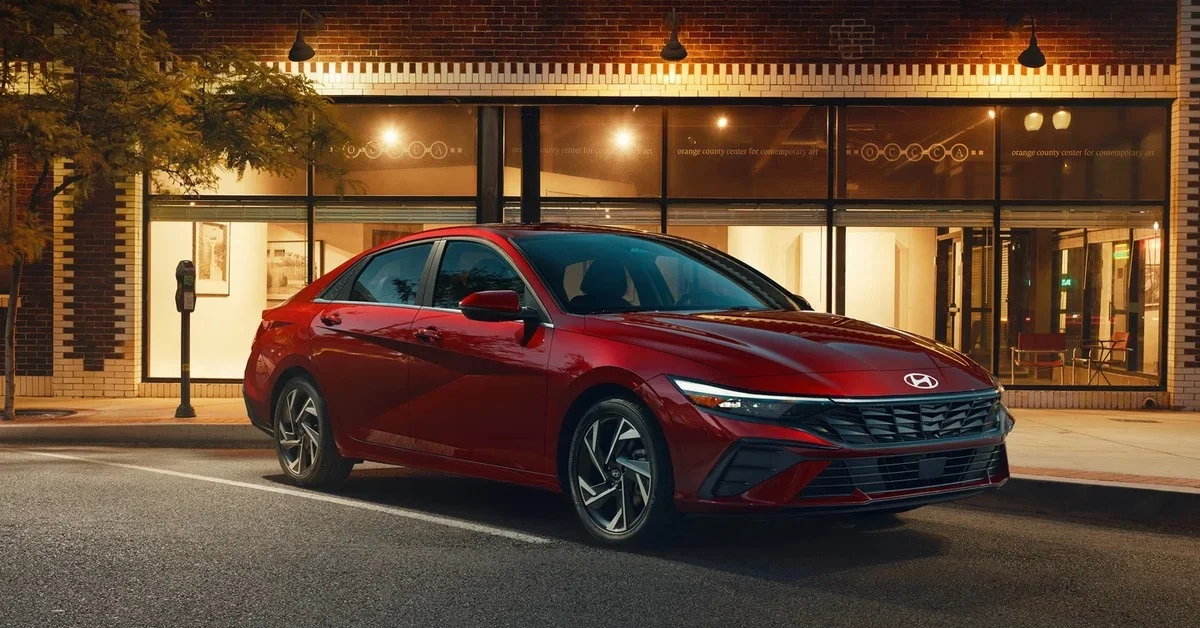
A morning commute around Huntsville can ask more of a vehicle than a simple trip across town. You may be merging onto I-565, dealing with stop-and-go traffic near Research Park, driving to Redstone Arsenal, or adding school and grocery runs to the route home. A Hyundai Elantra commuter car makes sense for drivers who want an efficient, easy-to-manage sedan without settling for a sparse cabin or dated technology.
The Elantra is not the right answer for every household. Families who regularly need three rows, extra cargo capacity, or higher ground clearance may be better served by a Hyundai SUV. But for a solo commuter, a couple, a first-time buyer, or a household that needs a dependable second vehicle, the Elantra brings together many of the qualities that matter most on daily drives: manageable size, useful safety features, modern connectivity, and multiple powertrain choices.
Why the Hyundai Elantra Works as a Commuter Car
A good commuter vehicle should reduce the friction of everyday driving. That starts before the engine is even on. The Elantra's sedan footprint is easy to place in a parking deck, a crowded office lot, or a tight space at home. Its low step-in height can also be convenient when you are getting in and out several times a day.
Once on the road, the Elantra's compact-sedan design helps it feel composed and approachable. It is easier to maneuver than a larger crossover, yet it provides substantially more comfort and passenger room than many drivers expect from a compact car. The front seating area is designed around daily usability, with controls and displays positioned to keep common functions within reach.
For North Alabama drivers, efficiency is often a practical consideration rather than a talking point. A shorter commute may involve frequent starts, traffic lights, and idling. A longer commute may mean highway miles day after day. The Elantra lineup gives shoppers options, including conventional gas models and an available hybrid model, so you can choose based on how and where you drive. The best fit depends on your route, your driving habits, and whether maximizing fuel economy is a priority.
Comfort matters after mile 20
A commuter car does not need luxury-car proportions to feel comfortable. It does need supportive seating, sensible storage, effective climate control, and a ride that does not leave you worn out after a long day. The Elantra focuses on those everyday details.
The cabin also gives the car an advantage over older used sedans that may lack the features many drivers now rely on. Depending on the model and equipment, shoppers may find conveniences such as smartphone integration, digital displays, available wireless device charging, and upgraded audio. Those are not necessities for getting to work, but they can make a repetitive drive more pleasant and help keep the cabin organized.
Rear-seat room is another point worth considering. If you occasionally carry coworkers, teenagers, or visiting family, the Elantra is more useful than a commuter car that treats the back seat as an afterthought. Its trunk adds flexibility for work bags, gym gear, groceries, and weekend luggage. It will not replace the cargo area of a Tucson or Santa Fe, but it covers the routine needs of many one- and two-person households well.
Hyundai Elantra Commuter Car Features That Build Confidence
The commute is where driver-assistance technology can earn its keep. Modern Elantra models offer Hyundai SmartSense safety and driver-assistance features, with availability varying by trim level and model year. These systems are intended to support attentive driving, not replace it, but they can provide an extra measure of awareness during busy traffic and long highway stretches.
Features may include Forward Collision-Avoidance Assist, Lane Keeping Assist, Lane Following Assist, Driver Attention Warning, and blind-spot safety features. For a driver who encounters changing traffic patterns around Huntsville, these tools can be genuinely helpful. The key is understanding what is included on the vehicle you are considering instead of assuming every feature comes standard on every Elantra.
That same rule applies to convenience technology. A base model may be an excellent choice for a value-focused buyer who wants the fundamentals, while a higher trim may make sense for someone who spends an hour or more behind the wheel each day and values additional comfort or connectivity. There is no universally correct trim. The right Elantra is the one that fits your commute and your financing plan without adding features you will not use.
Gas, hybrid, or performance-oriented?
The standard gas-powered Elantra is a natural starting point for many commuters because it balances familiar ownership with efficient day-to-day transportation. The Elantra Hybrid deserves a closer look if your route includes plenty of mileage and you want to reduce fuel stops. It may be especially appealing to drivers with consistent work schedules and predictable routes.
There are also sportier Elantra variants for shoppers who want more engagement from their daily drive. Those models can be a better match for an enthusiast who values responsive performance, but they are not automatically the best commuter choice for everyone. Ride feel, tire preferences, fuel use, and insurance considerations can differ. A test drive on roads similar to your actual commute is more revealing than a quick loop around the dealership.
New or Used Elantra: How to Make the Call
Choosing between a new and used Hyundai Elantra often comes down to your preferred balance of current technology, warranty coverage, vehicle history, and monthly payment goals. A new Elantra may appeal to drivers who want the latest design and available features, along with the confidence of starting with a vehicle that has no prior ownership history.
A used Elantra can be a smart route for shoppers focused on value, especially when they know which features matter most. A recent model year may provide many of the same core commuting benefits, while an older vehicle may offer a simpler ownership experience at the cost of newer technology or updated driver-assistance systems. Condition, maintenance history, mileage, and trim level all matter more than the badge on the trunk alone.
Before deciding, think beyond the purchase itself. Ask how long you expect to keep the vehicle, how many miles you drive in a year, whether you need room for a growing family, and what service support looks like near home and work. Factory-trained technicians and routine maintenance access can help make ownership easier over the long term, particularly for a vehicle that will handle daily duty.
Questions to Ask During an Elantra Test Drive
A test drive should answer more than whether the car feels good for ten minutes. Set the seat and mirrors as you would for your morning drive. Connect your phone if possible, try the climate controls, check sightlines at intersections, and pay attention to road noise at different speeds. If you carry equipment for work or regularly load groceries, open the trunk and confirm that it suits your real routine.
It also helps to ask about the exact vehicle's equipment, maintenance needs, available protection options, and financing paths. Redstone Arsenal personnel and other North Alabama commuters may have unique schedules, mileage patterns, or documentation needs, so a straightforward conversation can save time later. Online shopping and pre-approval tools can help you narrow options before you visit, while an in-person drive confirms whether the Elantra feels right.
The best commuter car is the one you will be comfortable driving on an ordinary Tuesday, not just the one that looks good on the lot. If the Hyundai Elantra fits your route, your passengers, and your daily budget, schedule a test drive and give it the kind of real-world evaluation your commute deserves.
Frequently Asked Questions
Is the Elantra Hybrid worth it for a Huntsville commute?
It can be, especially if your drive includes stop and go traffic on Memorial Parkway, Research Park Boulevard, or around Redstone Arsenal, where hybrids recover energy while slowing. Compare the official fuel economy estimates for each version with your annual mileage and the price difference. A test drive on your actual route helps you judge the feel.
How does the Elantra handle wet roads and occasional ice in North Alabama?
The Elantra is front-wheel drive, which handles rain well with good tires and sensible speeds. On the rare icy morning, tires and careful driving matter more than drivetrain. Keep tread depth healthy, slow down on bridges and overpasses along I-565, and give driver-assistance systems room to work. Those systems support you but cannot overcome ice.
Can a first-time buyer finance a new Elantra at Bentley Hyundai?
Bentley Hyundai has a first-time buyer program page and an online financing application for shoppers building credit. Approval and terms depend on the lender's review of income, credit history, and down payment. Bring proof of income and residence, and ask the finance team to explain the full loan terms before you sign.
Is the Elantra a good fit for a car-sharing household in Madison?
For many households, yes. The Elantra's size makes it easy to park and drive, and adjustable seats and phone connectivity work well when more than one driver uses the car. If someone in the household regularly carries several passengers or bulky gear, compare the Elantra with a compact SUV like the Kona or Tucson.