


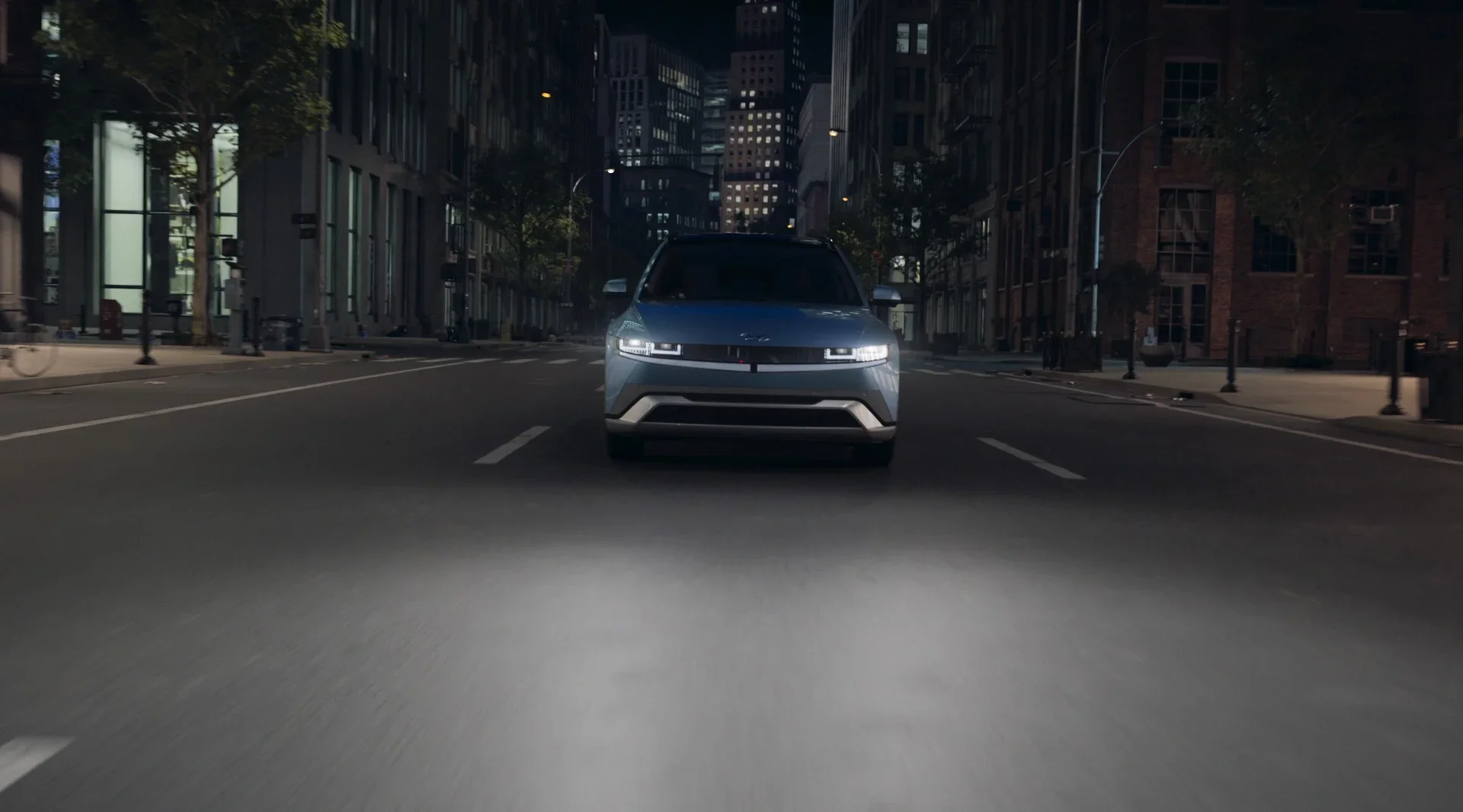
A quick stop can add meaningful range to an IONIQ 5, while an overnight charge at home can start the day with a full battery. That flexibility is a major reason EV shoppers ask about Hyundai IONIQ 5 charging time before they schedule a test drive. The useful answer is not one number. It depends on the battery, the charger, the weather, and how much charge is already in the vehicle.
For most North Alabama drivers, charging becomes routine once they understand which type of charging fits each part of their week. Home charging handles daily driving. Public fast charging supports longer trips. Knowing the difference helps you choose an EV with confidence instead of planning every mile around a charging stop.
Hyundai IONIQ 5 Charging Time by Charger Type
The IONIQ 5 is designed to charge at home and on the road, but each charging source works at a very different pace. Exact results vary by model year, battery configuration, and equipment, so think of the following as practical planning estimates rather than guarantees.
Level 1 charging: a standard household outlet
Level 1 uses a regular 120-volt outlet. It is the slowest option, usually adding only a few miles of driving range per hour. Charging a largely depleted IONIQ 5 battery this way can take more than two days.
That sounds limiting, but Level 1 charging can still be useful. It works well for drivers with short daily commutes, as a temporary solution before a home charger is installed, or as a backup option when traveling. For a household that drives 20 or 30 miles most days, plugging in overnight may replace much of that use. For higher-mileage commuters, it is unlikely to be the most convenient long-term setup.
Level 2 charging: the everyday home solution
Level 2 charging uses a 240-volt circuit, similar to the electrical service used by many larger home appliances. With a properly installed Level 2 charger, many IONIQ 5 configurations can charge from a low state of charge to full in roughly seven to eight hours.
This is why Level 2 is the preferred option for many EV owners. Plug in after dinner, let the vehicle charge overnight, and leave with the range you need the next morning. You do not need to wait for the battery to reach empty before charging, either. EV drivers commonly recharge as needed and set a schedule that takes advantage of off-peak utility hours when available.
Before installation, have a qualified electrician review your home’s electrical panel, available capacity, parking layout, and charger location. A good installation is about more than speed. It should be safe, convenient in all weather, and easy to use every day.
DC fast charging: built for road trips
DC fast charging is the quickest way to replenish an IONIQ 5 away from home. On a compatible high-output DC fast charger, certain IONIQ 5 models can charge from 10% to 80% in approximately 20 minutes under favorable conditions. Earlier model years were rated at about 18 minutes under similar conditions, while real-world sessions can take longer.
The IONIQ 5’s 800-volt electrical architecture is a key advantage here. It is engineered to accept very fast charging when the station, battery temperature, and charger output all line up. For a family traveling from Huntsville toward the Gulf Coast, Nashville, or another regional destination, that can mean a recharge stop that fits naturally with a restroom break or meal.
Fast charging is not always the fastest possible number shown on the charger. The vehicle may charge rapidly at first and then slow as the battery fills. That is normal battery management, not a problem with the vehicle.
Why IONIQ 5 Charging Time Can Change
A charging estimate is useful for planning, but it is not a stopwatch. Several factors affect the time displayed on the vehicle or charging station.
The biggest is the battery’s current state of charge. Adding power from 20% to 60% is generally quicker than charging from 80% to 100%. That is why many road-trip charging plans focus on a 10% to 80% window instead of waiting for a full battery at every stop.
Charger capability matters just as much. A 350-kW DC fast charger may support the IONIQ 5’s quickest charging performance, but the vehicle will only receive the power it can use at that moment. A lower-output DC charger can still be a helpful stop, but it may take longer. Public chargers can also be shared, unavailable, or affected by local conditions, so it is smart to have a backup station in mind on a longer drive.
Temperature is another consideration in North Alabama. Summer heat and winter cold can influence battery performance and charging speed. The IONIQ 5 can manage the battery temperature to support efficient operation, but a cold battery may need time to warm before it can accept its quickest DC charging rate. When using the vehicle’s navigation to route to a compatible fast charger, battery preconditioning may be available on applicable models and settings to prepare the battery before arrival.
Finally, your driving habits shape how often you need to charge. A daily commute from Madison to Redstone Arsenal may require only occasional home charging. A longer run to Decatur, Athens, or beyond will use more energy, particularly when carrying passengers, traveling at highway speeds, using climate control heavily, or towing where equipped and permitted.
A Better Way to Plan Home Charging
New EV owners sometimes assume they need to charge to 100% every night. Usually, they do not. The right routine starts with your actual mileage, not the maximum range shown on a spec sheet.
If you drive 40 miles a day and have Level 2 charging at home, a few hours may replace that energy easily. You can set a charging limit that fits your needs, then reserve a higher charge level for a road trip or a day with more driving. Following the vehicle’s charging recommendations helps balance convenience and long-term battery care.
If you rent, live in an apartment, or cannot install a charger, public charging access deserves extra attention before you buy. Consider the chargers near your home, workplace, and regular destinations. Ask whether charging is available while you are at work or shopping. An EV can still be a great fit without a garage charger, but your routine needs to be realistic.
What to Expect on a Longer Drive
For longer trips, the goal is not to find the single fastest charger and hope for the best. It is to plan stops around the route, your battery level, and the time you already expect to spend taking breaks. The IONIQ 5’s navigation and compatible charging apps can help identify available stations and estimate arrival charge.
Start with more range than you think you need when traveling into unfamiliar areas. Weather, elevation, traffic, and a full cabin can affect energy use. Avoid arriving at a charger with almost no battery remaining, especially if there are limited alternatives nearby. A modest buffer gives you more options if a station is busy or out of service.
It also helps to understand connector compatibility for the specific IONIQ 5 you are considering. Charging hardware and access options can differ by model year. A knowledgeable Hyundai product specialist can walk you through the ports, adapters, available charging networks, and the setup that makes sense for your driving habits.
Is the IONIQ 5 a Good Fit for Your Routine?
The IONIQ 5 makes the most sense for shoppers who can charge regularly at home, at work, or near their normal routine. Its quick DC fast-charging capability adds confidence for weekend travel, while its comfortable, spacious design makes it easy to use as an everyday SUV.
The trade-off is simple: the best ownership experience comes from a little preparation. Confirm your home charging plan, check public chargers on routes you use often, and choose a battery and trim level that align with your daily miles. Bentley Hyundai can help you compare IONIQ 5 configurations, explain charging equipment, and arrange a test drive around Huntsville so you can see how EV ownership fits your life.
The right charging routine should feel ordinary after the first week: plug in when it is convenient, wake up ready to go, and let fast charging handle the miles that take you farther from home.
Frequently Asked Questions
How long does an IONIQ 5 take on a public Level 2 charger in Huntsville?
A public Level 2 charger works at roughly the same pace as a home Level 2 unit, so a large top-up takes several hours rather than minutes. That makes it a good fit for charging while you work, shop or sit through a long appointment. For a quick stop on a road trip, look for a DC fast charger instead.
Does hot weather slow IONIQ 5 charging?
It can. A very hot battery may limit fast-charging speed while the cooling system protects it, and heavy air conditioning uses energy while you drive. Parking in shade, leaving the car plugged in at home on hot days and following the vehicle's charging guidance all help. In most North Alabama summers the effect is noticeable mainly on long trips.
Can I charge an IONIQ 5 at a Tesla Supercharger?
It depends on the model year. Newer IONIQ 5 models use the North American Charging Standard port, while earlier ones use a CCS1 port and need a compatible adapter. The station must also be open to Hyundai vehicles. Check the charging app before you go, and ask Bentley Hyundai which connector applies to the IONIQ 5 you are considering.
Does public fast charging cost more than charging at home?
In most cases, yes. DC fast charging usually costs more per unit of energy than residential electricity, and some stations add session or idle fees. That is why most owners do the bulk of their charging at home and save fast charging for road trips. Check your utility's residential rates and any time-of-use plans to see what home charging costs you.