


A compact SUV has to handle more than the commute. For many North Alabama households, it needs room for school bags and groceries, confidence on a rainy drive, comfortable seating for adults in back, and fuel costs that stay manageable. In a Hyundai Tucson vs Honda CR-V comparison, both are smart, well-established choices. The better fit comes down to how you use your SUV, what features matter most, and how long you plan to keep it.
Hyundai Tucson vs Honda CR-V at a Glance
The Hyundai Tucson and Honda CR-V are two-row compact SUVs with available all-wheel drive, strong safety technology, flexible cargo areas, and hybrid options. Neither is a bad choice. Both are easy to live with, and both can work well for a first-time buyer, a growing family, or a professional who wants more versatility than a sedan provides.
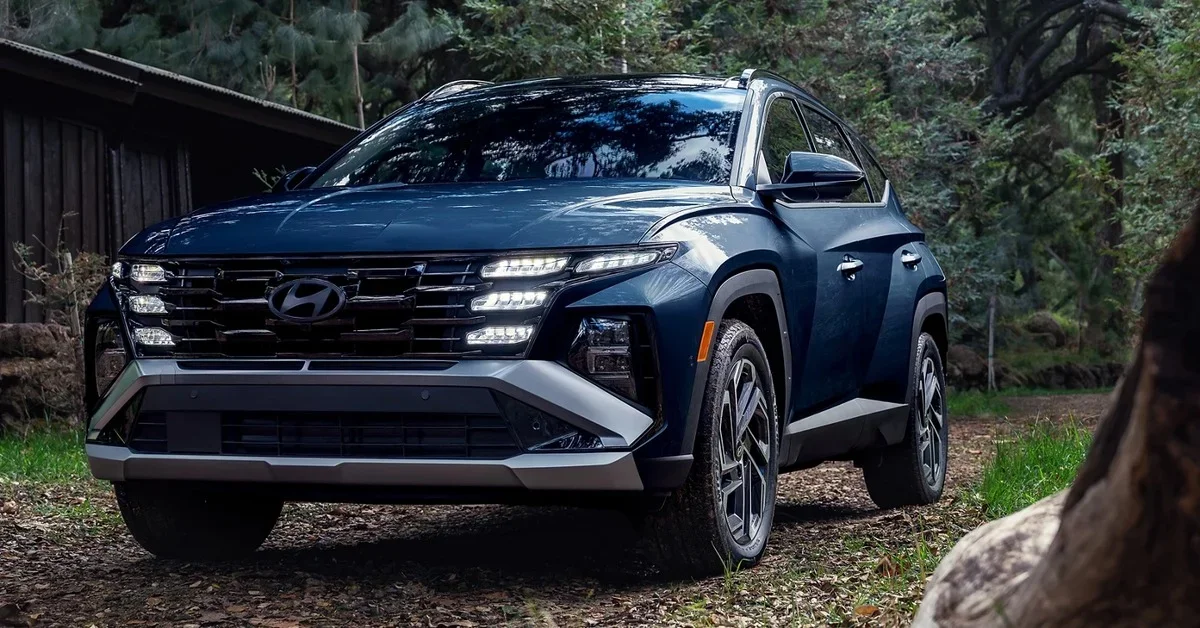
The Tucson tends to stand out with expressive exterior styling, a technology-forward cabin, a broad powertrain lineup, and Hyundai's generous warranty coverage. The CR-V appeals to buyers who prefer a familiar design, a polished road feel, and Honda's long-earned reputation for practical, durable transportation.
A direct trim-to-trim comparison matters more than comparing base prices alone. Available equipment, drivetrain, hybrid status, and local incentives can all change the value equation.
Interior Space and Everyday Use
Both SUVs make excellent use of their compact footprints. They offer roomy front seats, adult-friendly rear seating, and cargo space near the top of this class. A family of four should find either one comfortable for regular errands, weekend travel, and carpools.
The CR-V is known for its straightforward interior layout and airy passenger compartment. Its wide-opening doors and practical cargo area are especially appealing if you frequently load a stroller, sports equipment, or bulky shopping bags. Honda's controls generally feel conventional and familiar, which some drivers will appreciate right away.
The Tucson takes a more modern approach. Depending on trim, its clean dashboard design, available dual-screen layout, and thoughtful storage areas give the cabin a more upscale feel than many shoppers expect in this category. Rear-seat legroom is generous, and the rear bench makes it easy to carry older children, friends, or visiting relatives without making every trip feel cramped.
Cargo measurements can vary slightly by powertrain and model year, so check the specific vehicle you are considering. In real use, the difference between these SUVs is small enough that your own gear should decide it. Bring the car seat, golf bag, work equipment, or cooler to a test drive and see which cargo area works better for your routine.
Ride, Handling, and Alabama Commutes
The Honda CR-V has a composed, refined driving character. It feels predictable through town, stable on the highway, and easy to place in a parking lot. For drivers who simply want an SUV that feels calm and uncomplicated from the first mile, the CR-V makes a strong case.
The Hyundai Tucson is also comfortable and confidence-inspiring, with a ride that suits long commutes between Huntsville, Madison, Decatur, and surrounding communities. It is tuned more for comfort than aggressive cornering, which is what most compact SUV shoppers want. Visibility is good, steering is light enough for daily driving, and the cabin is designed to make routine trips less tiring.
Available all-wheel drive can be worthwhile for drivers who travel on wet rural roads, deal with gravel driveways, or take frequent weekend trips where weather is less predictable. It is not a substitute for careful driving or appropriate tires, but it can provide added traction when conditions call for it.
Gas, Hybrid, and Plug-In Hybrid Choices
Powertrain choice is one of the biggest reasons the Tucson deserves a close look. The Tucson lineup offers a conventional gas engine as well as hybrid and plug-in hybrid choices. That gives shoppers more ways to balance purchase price, fuel economy, performance, and charging access.
The CR-V is offered with gas and hybrid powertrains. Its hybrid version is a particularly sensible option for drivers who want improved efficiency without changing their fueling habits. If you have a longer commute or spend a lot of time in stop-and-go traffic, a hybrid can make a meaningful difference over years of ownership.
The Tucson Hybrid is also a strong choice for drivers who want better fuel economy with responsive everyday power. The Tucson Plug-in Hybrid adds another consideration: short local trips may be completed on electric power when the battery is charged, while the gas engine remains available for longer drives. That can be attractive for households with home charging and predictable daily mileage.
The trade-off is simple. A plug-in hybrid costs more upfront and only delivers its best value when it is charged regularly. If charging is inconvenient at home or work, a standard hybrid may be the more practical answer. If you do not need hybrid efficiency, the conventional gas Tucson may offer the right mix of capability and initial affordability.
Technology and Safety Features
Technology is a clear Tucson strength. Hyundai equips the Tucson with useful driver-assistance features and available conveniences that can make the vehicle feel current for years. Depending on trim, shoppers may find a large touchscreen display, digital instrumentation, smartphone connectivity, available wireless device charging, premium audio, surround-view camera technology, and driver-assistance features designed to support awareness on the road.
The CR-V also offers a solid set of infotainment and safety features, including the Honda Sensing suite of driver-assistance technology. Its setup will feel intuitive to drivers who prefer physical controls and a less dramatic dashboard design.
For either SUV, do not assume a feature is included simply because it appears in an online photo or a review of a higher trim. Compare the exact trim and vehicle window sticker. Features such as a power liftgate, heated and ventilated seats, premium audio, parking sensors, navigation, and all-wheel drive may be standard on some versions and optional or unavailable on others.
Safety technology is there to assist a focused driver, not replace one. Test the visibility, camera views, seating position, and control placement yourself. The right vehicle should feel natural before you have spent an hour adjusting to it.
Warranty and Long-Term Ownership
Warranty coverage can have a real impact on confidence and budgeting. Hyundai provides a 5-year/60,000-mile new vehicle limited warranty and a 10-year/100,000-mile powertrain limited warranty for original owners. Hyundai also includes hybrid component coverage that may be important when comparing electrified models. Terms, eligibility, and coverage details apply, so review the current warranty information for the vehicle you select.
Honda's standard warranty is shorter, with a 3-year/36,000-mile basic limited warranty and a 5-year/60,000-mile powertrain limited warranty. Honda has a strong ownership reputation, and many buyers value its history of dependable vehicles and broad familiarity among independent repair shops.
The practical question is whether you want more factory coverage during the years you expect to own the SUV. For a buyer planning to keep a vehicle for a long time, Hyundai's warranty can provide valuable reassurance. For a buyer who prioritizes Honda's driving feel or has a history with the brand, the CR-V may still be worth the difference.
Regular maintenance matters with either choice. Following the recommended service schedule, using qualified technicians, and addressing small concerns early are simple ways to protect your SUV's performance and resale value.
Which Compact SUV Is Right for You?
Choose the Hyundai Tucson if you want bold design, a more advanced-looking interior, extensive available technology, and the option to move from gas to hybrid or plug-in hybrid power. It is especially compelling for households that value warranty coverage and want flexibility as their driving needs change.
Choose the Honda CR-V if you prefer its familiar design, composed driving manners, and straightforward cabin layout. It remains a strong pick for shoppers who want a highly practical compact SUV with an efficient hybrid available.
Price the vehicles with comparable equipment before making a final decision. A lower starting MSRP does not always mean the lower real-world cost, and a higher trim may include features that would cost extra elsewhere. Consider your trade-in value, financing terms, expected mileage, insurance, fuel use, and the features you will use every day.
The best next step is a back-to-back drive. Sit in both rear seats, test the cargo area, pair your phone, and take each SUV on roads similar to your daily route. At Bentley Hyundai, our team can help you compare Tucson trims, powertrains, and payment options with the straightforward guidance you deserve. The right SUV is the one that makes your regular Monday morning feel easier, not just the one that looks best on the showroom floor.
Frequently Asked Questions
Which is better for Huntsville summers, the Tucson or the CR-V?
Both compact SUVs have effective climate control systems, and either can be a comfortable choice in North Alabama heat. Look for features that help in hot weather, such as ventilated front seats, remote start that can precool the cabin, and rear vents. Availability depends on the trim, so compare the exact window stickers before deciding.
Does the Tucson Plug-in Hybrid make sense for a Redstone Arsenal commute?
It can, if you can charge at home most nights and your daily round trip fits within much of its electric range. Then many weekday miles may use electricity, with the gas engine ready for longer drives to Birmingham or Nashville. If charging is not convenient, the Tucson Hybrid may be the simpler choice.
Can I test drive a Tucson at Bentley Hyundai and compare it with a CR-V I already drove?
Yes. Schedule a Tucson test drive at Bentley Hyundai and bring notes from your other drive, along with your car seats or regular cargo. Driving the same local roads, such as I-565 or Memorial Parkway, makes the comparison fair. Ask the team to show the trim differences and driver-assistance features on the vehicle you drive.
Does the Tucson's warranty transfer if I sell it later?
Part of it does. Hyundai's new vehicle limited warranty generally transfers to later owners for its remaining term, while the longer powertrain coverage is reduced for subsequent owners. Exact terms apply, so review Hyundai's current warranty information. Keeping service records helps a future buyer and supports trade-in value when you return to Bentley Hyundai.