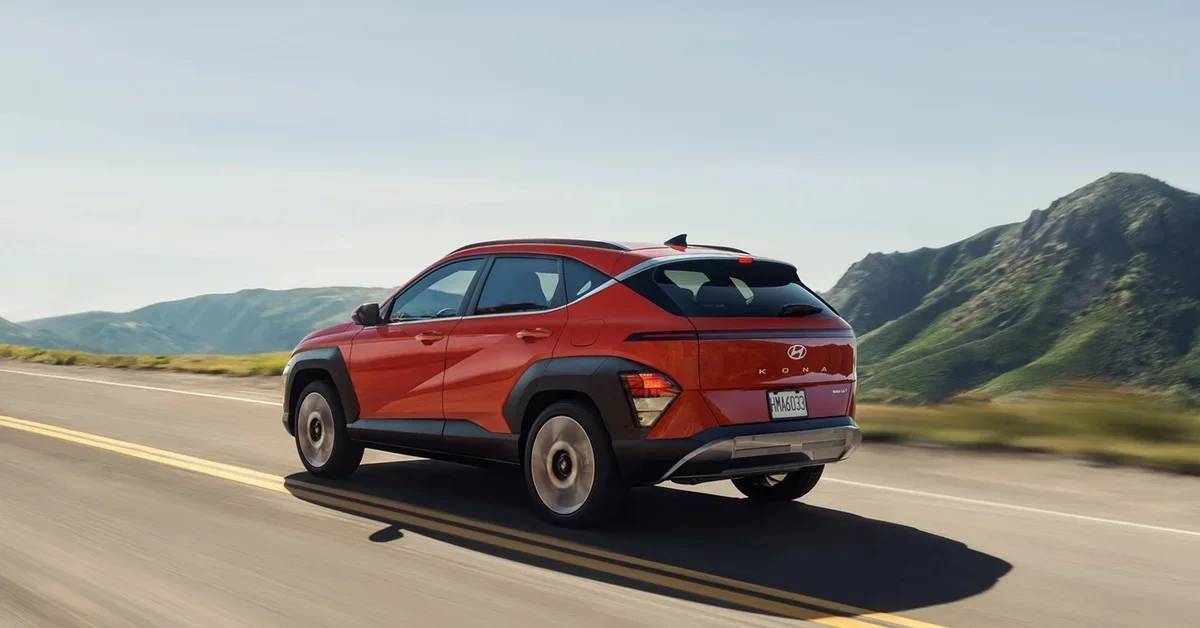



A three-row SUV has to handle more than school pickup. It may be the vehicle that carries kids, coworkers, camping gear, grocery runs, and luggage for a long weekend. In a Hyundai Santa Fe vs Toyota Highlander comparison, both SUVs bring family-friendly versatility, but they take noticeably different approaches to space, design, technology, and everyday value.
The right choice depends on how your family uses the third row, whether a hybrid is part of your plan, and which features will make every drive around Huntsville, Madison, or Redstone Arsenal easier. Here is where each SUV stands out.
Hyundai Santa Fe vs Toyota Highlander: The Big Difference
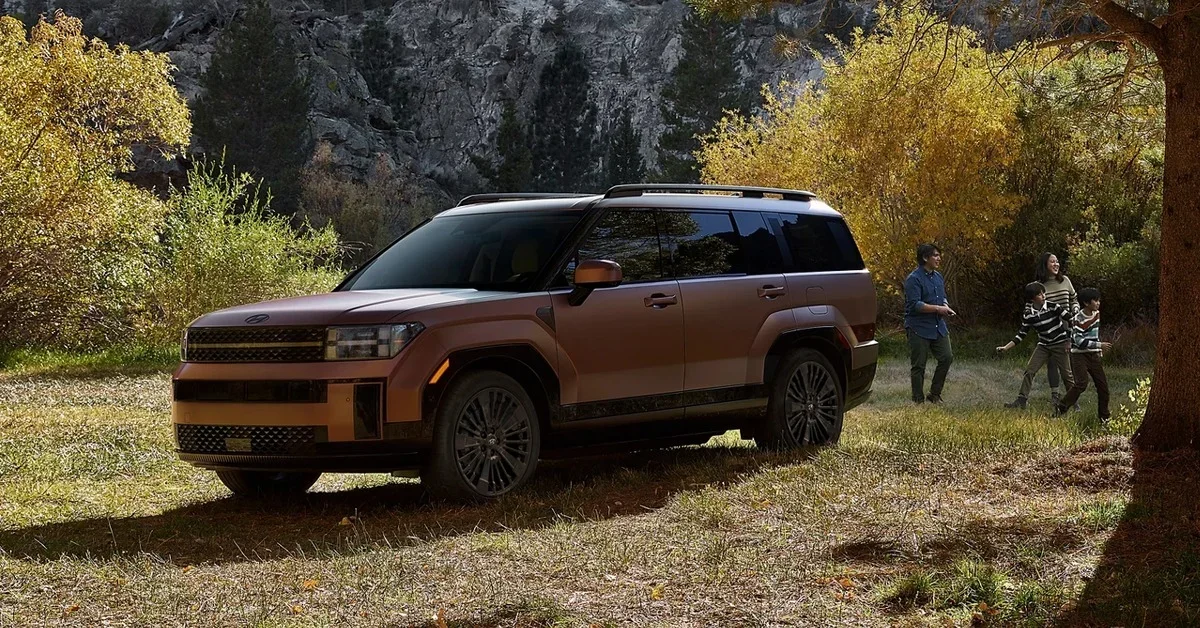
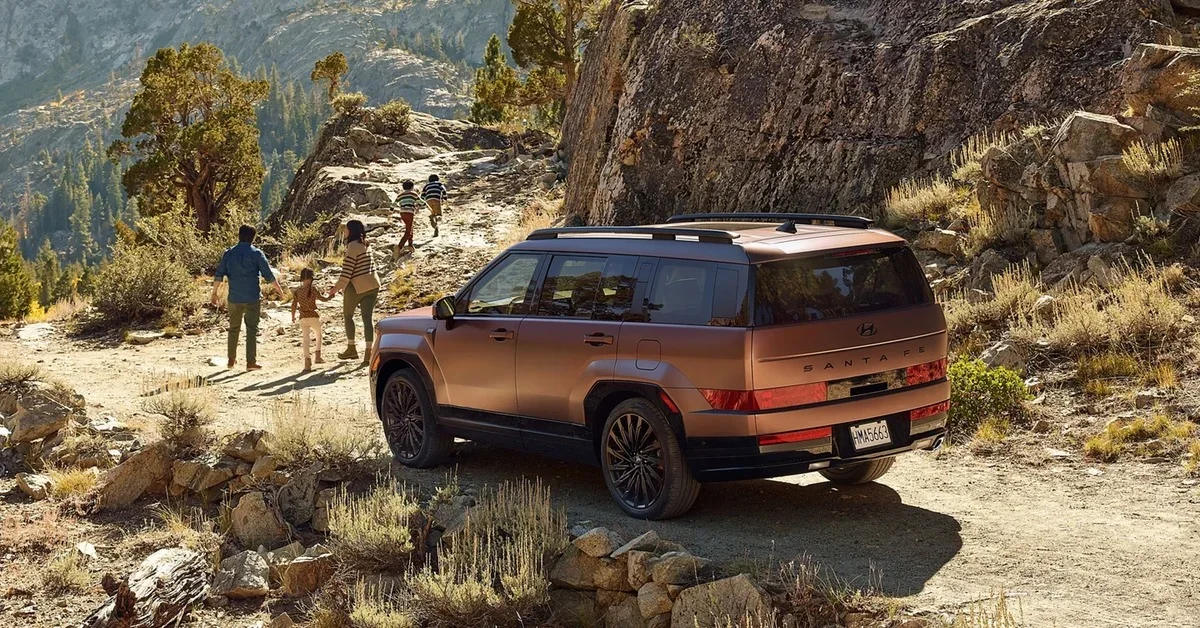
The Hyundai Santa Fe is the more recently reimagined of these two SUVs. Its squared-off profile, tall roofline, and wide rear opening give it a practical, outdoors-ready look. It feels designed around the reality that families carry bulky things, not just passengers. Standard three-row seating and a choice of second-row bench or captain's chairs let shoppers choose configurations that prioritize either an extra passenger or more second-row comfort.
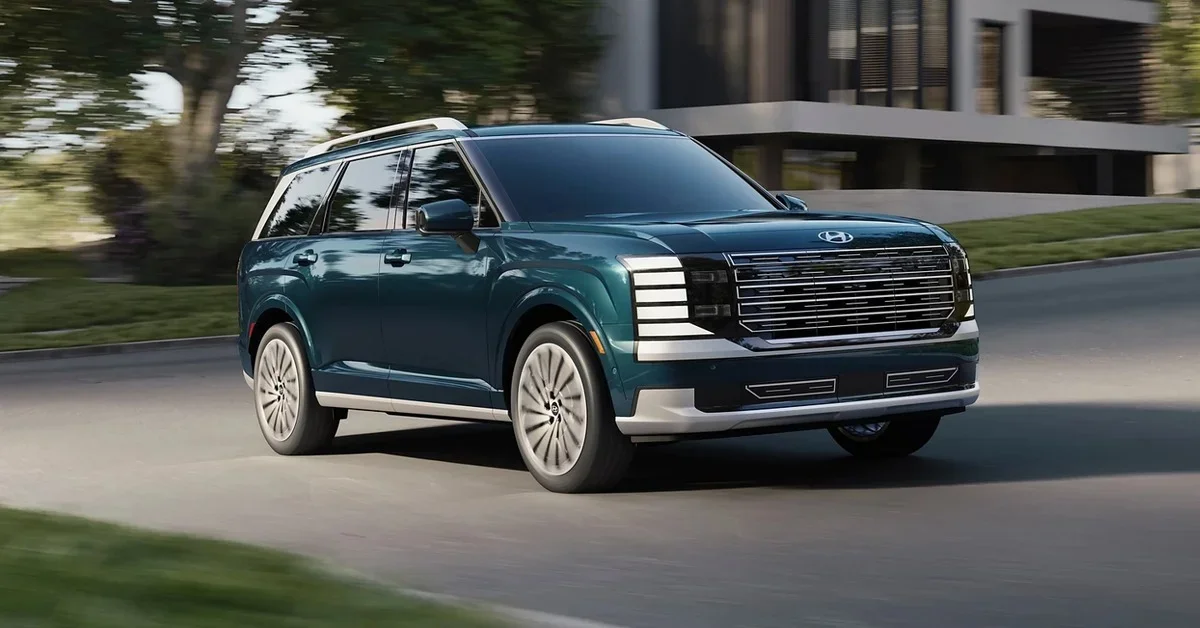
The Toyota Highlander has a more traditional midsize SUV shape and a long reputation for dependability. It is a familiar choice for shoppers who want a polished family crossover with available hybrid efficiency. However, its cabin layout and third-row access can feel more conventional, especially for buyers comparing newer SUV designs side by side.
Neither approach is automatically better. If you prefer an established, understated SUV and expect the third row to be occasional-use seating, the Highlander may fit well. If you want a more open-feeling cabin and a vehicle that makes loading people and gear simpler, the Santa Fe deserves close attention.
Cabin Space That Works for Real Families
Santa Fe favors usable room and flexibility
The Santa Fe's boxier shape is more than a styling choice. It helps create a cabin that feels airy and practical, with a tall roofline that benefits rear-seat passengers. Depending on configuration, shoppers can choose a second-row bench or available captain's chairs. Captain's chairs can be especially useful for families who want an easier path to the third row and more separation between passengers on longer drives.
The third row is still best understood as occasional seating for many adults in either model. That said, the Santa Fe's design makes it a strong candidate for families who will use every seat regularly for children, teens, carpools, or visiting relatives. When the third row is folded, the cargo area is shaped to accommodate the everyday items that tend to pile up quickly.
Highlander is comfortable, but third-row needs matter
The Highlander provides a well-finished cabin with three-row seating and thoughtful storage areas. Its second row is comfortable for daily family use, and it remains a sensible vehicle for a household that needs more room than a compact SUV can offer.
Still, shoppers should test the third row instead of assuming all three-row SUVs feel the same. If the back row will mainly serve younger children or occasional guests, the Highlander can be a good match. If you expect frequent full-vehicle trips, bring the people who will actually ride there to your test drive. That one step can make the decision much clearer.
Powertrains, Hybrid Choices, and Driving Feel
Both SUVs offer gas and hybrid options, which matters for North Alabama drivers balancing commuting, family travel, and weekend miles. Model-year availability and specifications can vary, so confirm the equipment on the specific vehicle you are considering.
The Santa Fe offers a responsive turbocharged gas powertrain along with an available hybrid. The gas model is a natural fit for drivers who prioritize stronger passing response, towing confidence, or a more assertive feel when merging onto the highway. The Santa Fe Hybrid is worth a look for shoppers who want improved efficiency without changing their routine around charging.
The current Highlander also offers gas and hybrid powertrains, although Toyota has announced an all-electric next-generation Highlander. Its hybrid option has been a major part of the Highlander's appeal, particularly for commuters and families focused on reducing fuel stops. A Highlander Hybrid can make sense if efficiency is your top priority and you are comfortable with its driving character.
The best way to compare them is not by a single specification. Think about your own driving. A commuter traveling from Athens or Decatur to Huntsville may place hybrid efficiency near the top of the list. A family pulling a small trailer, hauling sports equipment, or heading toward the lake may care more about capability and cargo access. Ask for a test drive route that includes neighborhood streets, highway speeds, and a few turns into a parking lot. That is where the differences become real.
Technology and Convenience
Hyundai has made technology a central part of the Santa Fe experience. Available displays, smartphone connectivity, driver-assistance features, and convenient controls are designed to make a busy vehicle easier to live with. The Santa Fe's interior also has a modern, purposeful layout that gives many controls a straightforward home instead of burying routine functions in menus.
Available Hyundai SmartSense features can support awareness on crowded roads and during long drives. These features are assistance systems, not a replacement for an attentive driver, but they can add welcome confidence when traffic gets busy or a trip runs late.
The Highlander offers the connectivity and driver-assistance technology most family SUV shoppers expect, with Toyota's established approach to control layouts and safety features. It is well-equipped in the ways that matter, though some buyers may prefer the Santa Fe's newer cabin presentation and available convenience features.
For either model, focus on the features you will use every week. If your family shares the vehicle, check phone pairing, rear-seat charging access, visibility, cupholders, climate controls, and how easily a child seat fits. Those details often matter more after six months of ownership than a feature you only use once.
Capability, Confidence, and Ownership
An SUV should feel prepared for more than perfect weather. Both the Santa Fe and Highlander are available with all-wheel-drive capability on select configurations, a useful consideration for wet roads, gravel driveways, and trips beyond the city. Towing capability also varies by powertrain and equipment, so shoppers with a boat, utility trailer, or small camper should verify the vehicle's ratings before making a decision.
The Santa Fe stands apart with trims that lean into a more rugged appearance and practical outdoor attitude. It is a compelling option for buyers who want their family SUV to look ready for weekend plans without moving up to a larger vehicle.
The Highlander brings a strong reputation and a composed driving experience. For some shoppers, familiarity with the Toyota brand is a meaningful point of confidence. But long-term satisfaction is not just about reputation. It also comes from selecting the right size, features, powertrain, and service support for your household.
Hyundai ownership adds the reassurance of Hyundai's warranty coverage and access to factory-trained service. Before deciding, compare the warranty terms and maintenance needs for the exact model year and powertrain you are considering. A knowledgeable dealership team should be able to walk through those details clearly, without pressure.
Which SUV Fits Your Household?
Choose the Hyundai Santa Fe if you want a fresh, spacious three-row design, flexible seating choices, distinctive styling, and a feature-rich cabin. It is particularly appealing for shoppers who regularly carry passengers and gear, want a hybrid option, or value a vehicle that feels intentionally designed around modern family life.
Choose the Toyota Highlander if you prefer its established formula, have confidence in its familiar ownership reputation, and expect the third row to be used less often. Its hybrid version remains a reasonable choice for drivers focused heavily on fuel efficiency.
A side-by-side comparison is helpful, but your daily routine should make the final call. Bring your car seats, measure the gear you carry, and sit in every row before you decide. When you are ready, search Santa Fe inventory, get pre-approved online, or schedule a test drive with Bentley Hyundai so you can see which SUV feels right from the driver's seat.
Frequently Asked Questions
Can a Santa Fe tow a boat to Wheeler Lake?
Many Santa Fe models can tow a small boat when properly equipped, but the rating depends on the powertrain, drivetrain and equipment. Add up the boat, trailer, gear and passengers, then compare that with the owner's manual and door jamb label. Bring your trailer details to Bentley Hyundai so the team can point you to a suitable configuration.
What maintenance does a Santa Fe Hybrid need?
A Santa Fe Hybrid follows a schedule much like the gas model, with oil changes, filters, tire rotations and brake inspections, plus checks of the hybrid system. It does not need to be plugged in. Follow Hyundai's maintenance schedule for your model, and ask Bentley Hyundai whether complimentary scheduled maintenance applies to your purchase.
Does a used Santa Fe keep Hyundai's warranty?
Some coverage can carry over to later owners, but the longest powertrain coverage applies to the original owner, and later owners receive shorter coverage. A Hyundai Certified Pre-Owned Santa Fe adds inspection and warranty benefits that help close that gap. Ask Bentley Hyundai to confirm the remaining coverage on any specific used Santa Fe before you buy.
Should I compare the Santa Fe with the Tucson before deciding?
If you rarely use a third row, yes. The Tucson offers a smaller footprint that is easier to park around Huntsville and Madison, while the Santa Fe adds standard third-row seating and a taller cargo area. Bentley Hyundai can line up both models so you can load your own gear and see which size fits your routine.