



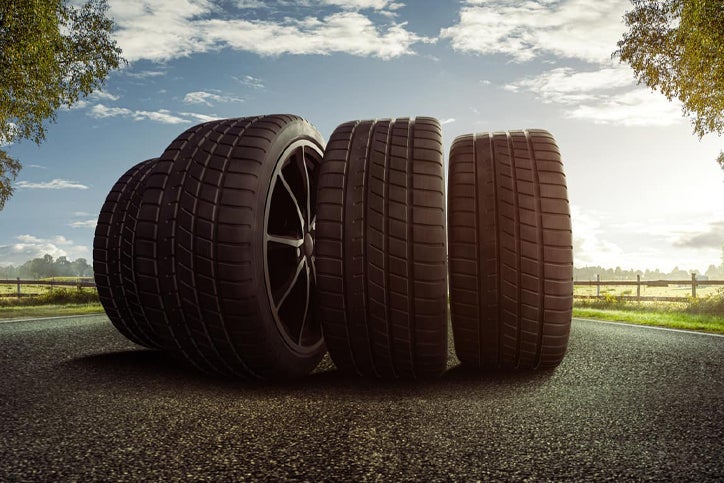
Summer Tire Care: How to Keep Your Tires Safe and Road-Ready All Season
When the summer sun is out and temperatures climb, it's time to get your vehicle ready for the heat. Most drivers think about engine maintenance and air conditioning this time of year, but it's just as important not to overlook the only part of your car that actually touches the road: your tires. Good summer tire care keeps you safe and gives you a smoother, more comfortable ride.Hot pavement, long road trips and heavier loads all put extra stress on your tires. Here are some key tips to keep them in top shape all summer.
1. Check Your Tire Pressure Often
Heat has a direct effect on tire pressure. For every 10°F rise in air temperature, tire pressure goes up by about 1 PSI. On a summer afternoon, the road surface can be much hotter than the air, which adds even more pressure and stress.Both overinflated and underinflated tires cause problems:
- Underinflated tires flex more, build up heat and wear faster on the outer edges. They are also the leading cause of tire blowouts, which are most common in hot weather.
- Overinflated tires touch less of the road, so you get less grip, longer stopping distances and a harsher ride.
- Check pressure at least once a month and before any long trip.
- Check when the tires are "cold," meaning in the morning or after the car has sat for at least three hours.
- Use the recommended PSI on the sticker inside the driver's door jamb or in your owner's manual. Don't use the maximum pressure printed on the tire sidewall.
- Don't let air out of hot tires. The pressure will drop back to normal as they cool.
2. Inspect Your Tread Depth
Tread is what gives your tires grip, especially during sudden summer thunderstorms. Worn tread raises your risk of hydroplaning on wet roads.- The penny test: Put a penny into the tread groove with Lincoln's head facing down. If you can see the top of his head, your tread is at or below 2/32", the legal minimum in most states, and it's time for new tires
- The quarter test: Try the same thing with a quarter. If you can see the top of Washington's head, you're below 4/32", which is the point where wet-road grip starts to drop noticeably. Start shopping for replacements.
- Tread wear indicators: Most tires have small raised bars molded into the grooves. When the tread wears down flush with these bars, the tire needs to be replaced.
3. Look for Signs of Damage
Heat speeds up the wear on rubber and makes existing damage worse. Take a few minutes to walk around your vehicle and look for:- Cracks in the sidewall or between the tread blocks
- Bulges or blisters, which can mean internal damage and a high risk of blowout
- Nails, screws or other objects stuck in the tread
- Uneven wear, which can point to alignment, suspension or inflation problems
4. Rotate and Balance Your Tires
Regular rotation helps your tires wear evenly, which makes them last longer and keeps handling predictable. Most manufacturers recommend rotating every 5,000 to 7,500 miles, and many drivers do it with every oil change. Early summer is a good time to schedule a rotation and balance before road-trip season starts.5. Get an Alignment Check
Potholes left over from winter can knock your wheels out of alignment. Watch for these signs:- Your vehicle pulls to one side
- Your steering wheel is off-center when driving straight
- The inside or outside edges of your tires are wearing unevenly
6. Don't Overload Your Vehicle
Summer usually means packed trunks, roof carriers, bikes and campers. Every tire has a maximum load rating, and going over it causes extra heat and a higher chance of tire failure. Look up your vehicle's payload and towing limits on the door jamb sticker or in your owner's manual. If you're carrying a full load or towing, you may need to adjust your tire pressure to the recommended level for heavy loads.7. Don't Forget the Spare
Your spare is easy to forget until you need it. Before a long drive, check that it's properly inflated and in good condition. Also make sure your jack and lug wrench are in the vehicle and working.8. Choose the Right Tires for the Season
If you still have winter tires on, it's time to switch. Winter tires use a softer rubber that wears out quickly on hot pavement, and they don't brake or corner as well in warm weather. A good rule of thumb is to switch once temperatures stay above 45°F.For drivers who care about performance, dedicated summer tires give you better grip, sharper handling and shorter stopping distances on both dry and wet roads. All-season tires are a solid, practical choice for most everyday drivers.
9. Protect Your Tires from the Sun
UV rays and heat break down rubber over time. When you can, park in the shade or a garage. If a vehicle or trailer will sit for a long time, tire covers can help slow sidewall cracking. Also keep in mind that tires age even if they have plenty of tread left. Most manufacturers recommend replacing tires after six to ten years, no matter how much they've been driven.Frequently Asked Questions
How often should I check my tire pressure in the summer?At least once a month and before every road trip. Checking every two weeks is even better during heat waves.
Is it normal for tire pressure to rise in hot weather?
Yes. Pressure goes up about 1 PSI for every 10°F increase in temperature. Always set your pressure when the tires are cold.
When should I replace my tires?
Replace them when the tread reaches 2/32". For better safety in wet weather, consider replacing them at 4/32". You should also replace tires that show bulges or deep cracks, or that are more than six to ten years old.
Can I use winter tires in the summer?
It's not recommended. Winter tires wear out quickly in the heat and don't handle or brake as well on warm, dry roads.