
Blog

Used Cars Huntsville Alabama Buyers Can Trust

Used Cars Huntsville Alabama Buyers Can Trust

A vehicle has to work for your actual week, not just look good in a parking spot. When shopping for used cars Huntsville Alabama drivers can depend on, that means thinking beyond the price on the windshield. Your next vehicle may need to handle a Redstone Arsenal commute, school pickup, a trip to Decatur, weekend gear, or simply the daily miles that add up quickly across North Alabama.

The right used car brings confidence without stretching your budget. Finding it comes down to asking the right questions about condition, history, ownership costs, and financing before you make a decision.

What to Look for in Used Cars in Huntsville, Alabama

Start with the job the vehicle needs to do. A compact sedan can be a smart choice for a commuter who values fuel economy and easy parking. A midsize SUV may make more sense for a growing family that needs rear-seat room, cargo flexibility, and available all-wheel drive. If towing, tools, or outdoor equipment are part of the plan, a truck or larger SUV may be worth the added fuel and insurance costs.

There is no single best used vehicle for every household. A lower purchase price can be appealing, but a vehicle with very high mileage or overdue maintenance may require more attention later. On the other hand, a newer pre-owned model with modern safety technology, a documented service history, and remaining warranty coverage may justify a higher monthly payment.

As you compare vehicles, pay close attention to condition rather than relying only on model year or odometer reading. A well-maintained vehicle with 80,000 highway miles can be a better fit than one with fewer miles and inconsistent care. Ask about the vehicle history report, prior service, number of owners, accident information, recalls, and available inspection details. Clear answers help you make a decision based on facts.

Match the Vehicle to Your Budget, Not Just the Payment

A monthly payment matters, but it does not tell the whole story. The total cost of ownership includes the vehicle price, taxes and registration, insurance, fuel, routine maintenance, tires, and any interest on financing. Before shopping, decide how much you can comfortably put down and what payment works without putting pressure on the rest of your monthly budget.

It also helps to consider loan term carefully. Extending a loan can lower the monthly payment, but it may increase the total interest you pay. A shorter term usually means a higher payment but less interest over time. The best option depends on your cash flow, down payment, credit profile, and how long you expect to keep the vehicle.

Pre-approval can make the process more organized, especially for first-time buyers or shoppers comparing several vehicles. It gives you a clearer view of your buying range before you fall in love with a specific model. A dealership finance team can also explain available lending options and help identify a structure that fits your situation. Honest guidance should never feel like pressure.

Why Vehicle History and Inspection Matter

Every used vehicle has a story. The goal is to understand that story before you buy. A history report can reveal title information, reported accidents, prior ownership, and registration activity. It is useful, but it should be one part of the evaluation rather than the only one.

A thorough inspection adds another layer of reassurance. Look for a dealership that evaluates major systems, checks for open recalls, and prepares vehicles for sale with care. During your own walk-around, inspect the tires for even wear, look for mismatched paint or body-panel gaps, and test the lights, windows, climate controls, infotainment features, and seat adjustments.

Inside the cabin, pay attention to odors, excessive wear, and anything that does not operate as expected. Under the hood, you do not need to be a technician to notice obvious leaks, loose components, or signs that basic upkeep was neglected. If something raises a question, ask it. A respectful sales team should welcome the conversation and provide a clear answer.

Take a Test Drive That Tells You Something

A test drive should be more than a quick loop around the block. It is your chance to see whether a vehicle feels right in the conditions you face every day. Adjust the seat and mirrors, connect your phone if that matters to you, and make sure the rear seat or cargo area meets your needs.

Drive on city streets and, when possible, at highway speed. Listen for unusual noises when braking, accelerating, or turning. Notice how the transmission shifts, how the vehicle tracks in its lane, and whether the steering and brakes feel predictable. Check visibility from the driver's seat, particularly if you are comparing a sedan with an SUV or truck.

For families, bring the car seats or booster seats you use regularly. For commuters, consider road noise and seat comfort. For a shopper who needs cargo space, bring a measuring tape or a few items that represent your usual load. These small steps prevent surprises after you bring the vehicle home.

Consider Certified Pre-Owned for Added Reassurance

Certified pre-owned vehicles can be a strong middle ground between buying new and buying a traditional used vehicle. While requirements vary by manufacturer, Hyundai Certified Pre-Owned vehicles typically meet age and mileage standards, complete a detailed inspection, and include limited warranty coverage and other program benefits.

That extra confidence can be valuable for shoppers who want a late-model vehicle without the price of a new one. It may be especially appealing if advanced driver-assistance features, lower mileage, or warranty protection are high on your list. The trade-off is that certified vehicles often cost more than comparable non-certified options, so compare the coverage and condition against the difference in price.

At Bentley Hyundai, shoppers can compare used and Hyundai Certified Pre-Owned options in one place, making it easier to decide whether certification fits their priorities.

Use Your Trade-In as Part of the Plan

If you have a current vehicle, its trade-in value can reduce the amount you need to finance. Gather the title or payoff details, both keys if available, service records, and a realistic understanding of your vehicle's condition. Cleaning out the cabin and addressing simple items such as a burned-out bulb can also help present the vehicle well.

You do not have to trade in to buy used, and selling privately may bring a higher price in some situations. But a trade-in can save time and simplify the transaction, particularly when you still have a loan balance. Ask for a transparent appraisal and make sure you understand how the trade value, payoff amount, and purchase price work together.

Shop With a Long-Term Ownership Mindset

The best used-car purchase is not simply the one that gets you driving today. It is the one you can afford to own, maintain, and rely on over the coming years. Before signing, review the numbers, ask about service needs, confirm what is included, and make sure every question has been answered.

Once you choose a vehicle, keep its maintenance schedule close. Regular oil changes, tire rotations, brake inspections, and fluid checks are practical ways to protect your investment. A dependable vehicle starts with a thoughtful purchase, then stays dependable through consistent care.

Take your time, compare what matters, and schedule a test drive when a vehicle checks the right boxes. The right used car should make the road ahead feel more manageable from the first mile.

Frequently Asked Questions

How do I check a used car for open recalls?

Run the VIN through the federal recall lookup from NHTSA or the manufacturer's website before you buy. Recall repairs are performed free of charge by an authorized dealer for that brand, so an open recall is usually fixable. For a used Hyundai, Bentley Hyundai can check recall status and schedule any open repairs through its service department.

How can I spot flood damage on a used car in North Alabama?

Heavy storms can flood vehicles across the Southeast, so look closely. Check the vehicle history report for a flood or salvage title brand, sniff for musty odors, and look for silt or rust under the carpets, in the trunk and around seat rails. Fogging inside lights is another warning sign. Ask the dealer for inspection details before you buy.

Does Bentley Hyundai sell used vehicles from other brands?

Used inventory at Bentley Hyundai can include other makes along with pre-owned Hyundai models, and it changes often as vehicles are sold and traded in. Search the used inventory online by body style, price or features, then call ahead to confirm a vehicle is still available before you make the drive to Huntsville.

What kind of used car works best for a Redstone Arsenal commute?

Commuters often favor a comfortable, efficient sedan or a compact SUV with good fuel economy and modern driver assistance features. A used Elantra, Sonata or Tucson Hybrid can suit a daily Redstone Arsenal drive. Focus on condition, service history and seat comfort, and take a test drive on the roads you use every day.
Recommended Posts

How to Choose Hyundai Trim Levels for Your Life

How to Choose Hyundai Trim Levels for Your Life

A Hyundai trim is more than a badge on the liftgate. It determines the features you use every morning, the technology you rely on during a Huntsville commute, and whether your next vehicle feels like a smart fit years from now. Knowing how to choose Hyundai trim starts by separating true daily needs from features that look appealing on a comparison chart but may not matter once you are behind the wheel. Hyundai offers a broad range of choices across SUVs, sedans, hybrids, and EVs. That variety is a benefit, but it can make a Tucson, Santa Fe, Palisade, Kona, or IONIQ model feel more complicated to shop. The best approach is to begin with your lifestyle, then compare the trim-level differences that will genuinely improve it. Start With the Vehicle, Then Choose the Trim A trim level cannot make a compact SUV into a three-row family vehicle or turn a gas model into an EV. Before comparing equipment, make sure the vehicle itself matches how you drive. For example, the Kona can make sense for shoppers who want an easy-to-park SUV with a city-friendly footprint. The Tucson offers additional room for passengers and cargo without stepping into a larger class. Families who regularly use a second row or need a third row should look closely at the Santa Fe and Palisade. Hyundai hybrid and electric options add another decision: whether your driving routine, charging access, and preferred ownership experience fit an electrified powertrain. Once you have narrowed the model, the trim question becomes clearer. You are no longer choosing from every available feature. You are deciding which version of the vehicle supports your routine best. How to Choose Hyundai Trim by Your Daily Priorities Write down the few features you will notice every week. This keeps the process focused and helps prevent a common mistake: choosing the highest trim simply because it has the longest equipment list. For many North Alabama drivers, practical priorities include: All-wheel drive availability for preferred traction and confidence in changing weather Driver-assistance features for highway travel, school runs, and busy commuting routes Cargo flexibility for sports gear, home projects, or weekend travel Comfort items such as heated seats, a power liftgate, or upgraded upholstery Phone connectivity, navigation, charging options, and audio features that make time in the vehicle more enjoyable The right list is personal. A Redstone Arsenal commuter may put highway assistance and fuel efficiency at the top. A growing family may care more about third-row access, rear-seat comfort, and a hands-free liftgate. An EV-curious buyer may prioritize charging convenience, range expectations, and the availability of home charging. Give each must-have a higher priority than a nice-to-have. If a feature does not improve your commute, family routine, comfort, or confidence, it should not control your decision. Think Beyond the Test Drive Wow Factor Large displays, premium sound systems, panoramic roof designs, and upgraded wheels can make an immediate impression. There is nothing wrong with wanting those features. The question is whether you will value them enough to choose a trim built around them. Meanwhile, smaller details often become more meaningful over time. Consider how frequently you will use remote start, a power-adjustable driver's seat, parking assistance, rear climate controls, or wireless device charging. A family that loads groceries in the rain may appreciate a power liftgate more than a sport appearance package. Someone with a longer commute may find seat comfort and driver-assistance technology more valuable than exterior styling upgrades. Compare Powertrain Choices Before Equipment Packages With Hyundai, trim selection can overlap with powertrain selection. A model may offer gas, hybrid, plug-in hybrid, performance-oriented, or electric variations depending on the vehicle and model year. Do not assume every trim is available with every engine or drivetrain. A hybrid can be a strong match for drivers who want improved efficiency without changing their fueling routine. It is often particularly appealing for frequent commuting and stop-and-go driving. A plug-in hybrid may fit drivers who can regularly charge at home and complete many trips within its electric driving capability, while still wanting a gas engine for longer journeys. An EV such as an IONIQ 5, IONIQ 6, IONIQ 9, or Kona Electric deserves a more specific conversation. Look at where you park, whether home charging is realistic, your normal daily mileage, and how often you take longer road trips. Public charging can support EV ownership, but your experience will be easier when charging fits naturally into your schedule rather than becoming another weekly task. It also helps to compare the powertrain with the trim at the same time. The trim you prefer may have a different drivetrain option, wheel setup, or feature combination than another version. Current inventory and model-year specifications can vary, so confirm the exact vehicle rather than relying on a general trim name alone. Decide Which Safety and Driver-Assistance Features Matter Hyundai vehicles offer a wide range of safety and driver-assistance technology, but equipment can differ by trim. When comparing versions, look beyond broad feature labels and ask what each system does in real driving. Some shoppers care most about features that support highway driving, such as adaptive cruise control or lane-centering assistance. Others may prioritize blind-spot monitoring, rear cross-traffic alerts, parking sensors, or a surround-view camera for crowded parking lots. These systems are designed to assist the driver, not replace attentive driving, but they can add valuable confidence. If a safety feature is a must-have, confirm it on the exact trim and vehicle you are considering. This is especially important when shopping used Hyundai models, where equipment may vary by model year, optional package, and prior ownership choices. Balance Comfort, Appearance, and Long-Term Value Hyundai trim levels often move from well-equipped essentials to more premium comfort, appearance, and technology. The best value is not always the entry trim or the top trim. It is the one that includes the features you will use without adding equipment you do not need. Base or near-base trims can be a strong choice for value-focused shoppers who want core connectivity, modern safety technology, and dependable transportation. Mid-level trims frequently appeal to buyers who want the balance of useful upgrades, including additional comfort or convenience features. Higher trims can be worthwhile when premium seating, advanced technology, upgraded audio, enhanced cameras, distinctive styling, or more powerful performance are priorities. Be honest about your ownership timeline as well. If you plan to keep your vehicle for many years, comfort features you initially considered optional may become more meaningful. If you expect to trade sooner, choosing a popular combination of capability, safety, and convenience can be a sensible consideration. Neither path is automatically better. New vs. Used Hyundai Trim Shopping A new Hyundai gives you access to the latest design, current feature availability, and the ability to focus on the exact trim and configuration you want. A used Hyundai can provide an opportunity to find higher-level equipment from an earlier model year while staying focused on overall vehicle condition, history, mileage, and maintenance needs. Used-trim shopping requires more verification. Two vehicles with the same model and trim name may not be identical if one was built with additional packages. Ask to review the equipment on the actual vehicle, and take time to test every feature that matters to you. Check seating adjustments, cargo access, camera views, phone pairing, climate controls, and charging functions if you are considering an electrified model. A factory-trained service team can also be a valuable long-term resource, particularly when you want help understanding maintenance requirements and ownership care for a hybrid or EV. Test Drive the Trim You Would Actually Buy A test drive should answer practical questions, not just confirm that you like the vehicle. Adjust the driver's seat as you would for a normal commute. Bring a child seat if rear-seat space is a major concern. Open the liftgate and check whether your everyday cargo fits. Pair your phone, review visibility, and try the controls without rushing. If you are comparing trims, drive them as closely together as possible. A feature that seems minor in the showroom may be obvious when you move between two vehicles. Notice ride quality, cabin noise, seat support, display usability, and whether the higher trim's additions change your experience enough to matter. At Bentley Hyundai, a knowledgeable team can help you compare available vehicles without turning the process into guesswork. Search inventory, get pre-approved when you are ready to explore financing options, and schedule a test drive with your real priorities in mind. The right Hyundai trim should feel useful on an ordinary Tuesday, not only impressive on the day you buy it. Choose the version that fits your people, your miles, and the way you expect to live with it.

Elantra

Is the Hyundai Elantra a Good First Car? A New Driver's Guide

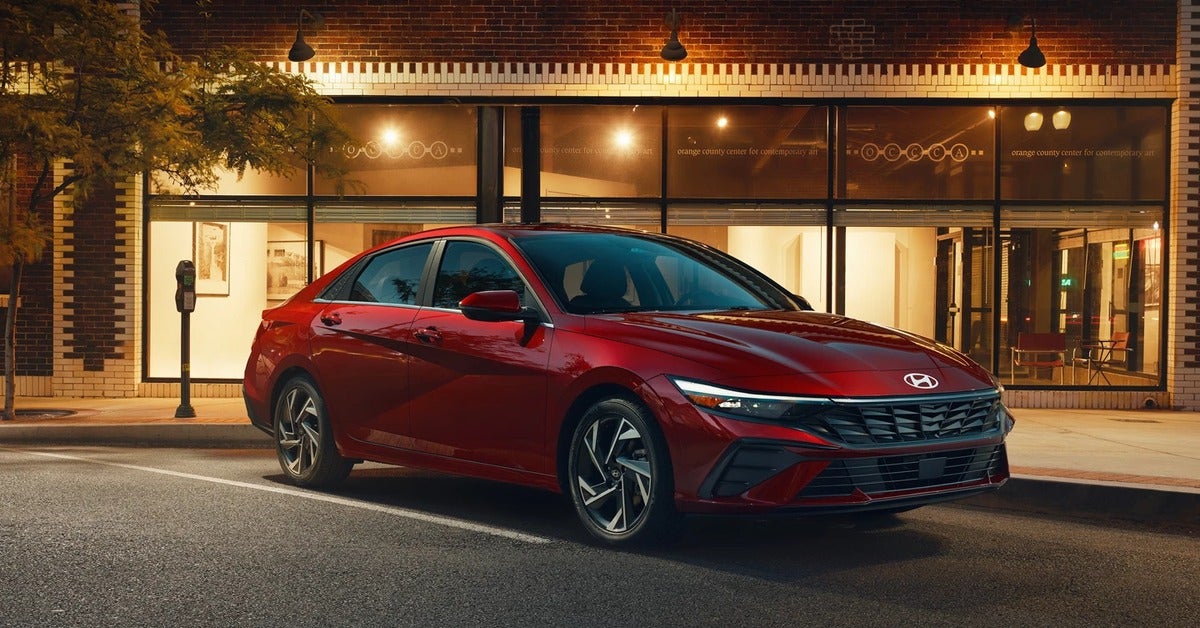
The keys to a first car mark a big moment, for the new driver and for everyone who helped them get there. It's also a big decision. You want something safe, affordable to run, and simple to handle while skills are still developing. That's why the Hyundai Elantra lands on so many shortlists. If you're asking whether the Hyundai Elantra is a good first car, the short answer is yes, and the team at Bentley Hyundai is here to walk you through the reasons why. Why Budget-Minded Buyers Start With the Elantra Most first-time buyers watch every dollar, and the Elantra is built to stretch them. Under the hood, a 2.0L four-cylinder delivers 147 horsepower. That's enough to merge onto the interstate with confidence, but modest enough that new drivers aren't tempted to push their limits. Fuel economy is where the Elantra really shines: Gas models are EPA-rated at up to 40 mpg on the highway. The Elantra Hybrid Blue earns an EPA rating of up to 54 mpg combined. For a student driving to class or a teen heading to a part-time job, that efficiency adds up week after week. Whether your daily drive runs along I-565 or across town in Huntsville, fewer stops at the pump leave more room in the budget for everything else. Buying a car for the first time can feel overwhelming, so ask about our first-time buyer program to see how we help new buyers get started. Standard Safety Tech That Helps New Drivers You don't have to step up to a high trim to get meaningful protection. Hyundai SmartSense comes standard on every Elantra and includes: Forward Collision-Avoidance Assist with Pedestrian Detection to help prevent or reduce front-end collisions Lane Keeping Assist to gently guide the car back if it starts to wander Blind-Spot Collision Warning to flag vehicles hiding beside you Driver Attention Warning to spot signs of fatigue or distraction Independent crash testing backs this up. The Insurance Institute for Highway Safety (IIHS) gave the Elantra Good ratings in its small overlap front, updated moderate overlap front, and updated side tests, along with Good ratings for headlights and pedestrian front crash prevention. For a deeper look at each feature, read our guide to Hyundai SmartSense standard safety features. Warranty Coverage That Protects a First Purchase A surprise repair bill can derail a tight budget. Hyundai's America's Best Warranty helps take that worry off the table for new Elantra owners: 10-year/100,000-mile Powertrain Limited Warranty for the original owner 5-year/60,000-mile New Vehicle Limited Warranty 24-hour Roadside Assistance for 5 years with unlimited miles Roadside Assistance is especially reassuring for young drivers. A dead battery in a parking lot on a hot Alabama afternoon is far less stressful when help is one call away. A Size and Trim Lineup That Fits Real Life The Elantra hits a sweet spot for new drivers. It's compact enough to slip into tight parking spots at school or work, yet roomy enough to carry friends in the back seat. The 14.2-cubic-foot trunk swallows a week of groceries, a set of golf clubs, or everything needed for a dorm move-in day. Here is a quick way to think about the trims: SE: the straightforward starting point, with the full suite of standard SmartSense features. SEL Sport: adds adaptive cruise control and sportier styling. Limited: layers on extra comfort and technology. Elantra Hybrid: the top choice when saving at the pump matters most. Ready to compare in person? Browse our new Hyundai Elantra inventory to see which trims and colors are on the lot. Smart Questions to Ask Before You Buy Whether you're a parent or the new driver, going in with a plan makes the process smoother. Consider these steps before you sign: Look at the full cost of ownership, including insurance, fuel, and maintenance, rather than only the monthly payment. Have the new driver handle the test drive on familiar roads, such as the daily route to school or work. Ask a product specialist to demonstrate each SmartSense alert so nothing comes as a surprise later. Request an insurance quote on the specific trim you like, since rates can differ by trim and driver. Getting pre-approved before you shop also keeps things simple. You can apply for financing online and walk in already knowing your options. Frequently Asked Questions Is a Hyundai Elantra a safe first car? Yes. Every Elantra includes Hyundai SmartSense features such as Forward Collision-Avoidance Assist, Lane Keeping Assist, and Blind-Spot Collision Warning. It also earned Good ratings in key IIHS crash tests, which gives new drivers and parents added confidence. What kind of gas mileage does the Elantra get? Gas-powered Elantra models are EPA-rated at up to 40 mpg highway, and the Elantra Hybrid Blue is rated at up to 54 mpg combined. Both are strong choices for drivers who want to keep fuel costs low. Is a new or used Elantra better for a first-time driver? It depends on your priorities. A new Elantra comes with full Hyundai warranty coverage and the latest safety features, while a used model can lower the upfront cost. Many recent used Elantras still include SmartSense features, so check each vehicle's equipment. How long is the Hyundai Elantra warranty? New Elantras come with a 10-year/100,000-mile Powertrain Limited Warranty for the original owner, a 5-year/60,000-mile New Vehicle Limited Warranty, and 5 years of 24-hour Roadside Assistance with unlimited miles. Where can I test drive an Elantra near Madison, AL? Bentley Hyundai is located at 3805 University Drive in Huntsville, AL, a short drive from Madison, Meridianville, and Redstone Arsenal. Call 256-713-0505 to schedule your test drive. Find Your First Elantra in Huntsville So, is the Hyundai Elantra a good first car? For most new drivers, it's one of the smartest places to begin. You get standard safety tech, impressive fuel economy, long warranty protection, and a size that's easy to manage every day. The best next step is a test drive. Stop by our showroom on University Drive or call 256-713-0505 to set one up. And when it's time for routine maintenance, our Hyundai service department will help keep your first car running smoothly for years to come.

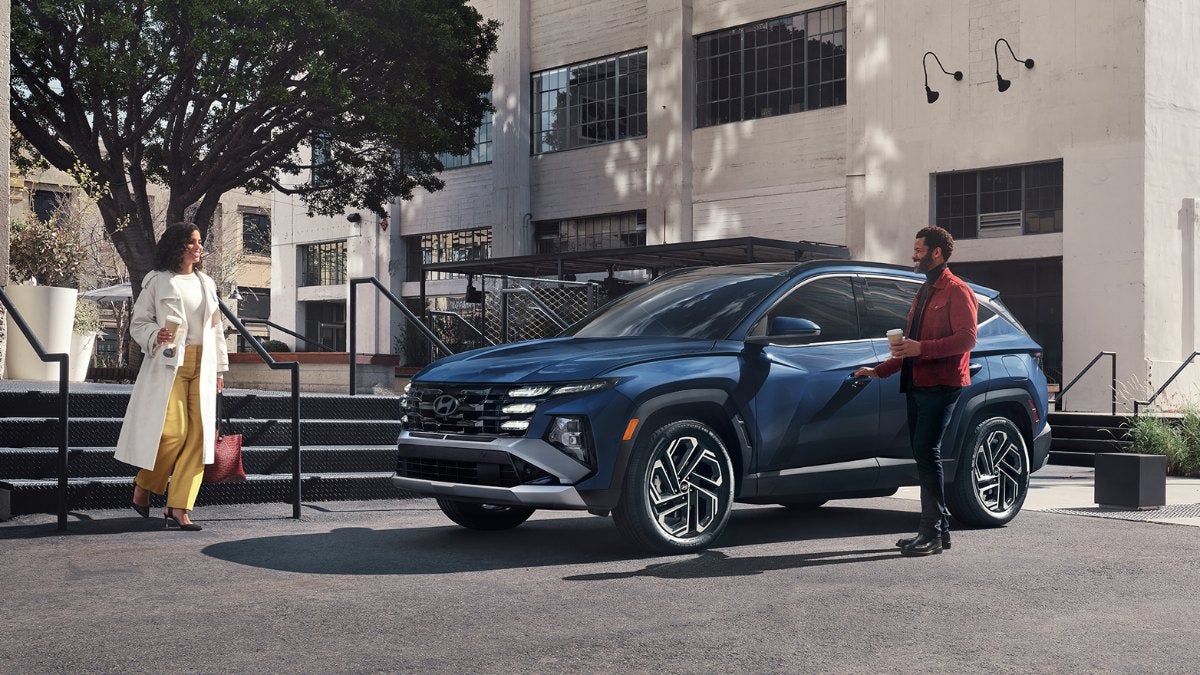
Hyundai Tucson compact SUV parked on a city street

Hyundai SmartSense: What Safety Features Come Standard?

When you shop for a new Hyundai, you will see the name SmartSense on almost every window sticker. Hyundai SmartSense is the brand's suite of standard and available driver assistance features, and knowing what comes standard helps you pick the right trim without paying for tech you will not use. At Bentley Hyundai in Huntsville, we answer this question every week, so here is a plain-English guide to what SmartSense includes and how it changes from model to model. SmartSense features come standard on the Tucson. Image: Hyundai What Is Hyundai SmartSense? SmartSense is Hyundai's name for the cameras, radar and software that help you avoid collisions and reduce fatigue behind the wheel. Hyundai groups the features into four areas: driving safety, driving convenience, parking safety and parking convenience. Some features come on every trim, while others are added as you move up the lineup. Because the mix changes by model, the best way to compare is to look at what comes on the base trim. If you are deciding between two SUVs, our guide to the Hyundai Tucson vs. Santa Fe is a helpful place to start. SmartSense Features That Come Standard On the base trims of the Tucson, Santa Fe, Elantra and Palisade, Hyundai includes a core group of SmartSense features: Forward Collision-Avoidance Assist: watches the road ahead, warns you of a likely crash and can brake automatically. On the Tucson, Santa Fe and Palisade it also detects pedestrians, cyclists and oncoming cars when you turn left at an intersection. Lane Keeping Assist: warns you when you drift out of your lane and gently steers you back. Lane Following Assist: helps keep you centered in your lane. Driver Attention Warning: watches for signs of drowsy or distracted driving and suggests a break. Blind-spot warning: alerts you to a vehicle in your blind spot. Rear Cross-Traffic Collision-Avoidance Assist: warns of cars crossing behind you as you back up and can brake. Safe Exit Warning or Safe Exit Assist: warns a passenger about to open a door into approaching traffic. Rear Occupant Alert: reminds you to check the back seat when you turn the vehicle off. Smart Cruise Control with Stop & Go, which keeps a set distance and can stop and restart in traffic, is standard on the base Tucson and Santa Fe and on every gas Kona. On the Elantra, it arrives on higher trims. Features That Depend on the Trim Highway Driving Assist Highway Driving Assist combines adaptive cruise with lane centering for less tiring highway drives, which is welcome on a long run up I-65. Highway Driving Assist 2 adds help with lane changes. The Palisade includes Highway Driving Assist on its base trim. On the Santa Fe it starts at the XRT, and on the Tucson it comes on the SEL Premium and Limited. Blind-Spot Collision-Avoidance Assist and Blind-Spot View Monitor Base trims warn you about a car in your blind spot. Blind-Spot Collision-Avoidance Assist goes further and can brake to help prevent an unsafe lane change; it is offered on the top Calligraphy trims of the Santa Fe and Palisade. Blind-Spot View Monitor shows a live camera view in the gauge cluster when you signal, and it comes on the Tucson Limited, the Santa Fe Limited and above, and the Palisade SEL Premium and above. Parking tech Surround View Monitor gives you a 360-degree view for tight spots, and Reverse Parking Collision-Avoidance Assist can brake if it detects something behind you. Remote Smart Parking Assist can even move the vehicle into or out of a space while you stand outside with the key fob. These features appear on upper trims like the Tucson Limited and Santa Fe Limited. Browse our new Hyundai SUV inventory to find a trim with the features you want. The Santa Fe adds Safe Exit Assist as standard. Image: Hyundai How Hyundai Performs in Crash Testing SmartSense pairs with strong crash protection. In the latest round of Insurance Institute for Highway Safety awards, the Tucson, Santa Fe, Palisade, Kona, Sonata, IONIQ 5 and IONIQ 9 earned TOP SAFETY PICK+ ratings, and the Elantra earned a TOP SAFETY PICK. The Palisade award applies to vehicles built after November 2025. Hyundai says it has earned more than 135 IIHS top safety awards since 2006. How to Choose the Right Trim Commute on the interstate? Look for Highway Driving Assist. Park in tight garages or busy lots? Surround View Monitor and Reverse Parking Collision-Avoidance Assist are worth the step up. Shopping on a budget? The base trims already include the core collision, lane and blind-spot warnings. Drivers from Madison, Harvest and Decatur often test the features on the same route they drive every day. Schedule a test drive and we will show you how each system works before you leave the lot. Frequently Asked Questions Is Hyundai SmartSense standard on all models? Hyundai describes SmartSense as a suite of standard and available features. Core features like Forward Collision-Avoidance Assist, Lane Keeping Assist and Driver Attention Warning are standard on the base Tucson, Santa Fe, Elantra and Palisade, while others depend on the trim. Does Hyundai SmartSense include adaptive cruise control? Yes. Smart Cruise Control with Stop & Go is standard on the base Tucson and Santa Fe and on every gas Kona. Highway Driving Assist, which adds lane centering, is standard on the Palisade and available on upper trims of other models. What is Hyundai Safe Exit Assist? Safe Exit Assist warns a passenger who is about to open a door into approaching traffic and can keep the rear child lock engaged. Some models use Safe Exit Warning, the alert-only version. Which Hyundai models are IIHS TOP SAFETY PICK+ winners? In the latest IIHS awards, the Tucson, Santa Fe, Palisade, Kona, Sonata, IONIQ 5 and IONIQ 9 earned TOP SAFETY PICK+, and the Elantra earned a TOP SAFETY PICK. Can I try SmartSense features on a test drive at Bentley Hyundai? Yes. Visit us at 3805 University Drive in Huntsville or call 256-713-0505, and our team will walk you through each feature on the road. Explore Hyundai SmartSense at Bentley Hyundai Hyundai SmartSense gives every new Hyundai a strong safety foundation, and the upper trims add tech that makes highway driving and parking easier. Compare models in our new Hyundai inventory, then visit Bentley Hyundai on University Drive in Huntsville to try SmartSense for yourself.