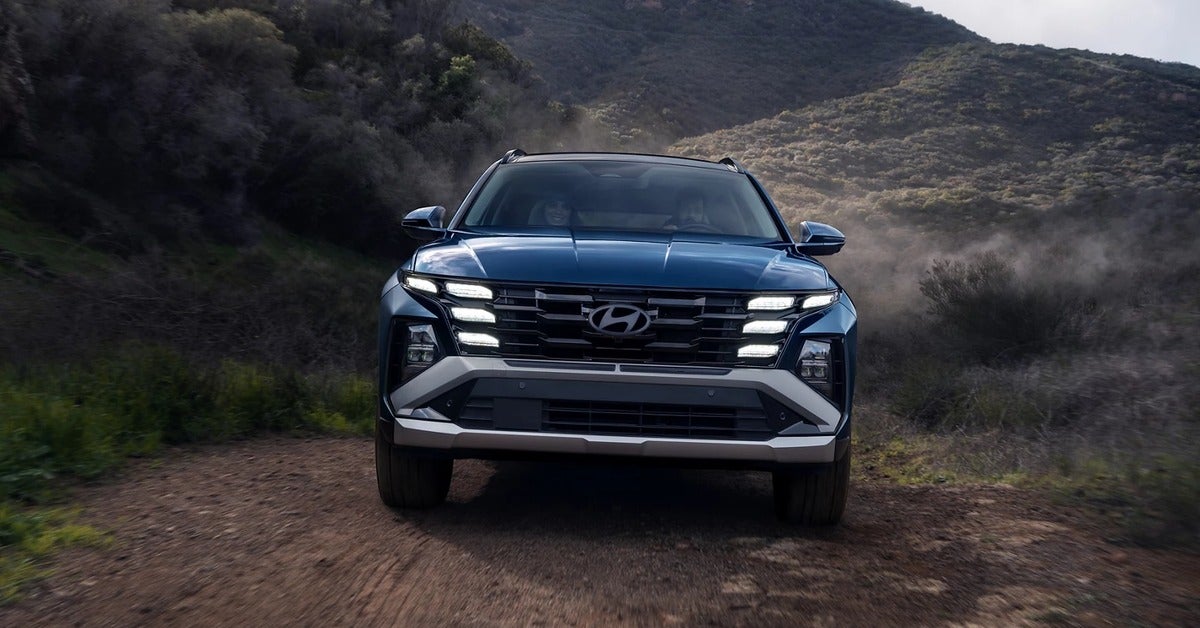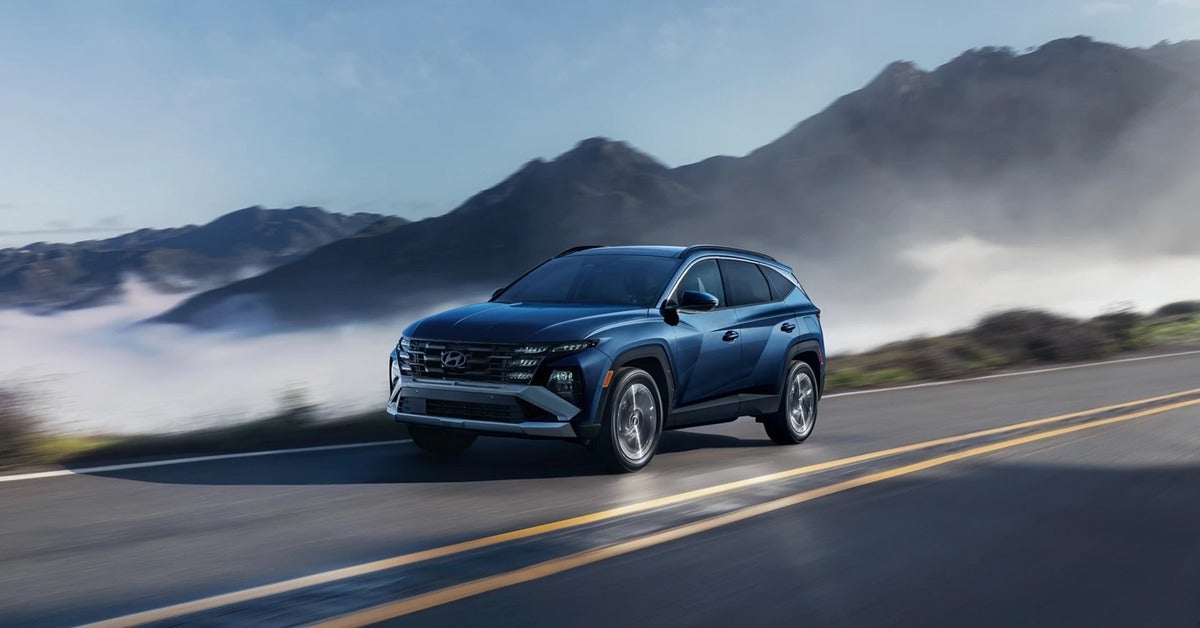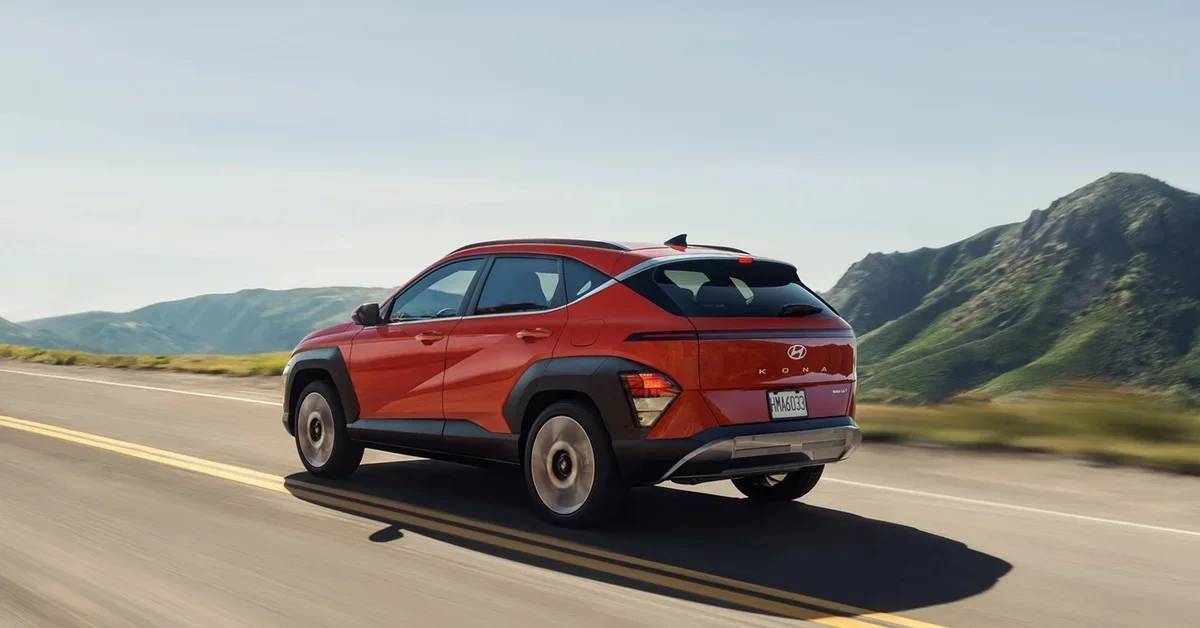




A Hyundai hybrid vs. plug-in hybrid decision often comes down to one question: will you actually charge at home or work? Both options reduce gas station stops and deliver the familiar practicality of a Hyundai SUV. But a conventional hybrid asks nothing more than fuel in the tank, while a plug-in hybrid rewards drivers who can regularly connect to a charger.
For North Alabama commuters, families, and Redstone Arsenal personnel balancing predictable work drives with weekend trips, that difference can shape everyday convenience more than a spec sheet ever will. The right choice is not automatically the model with the larger battery. It is the one that works with your parking situation, commute length, travel habits, and comfort with charging.
Hyundai Hybrid vs. Plug-In Hybrid: The Core Difference
A Hyundai hybrid combines a gas engine, electric motor, and small battery. The vehicle manages power automatically. It can use electric assistance when pulling away, cruising at lower speeds, or accelerating, then recapture energy through regenerative braking. You fuel it like a traditional vehicle, and you never need to plug it in.
A Hyundai plug-in hybrid, often called a PHEV, also has a gas engine and electric motor, but it carries a larger battery that can be charged from an external power source. With a full charge, it can cover a limited distance using electricity before operating more like a regular hybrid. When the battery’s electric-only range is used, the vehicle does not stop or become inconvenient to drive. Its gas engine is there for longer trips and flexibility.
That makes a hybrid the simpler fit for drivers who want better efficiency without changing their routine. A plug-in hybrid is a practical middle ground for someone who wants to use electricity for many local miles but is not ready to rely entirely on public charging for road trips.
Choose a Hyundai Hybrid for Easy Everyday Efficiency
A conventional Hyundai hybrid makes sense when convenience is your top priority. There is no charging cable to manage, no need to plan around an outlet, and no concern about arriving home with enough time to recharge before morning. Drive it, refuel it, and let the system do its work.
This can be especially appealing if you live in an apartment, rent your home, park in different places, or have a schedule that changes week to week. It is also a smart option for drivers who frequently travel beyond Huntsville, whether that means heading toward Birmingham, Nashville, the Gulf Coast, or visiting family out of state. The experience on a long highway trip remains familiar: stop for fuel when needed and keep going.
Hybrids can be particularly efficient in stop-and-go traffic because regenerative braking helps recover energy that would otherwise be lost. If your daily drive includes city streets, school drop-offs, Arsenal traffic, or errands around Madison and Decatur, a hybrid can provide meaningful benefits without requiring any new habit at home.
Hyundai hybrid SUVs have also become a natural choice for households that need useful cargo room, flexible seating, and all-weather confidence. If you are comparing vehicles such as the Tucson Hybrid or Santa Fe Hybrid, focus on the features your household will use every day, not just the powertrain label.
Choose a Plug-In Hybrid if You Can Charge Consistently
A plug-in hybrid delivers its best value when charging is routine rather than occasional. A dedicated home charging setup is ideal, but even a standard household outlet can work for some owners when the vehicle is parked for an extended period. The key is consistency.
Imagine a driver with a manageable daily commute who returns to the same driveway or garage every evening. If that driver plugs in overnight, many local trips may be completed using battery power before the gas engine needs to contribute. The next day, they can still take an unplanned longer trip without searching for a fast charger or worrying about range.
That flexibility is the PHEV advantage. It can behave like an electric vehicle for short, predictable drives and like a hybrid when the day gets longer. For a household with one vehicle that must handle commuting, errands, kids’ activities, and road trips, that can be a compelling balance.
There is a trade-off. If you rarely plug in, you may carry the added weight and complexity of the larger battery without getting the full benefit. A plug-in hybrid is not a bad choice in that situation, but a conventional hybrid may provide a better match with less effort. Be honest about your charging access before deciding.
Charging Questions to Answer Before You Buy
Before choosing a plug-in hybrid, take a close look at where the vehicle sleeps. Can you park close enough to an outlet? Do you have permission to install charging equipment if you rent or live in a condo? Is workplace charging available and convenient enough to use? These practical details matter more than good intentions.
Also consider your daily mileage. A PHEV does not need to complete every mile electrically to be useful. However, its electric range should cover a meaningful share of your normal driving for charging to feel worthwhile. If your routine varies from short local drives one week to lengthy interstate runs the next, either choice can work, but the hybrid may feel easier to own.
Home charging is usually the most predictable option because the vehicle can recharge while you are already parked. Public charging can be helpful, but it is best viewed as a convenience rather than the foundation of your PHEV ownership plan. A plug-in hybrid does not typically need the rapid charging strategy that a fully electric vehicle owner may use.
Model Availability and Used-Vehicle Considerations
Hyundai’s hybrid and plug-in hybrid offerings can vary by model year, trim, and market. A current Hyundai hybrid SUV may be the right starting point for shoppers seeking a new vehicle, while a pre-owned plug-in hybrid can be an appealing way to explore electric driving with gas backup. Inventory changes, especially for used PHEVs, so comparing the specific vehicle in front of you matters.
When evaluating a used plug-in hybrid, ask about service history, remaining factory coverage, charging equipment, and how the vehicle was used. A qualified inspection is valuable for any pre-owned vehicle, but it is particularly reassuring when a vehicle has both an electric drive system and a gas engine. Factory-trained technicians can help identify what needs attention now and what can wait.
For either type of vehicle, review cargo needs and seating before assuming the electrified version is identical to its gas-only counterpart. Battery placement, spare-tire arrangements, and trim features can affect details that matter to families. Bring car seats, sports gear, or the items you regularly carry when you schedule a test drive if that will help you judge fit.
Ownership Costs Are About More Than Fuel
Fuel savings are part of the equation, but ownership satisfaction also comes from choosing a vehicle that fits your lifestyle. A hybrid may reduce fuel use without requiring a home charging setup. A plug-in hybrid may lower gasoline use further for a driver who charges regularly. Your electricity rate, fuel costs, miles driven, and charging habits all affect the real-world result.
Maintenance is still straightforward for both. Each has a gas engine and will need routine service, including items such as tires, brakes, fluids, and inspections. Regenerative braking can reduce some brake wear over time, but it does not eliminate normal maintenance. Follow the maintenance schedule for the exact model and model year you choose.
Financing also deserves the same thoughtful approach as the vehicle decision. Compare loan terms, estimate your trade-in value, and get pre-approved so you can evaluate the full ownership picture with clear expectations. The best powertrain choice should also fit comfortably into your long-term plan.
Which One Should You Test Drive?
Start with a hybrid if you want an efficient SUV with no charging commitment, travel frequently, or cannot reliably charge where you park. Start with a plug-in hybrid if you have dependable charging and want to make more local miles on electricity while keeping the confidence of a gas engine for longer drives.
If you are still torn, test drive both with your normal routine in mind. Notice how the brake feel, acceleration, cabin space, controls, and visibility work for you. Ask to see the charging connection on the PHEV and talk through what a typical overnight charge would look like at your home. A good decision feels practical on Monday morning, not just impressive during a short drive around the block.
When you are ready, Bentley Hyundai can help you search available hybrid and plug-in hybrid inventory, get pre-approved, and schedule a test drive with the time and information you need to choose confidently.
Frequently Asked Questions
Is a hybrid or plug-in hybrid better for Alabama summer heat?
Both are designed to handle hot climates, and both use air conditioning that draws on the battery and engine. A plug-in hybrid may use some electric range to cool the cabin, which can shorten electric driving on very hot days. Parking in shade or a garage and precooling while plugged in can help. Neither choice needs special treatment in heat.
Can I charge a Hyundai plug-in hybrid on a regular outlet in Huntsville?
Many plug-in hybrid owners use a standard 120-volt household outlet because the battery is smaller than a full EV's. Overnight Level 1 charging can be enough for many local commutes. A Level 2 charger shortens charging time. Use a dedicated, properly wired outlet, and have an electrician check it if it feels warm or shares a busy circuit.
Which is better for a Redstone Arsenal commute, a hybrid or a PHEV?
It depends on distance and charging. If your round trip fits within a plug-in hybrid's electric range and you can charge every night, a PHEV may use little gasoline on workdays. If your commute is long, you park in different places, or you cannot charge reliably, a conventional hybrid is often the simpler and more consistent choice.
Do hybrid batteries need special maintenance?
The hybrid battery is managed by the vehicle and typically does not need routine owner maintenance, though it is inspected as part of scheduled service. Hyundai provides separate coverage for hybrid system components on eligible vehicles. Keeping the battery cooling air intake clear, if your model has one, and following the maintenance schedule helps the system work as designed.