


A trade appraisal starts before anyone opens the hood or takes a test drive. When you prepare your car for a trade appraisal, you make it easier for the appraiser to see its condition clearly, verify its history, and evaluate it without distractions. That does not mean trying to hide wear or spending heavily on last-minute upgrades. It means presenting an honest, cared-for vehicle and arriving ready to answer the questions that matter.
For North Alabama drivers, that can be as simple as clearing out the pollen, washing off road grime, gathering service records, and making sure the vehicle is ready to drive. A little preparation supports a more efficient trade conversation while helping you feel prepared to compare your next vehicle with confidence.
Start With a Clean, Honest First Impression
A clean vehicle will not erase mechanical issues or transform its market value overnight, but it does allow the appraiser to inspect the car properly. It also shows that the vehicle has likely received regular attention, which can make a difference when the overall condition is being assessed.
Wash the exterior, including the wheels, wheel wells, windows, and door jambs. Remove accumulated leaves from the cowl area near the windshield and clean the trunk or cargo area. In Huntsville, spring pollen can quickly make a well-kept car look neglected, so a fresh wash before your appointment is worthwhile.
Inside, remove personal items from the glove box, center console, door pockets, under the seats, and cargo area. Vacuum the carpets and seats, wipe down major surfaces, and address obvious odors if you can. Avoid using a heavily scented product to cover odors, though. An appraiser can usually tell the difference between a recently cleaned cabin and one that is masking smoke, mildew, or pet odors.
Cleaning should make the vehicle easier to evaluate, not conceal its condition. If there is a scratch, dent, torn seat seam, or cracked trim piece, leave it visible. Honest presentation saves time and builds trust.
Gather the Records That Tell Your Car's Story
A car with documented maintenance is easier to evaluate than one with an unknown history. Bring whatever records you have, whether they are printed invoices, a folder of receipts, or service documentation stored in an app. Factory-trained service records, oil changes, tire purchases, brake work, battery replacement, and major repairs can all help establish how the vehicle has been maintained.
Bring the basics with you:
- Your vehicle title, if you own the car outright
- Current registration and any loan payoff information, if applicable
- All available keys, key fobs, and valet keys
- Service and repair records
- Documentation for transferable warranties or approved accessories
If you still have a loan, do not worry about calculating every detail on your own. The dealership can help review the payoff process as part of the trade discussion. Having your lender information and account details available can keep things moving.
Extra keys deserve special attention. Replacing a modern key fob can be more involved than many drivers expect, especially on vehicles with proximity entry or remote start. Bringing every key you have helps create a more complete appraisal.
Handle Small, Sensible Repairs Before the Appointment
Not every issue needs to be repaired before trading your vehicle. In fact, spending money on major repairs or cosmetic upgrades without guidance may not return what you put into it. The better approach is to address simple, low-cost items that affect safety, appearance, or the ability to evaluate the vehicle.
Replace a burned-out exterior bulb, install a missing wiper blade, inflate tires to the recommended pressure, and remove old inspection stickers or temporary adhesive residue where appropriate. If the battery is weak, the check engine light is on, or the vehicle is overdue for basic maintenance, consider addressing the issue before the appraisal if it makes practical sense.
The key is to avoid guessing. A new set of expensive accessories, aftermarket modifications, or a major repair may not add value in the way you expect. Some modifications can even narrow the pool of future buyers. If you are unsure whether to repair something first, ask during your appraisal conversation. A straightforward assessment can help you decide whether the work is worthwhile.
Check Tires, Warning Lights, and Everyday Functions
An appraisal is not the same as a full service inspection, but the vehicle's basic systems matter. Before you arrive, take a few minutes to confirm that the headlights, brake lights, turn signals, windows, locks, air conditioning, heat, radio, backup camera, and charging ports are working as expected.
Look at the tires for uneven wear, low tread, sidewall damage, or a slow leak. Uneven tire wear can point to alignment or suspension concerns, while badly worn tires affect both safety and reconditioning needs. You do not need to install new tires just because your current set is not brand-new, but knowing their condition allows you to have an informed conversation.
Pay attention to warning lights on the dash. A check engine light, ABS light, airbag light, or battery warning should not be ignored. Be upfront about it rather than clearing codes immediately before the appointment. Clearing a light does not repair the cause, and the issue may return during the appraisal or test drive.
Be Ready for a Short Test Drive and Inspection
Your vehicle should have enough fuel or charge for a brief drive. If you are trading an EV or plug-in hybrid, arrive with a reasonable battery level and bring the charging cable if it came with the vehicle. Include any charging adapters or accessories that will stay with the car.
During an appraisal, the vehicle may be driven and inspected for ride quality, braking, steering response, acceleration, noises, and overall operation. The appraiser will also look at exterior panels, paint condition, interior wear, tires, glass, vehicle history, mileage, and equipment. Features such as all-wheel drive, third-row seating, driver-assistance technology, and towing equipment can affect the vehicle's appeal, so make sure the appraiser knows what is included.
If your car has a quirk, explain it clearly. Maybe a sensor works intermittently, a rear hatch needs a firm close, or the infotainment system was recently updated. A specific explanation is more helpful than a vague warning that "it acts funny sometimes."
Understand What Shapes a Trade Appraisal
Mileage and condition are important, but they are not the whole picture. Current demand, local market needs, vehicle configuration, accident history, maintenance history, title status, tires, and required reconditioning all factor into a trade appraisal. A well-equipped SUV may be especially appealing to a growing family, while an efficient commuter vehicle may fit a Redstone Arsenal employee's daily drive. Even so, the vehicle's actual condition and market demand still guide the evaluation.
It also helps to separate sentimental value from trade value. Your vehicle may have carried your family on vacations, survived years of commuting, or been your first new car. Those memories matter, but an appraisal needs to focus on the vehicle's present condition, history, and market position.
If you have received online estimates or researched similar vehicles, bring that information as a reference, not as a final answer. Online tools can be useful starting points, but they cannot fully account for a vehicle's physical condition, equipment, local demand, or reconditioning needs until it is seen in person.
Prepare Your Trade and Next Purchase Together
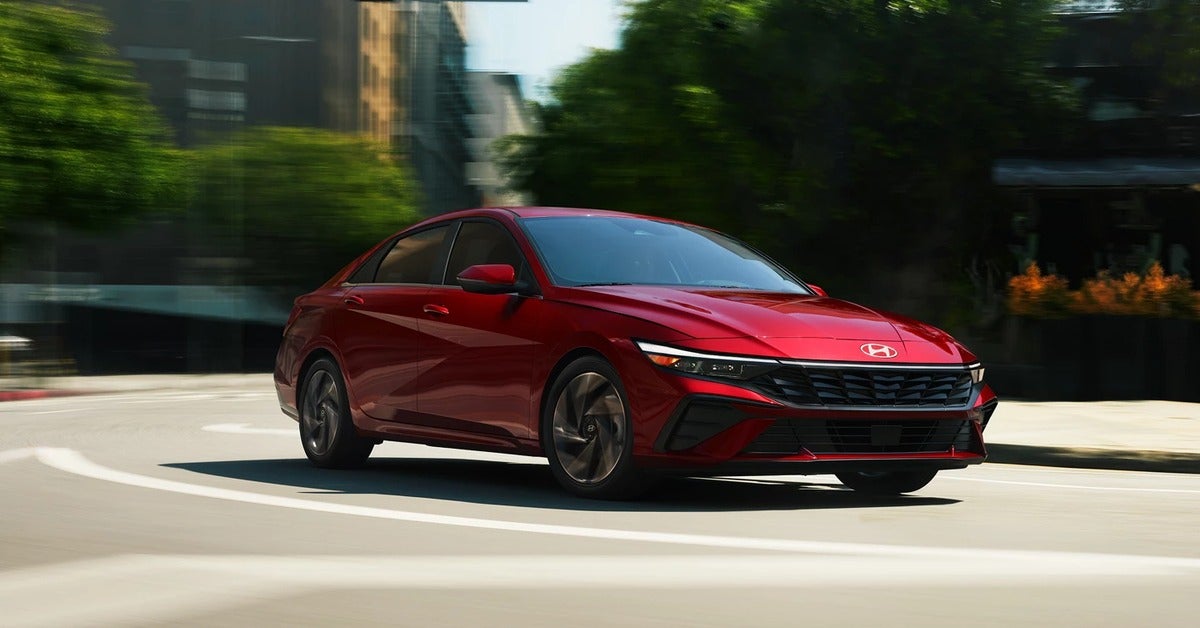
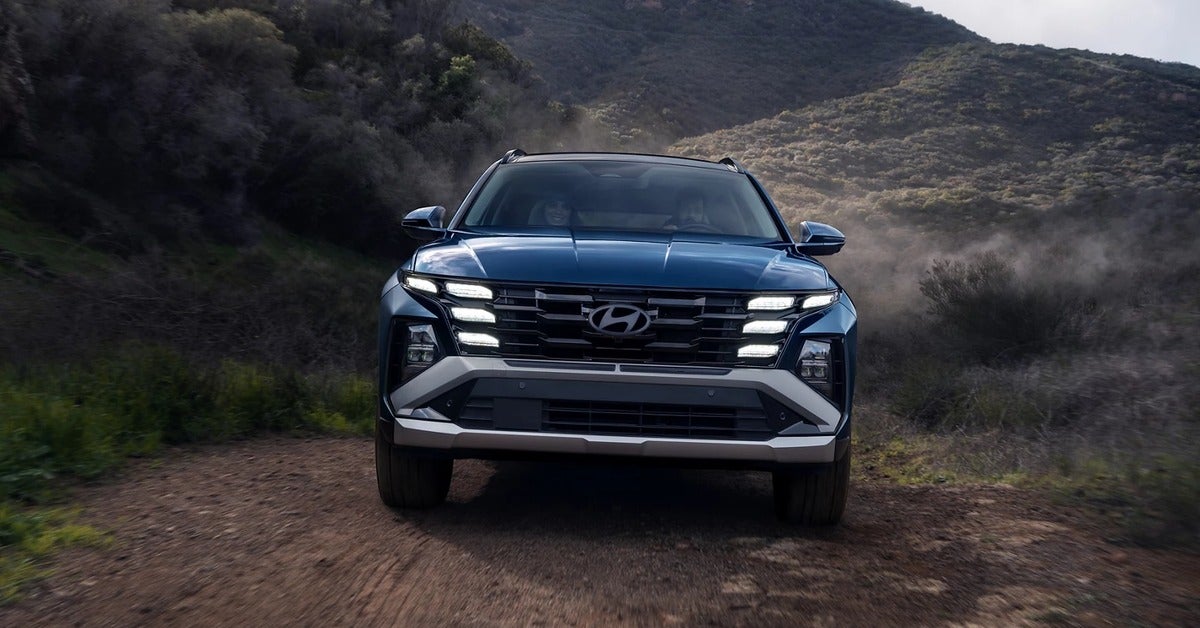
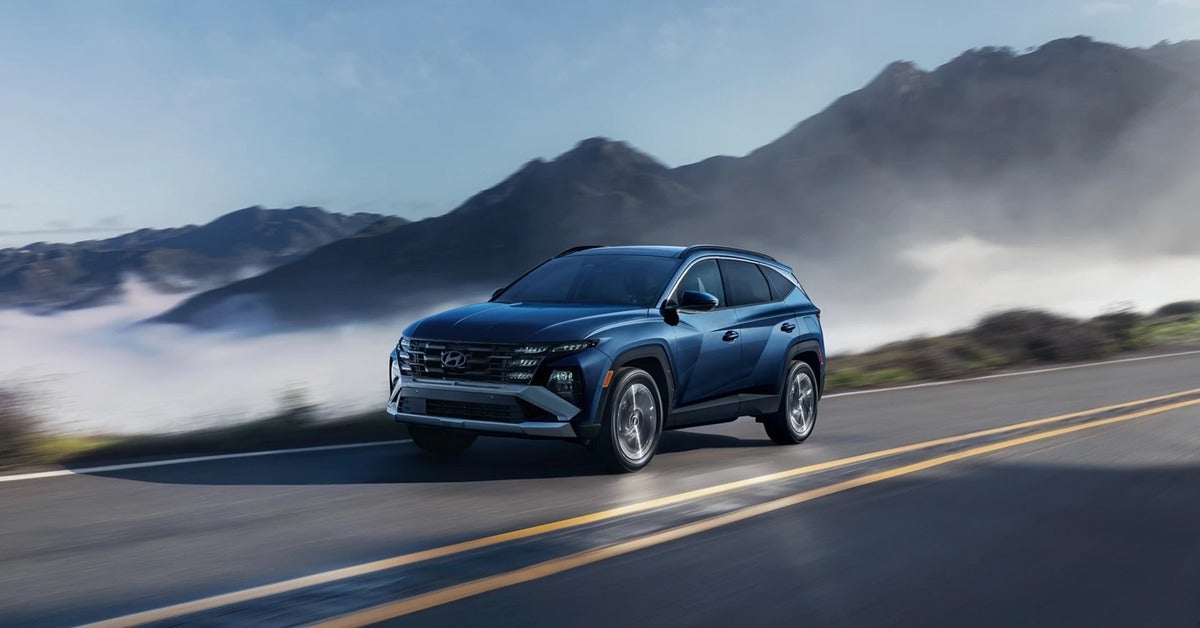
A trade appraisal is often one part of a larger decision. You may be moving into a Hyundai Tucson or Santa Fe for more versatility, considering a Palisade for family space, or comparing a Kona with an EV option for your commute. Thinking through your next vehicle before you arrive can help the entire visit feel more focused.
Consider how your trade fits into your financing plan, how much space or range you need, and whether you want to compare new and used options. You can also get pre-approved before visiting to understand your available pathways. Keeping the trade, financing, and next-vehicle conversation connected helps you evaluate the full picture instead of focusing on one number alone.
Schedule the Appraisal When You Have Time
Avoid squeezing an appraisal into the last few minutes of a busy day if you can. Give yourself enough time for the inspection, a test drive if needed, questions about your trade, and a look at vehicles that may suit your next chapter. A planned appointment is especially helpful if you are driving in from Madison, Decatur, Athens, or another nearby North Alabama community.
Bring the vehicle as it normally operates, with its records and keys in hand, and be candid about what it needs. That is the best way to turn a trade appraisal from a stressful unknown into a clear, useful step toward the vehicle that fits your life now.
Frequently Asked Questions
Should I repair hail damage before a trade appraisal in Huntsville?
Not automatically. North Alabama storms can leave dents, but a body shop bill may cost more than the value it adds. Get a repair estimate if you are curious, then ask the appraiser how the damage affects the offer before spending money. Bring any insurance claim paperwork so the appraiser understands what was already repaired and what was not.
Do I need my title to trade in a paid-off car in Alabama?
Yes, bring the title if you own the vehicle outright, along with your registration and photo ID. If the title is lost, you can apply for a replacement through the Alabama Department of Revenue Motor Vehicle Division, usually by working with your county license office. Starting early helps keep the trade from being delayed.
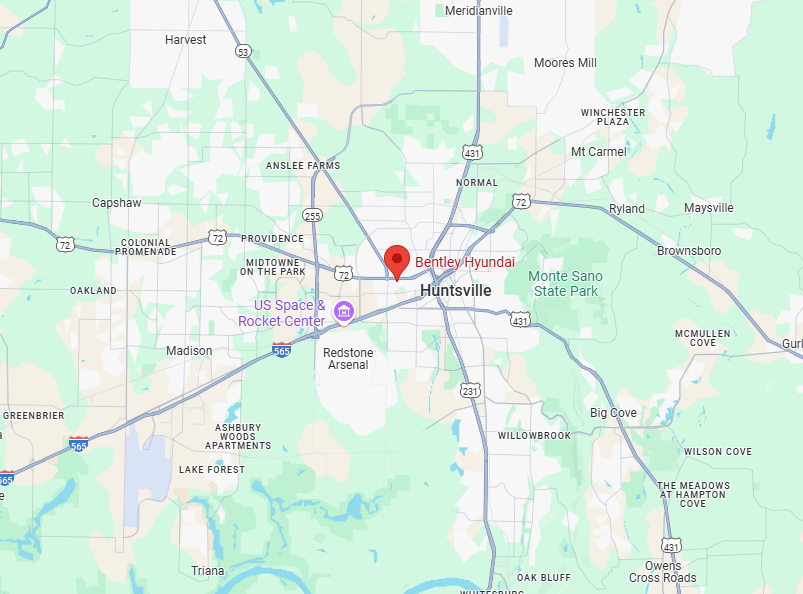
Can I get my car appraised at Bentley Hyundai without buying another one?
Yes. Bentley Hyundai appraises vehicles for trade and can also buy a vehicle outright if trading is not the right fit. You can start with the online trade value tool, then bring the car, keys and records for an in-person appraisal. If you still have a loan, bring your lender details so the payoff can be confirmed.
Will an open recall lower my trade-in value?
An open recall is worth handling before or during the appraisal. Recall repairs on Hyundai vehicles are performed at no cost by an authorized Hyundai dealer, and a completed recall removes one question for the next buyer. If your vehicle is a Hyundai, ask Bentley Hyundai to check for open recalls when you schedule the appraisal or a service visit.