


You are ready to trade your current vehicle, find one that better fits your commute or family, and move forward. Then the trade-in appraisal and loan payoff reveal a gap. This negative equity FAQ explains what that gap means, how it affects your next purchase, and which choices may make sense before you sign.
Negative Equity FAQ: What Does It Mean?
Negative equity means you owe more on your current auto loan than your vehicle is worth as a trade-in. It is also called being "upside down" on a loan.
For example, if your lender’s payoff amount is higher than the appraised trade-in value, the difference is negative equity. Your payoff is the amount required to fully satisfy the loan, which may be slightly different from the balance shown on an older statement because interest continues to accrue.
Negative equity does not mean you have done anything wrong. Vehicles typically depreciate, and several common situations can create a gap: a loan term that stretches over many years, a small down payment, rolling a previous balance into the current loan, or driving more miles than expected. A vehicle can also lose value faster after an accident history or major market changes.
How Do I Find Out Whether I Have Negative Equity?
Start with two current numbers: your lender’s payoff quote and a realistic appraisal of your vehicle’s market value. Your lender can provide a payoff quote by phone, online account, or app. Ask how long that quote is valid, since payoff amounts change over time.
An appraisal should consider the vehicle’s condition, mileage, trim, service history, title status, and local demand. Online estimates can offer a starting point, but they cannot inspect tires, paint, reconditioning needs, or the features that affect a vehicle’s actual value. A dealership appraisal gives you a chance to see the trade value alongside the next vehicle and financing options.
Subtract the trade-in value from the payoff amount. If the result is positive, you have equity. If the payoff is higher, you have negative equity. Getting both figures on the same day gives you the clearest picture.
Can I Trade In a Car With Negative Equity?
Yes. Many shoppers trade in vehicles with negative equity. The key question is how the remaining balance will be handled.
You may pay the difference at the time of purchase. You may use a larger down payment to offset some or all of it. In some cases, the remaining amount may be included in the financing for the next vehicle, if the lender approves the structure.
Rolling the balance into a new loan can be convenient, but it is not automatically the best answer. It increases the amount financed and can make it harder to build equity in the next vehicle, especially if you trade again soon. Review the full financing worksheet, not only the monthly payment. Ask to see the trade value, loan payoff, amount financed, term, and payment clearly separated.
Will Negative Equity Stop Me From Getting Approved?
Not necessarily. Approval depends on the full lending picture, including income, credit history, down payment, the vehicle selected, loan term, and the total amount being financed. Negative equity is one factor, not the entire decision.
A vehicle choice can matter. Moving to a vehicle with an appropriate loan-to-value relationship may create more financing flexibility than selecting a vehicle that pushes the amount financed higher. This is where getting pre-approved can be useful. It gives you a practical range to shop within before you become attached to a specific vehicle.
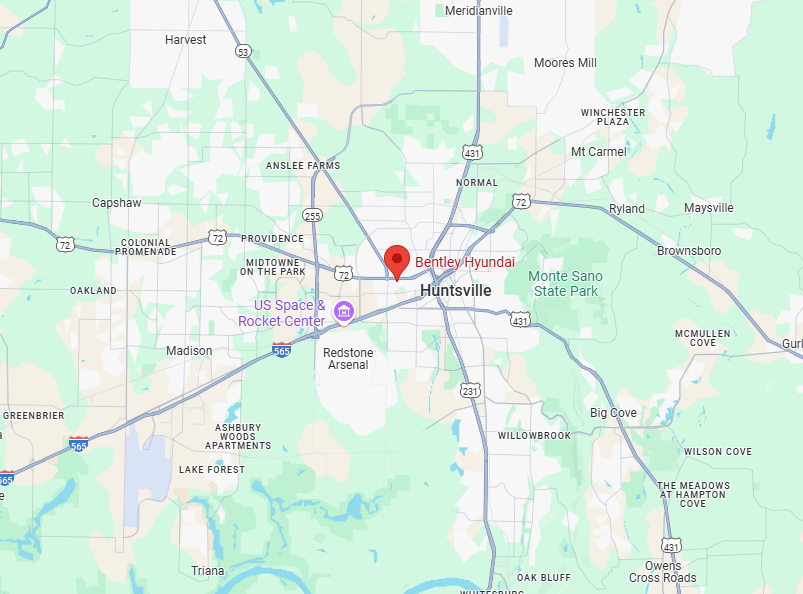
For Redstone Arsenal military and civilian personnel, a change in assignment, household needs, or commute can make a vehicle change necessary. Bring that context to the financing conversation. A knowledgeable team can help compare realistic paths without pressure to force a decision that does not fit your long-term plans.
Is It Better to Wait Before Trading?
Sometimes, yes. Waiting can help if you can reduce the loan balance faster, improve the vehicle’s condition, or allow the market value and payoff gap to move closer together. Extra payments that go toward principal can reduce what you owe, but confirm with your lender that there are no prepayment restrictions and that the extra amount is applied correctly.
Waiting is not always practical. A growing family may need more space. A long commute may call for better efficiency. Rising repair needs may make keeping the current vehicle less appealing. If your vehicle is still reliable and your needs have not changed, waiting can be a sensible financial choice. If a change is necessary, focus on minimizing the impact rather than assuming you must delay.
Should I Sell My Vehicle Privately Instead?
A private sale may bring more than a trade-in in some cases, which could reduce negative equity. It also takes effort. You are responsible for preparing the vehicle, communicating with buyers, arranging safe test drives, managing payment, and completing title paperwork while still paying off the lender.
A trade-in is simpler because the dealership can coordinate the payoff and apply the vehicle’s value to your transaction. It may also reduce the sales-tax amount on your next purchase, depending on Alabama rules and your situation. The better choice depends on the size of the potential difference, your timeline, and how much work you want to take on.
Can a Larger Down Payment Help?
Yes. A down payment can offset negative equity and reduce the total amount financed. It can also improve lender flexibility and help you start with a healthier equity position in the next vehicle.
That said, do not drain savings that you need for emergencies, moving costs, insurance, or routine vehicle ownership. The right down payment is one that supports the transaction without putting your household budget under strain. If cash is limited, you may decide to wait, choose a different vehicle, or keep the current vehicle longer.
Does Gap Coverage Pay Off Negative Equity?
Gap coverage is often misunderstood. If an insured vehicle is declared a total loss or stolen, gap coverage may help with the difference between the insurance settlement and the remaining loan balance, subject to the policy or agreement terms. It does not pay off negative equity simply because you want to trade or sell your vehicle.
Coverage rules vary. Some agreements limit how much prior balance can be covered, exclude late payments or fees, or have other conditions. Read the documents and ask questions before relying on gap coverage as part of a future plan.
How Can I Avoid Negative Equity on My Next Vehicle?
The best prevention is to begin with a financing plan that matches how long you expect to keep the vehicle. A reasonable down payment, a manageable loan term, and avoiding unnecessary balance rollovers can help. Choosing a vehicle that fits your budget beyond the monthly payment also matters, since insurance, maintenance, fuel, charging, and registration are part of ownership.
Try not to trade too early if your goal is to build equity. Keep up with maintenance, protect the vehicle’s condition, and make extra principal payments when your budget allows. No strategy guarantees future value, but these habits can reduce the chance that depreciation outpaces your loan payoff.
What documents should I bring for a trade-in appraisal?
Bring your driver’s license, vehicle registration, insurance information, all keys or remotes, and your lender account details. Service records can help show how the vehicle has been cared for. If there is a title issue, lien release, or co-owner involved, mention it early so there are no surprises.
What questions should I ask before I agree to a deal?
Ask for the current payoff used in the transaction, the trade-in value, the exact amount of negative equity, and whether any balance is being financed into the next loan. Ask how the loan term affects the total amount financed and whether a different down payment or vehicle choice changes the structure. Clear answers are a sign of a respectful buying experience.
Negative equity can feel discouraging, but it is a number to understand, not a label that defines your options. Bring your payoff information, get a straightforward appraisal, and compare the paths that protect your budget and your next chapter of driving. At Bentley Hyundai, you can get pre-approved and discuss your trade-in with a team focused on helping you make a confident, informed decision.
Frequently Asked Questions
What if I owe more than my car is worth and I am relocating from Redstone Arsenal?
Start with a current payoff quote and a trade appraisal so you know the exact gap. You can then compare paying the difference, adding cash down, choosing a lower amount financed or keeping the vehicle and moving with it. Bring your timeline to Bentley Hyundai so the options can be laid out side by side before your moving date.
Should I refinance my current loan instead of trading in with negative equity?
Refinancing can sometimes lower a rate or payment, but it does not erase negative equity, and lenders may limit how much they will lend against the vehicle. If your current car still fits your needs, a better rate plus extra principal payments can shrink the gap. If the car no longer fits, compare that path with a trade before deciding.
Can I trade in a leased vehicle that is worth less than its buyout?
Often, yes. Ask the leasing company for a current buyout quote, then get an appraisal. If the vehicle is worth less than the buyout, the difference works much like negative equity on a loan and needs to be paid or handled in the next deal. Review the lease contract for any early termination charges before you commit.
Can I sell my upside-down car to a dealer without buying another one?
Yes, many dealers, including Bentley Hyundai, will appraise and buy a vehicle outright. If the offer is less than your payoff, you will need to pay the difference to your lender so the title can be released. Get the payoff quote first, bring the registration and all keys, and confirm how the lender wants the shortfall paid.