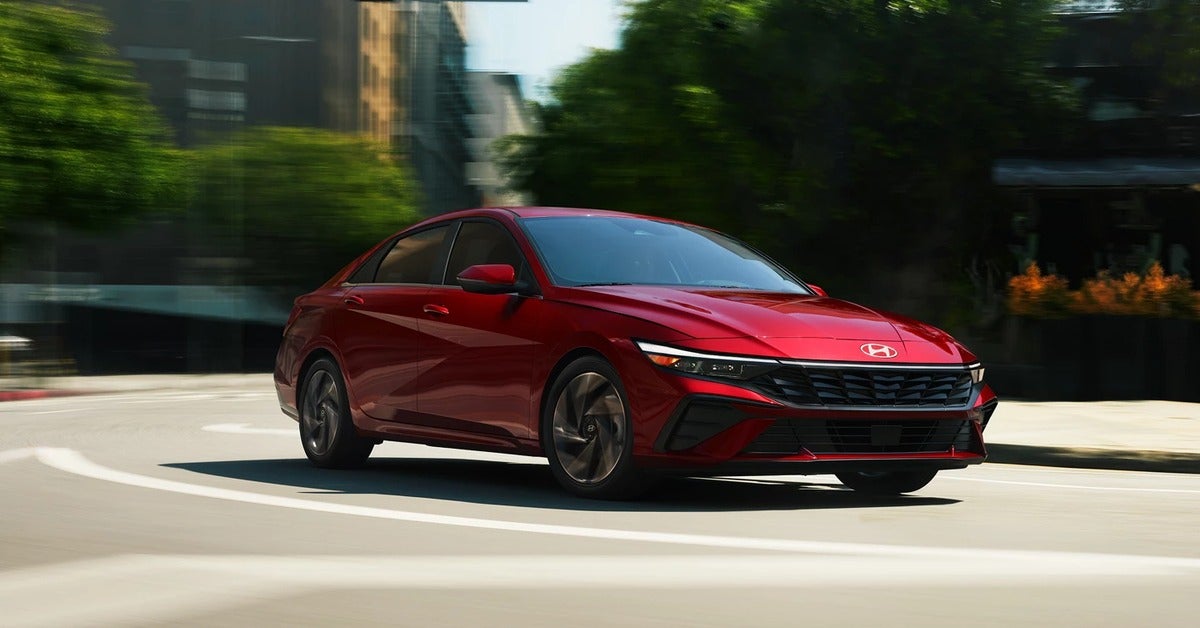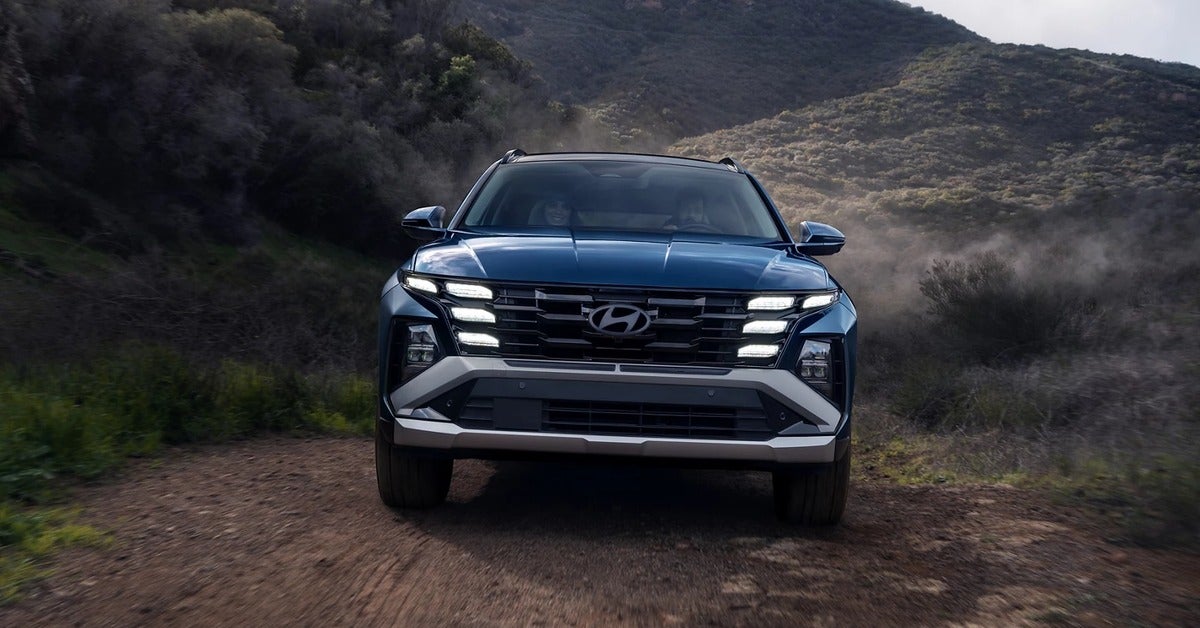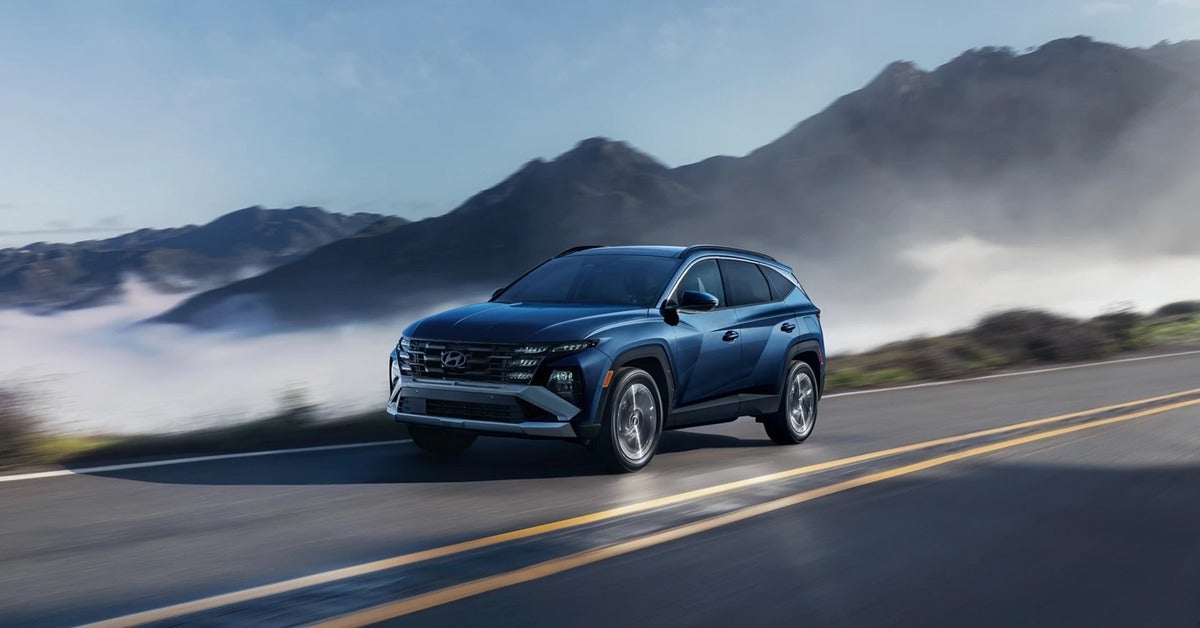




The Kona Electric makes the most sense for drivers who want to leave the gas pump behind without moving into a large, expensive-feeling SUV. In this Kona Electric review, the key takeaway is simple: it is a compact EV with everyday manners, useful driving range, and a size that works well for Huntsville commuting, errands, and weekend plans across North Alabama.
It is not the right EV for every household. Families who routinely fill every seat or carry bulky gear may want more room, while frequent long-distance travelers should think carefully about charging stops. But for a commuter, a couple, a first-time EV buyer, or a household adding a second vehicle, the Kona Electric deserves a close look.
Kona Electric Review: What Stands Out
The Kona Electric feels purpose-built for real daily use rather than designed only to make a futuristic impression. It is easy to place in a parking space, easy to maneuver through crowded lots, and more upright than a sedan. That compact footprint is a meaningful advantage if your routine includes the commute to Redstone Arsenal, downtown Huntsville parking, school pickup, or narrow garage space at home.
The current-generation design also gives the Kona Electric a more substantial presence than earlier versions. It has a cleaner exterior, a more modern cabin layout, and noticeably better passenger space than shoppers may expect from a small SUV. It still is a compact vehicle, though. Adults can fit in the rear seat, but people who need generous second-row room for tall teenagers or regular adult passengers should test it against the Tucson, Santa Fe, or larger Hyundai EV options.
Driving around town is where the electric powertrain shines. Acceleration is immediate and quiet, so merging, pulling into traffic, and moving through stop-and-go conditions feel relaxed. The low-mounted battery helps the vehicle feel planted through turns, even if this is not meant to be a sport-focused performance SUV.
Range and Charging for Everyday Alabama Driving
Range anxiety often fades once shoppers match an EV to their actual weekly mileage. The Kona Electric offers enough available range for many drivers to complete several days of normal commuting before needing to charge, depending on the model year, configuration, weather, speed, and driving habits. Check the EPA range estimate on the specific vehicle you are considering rather than relying on a single figure found online.
For most owners, home charging is the difference-maker. Plugging in overnight lets you begin the morning with the energy you need, much like starting each day with a full phone battery. A professionally installed Level 2 home charger can make routine charging faster and more convenient, but even buyers who begin with a standard household outlet can learn whether their daily driving pattern is a good fit.
Public DC fast charging adds flexibility for longer trips, but it should be treated as a travel tool, not necessarily the foundation of your ownership plan. Charging speed can vary based on the charger itself, battery temperature, charge level, and conditions. On a road trip, the practical approach is to plan stops around meals, breaks, or errands instead of expecting the experience to duplicate a quick gasoline fill-up.
Cold mornings, high interstate speeds, steep grades, and heavy climate-control use can reduce range in any EV. North Alabama drivers also should consider how often they travel beyond their normal radius. If your regular schedule is mostly Huntsville, Madison, Decatur, Athens, or nearby communities, the Kona Electric's range can be very comfortable. If you regularly make same-day interstate trips with little time to stop, your charging plan matters more.
Cabin Comfort and Everyday Technology
Inside, the Kona Electric is thoughtfully arranged for a vehicle of its size. The dashboard layout feels open, and the controls are designed to be reachable without forcing drivers to hunt through menus for every function. Depending on the trim and model year, shoppers may find features such as digital displays, smartphone integration, wireless charging, heated seating, premium audio, and a power liftgate.
Storage is practical rather than oversized. There is useful space for groceries, backpacks, work bags, and most normal weekend cargo, but a compact SUV cannot replace a three-row family hauler. Bring the equipment that matters to you when you test drive: a stroller, golf bag, pet crate, or the gear you carry to the lake or ball field. That five-minute check tells you far more than a cargo-volume number alone.
Cabin quietness is another benefit. Without an engine idling in the background, the Kona Electric makes phone calls and conversations easier at lower speeds. Tire and wind noise are still present on the highway, as they are in any vehicle, but the overall experience feels composed and refined for this class.
Safety Features and Driver Assistance
Hyundai equips the Kona Electric with a strong suite of available and standard driver-assistance technology, although features can differ by trim and model year. Look for systems that can help with forward collision avoidance, lane guidance, blind-spot awareness, rear cross-traffic alerts, and adaptive cruise control.
These features are useful extra support, especially during busy commutes and highway travel, but they are not a substitute for attentive driving. A test drive is the right time to see whether the alerts, steering assistance, and display settings feel natural to you. Some drivers appreciate frequent reminders; others prefer a quieter experience and may want to adjust settings to suit their comfort level.
Ownership Questions Worth Asking Before You Buy
A good EV purchase starts with practical questions, not just a range number. Can you charge where you live? Is your daily mileage predictable? Do you have access to charging at work or near your routine stops? How often do you take longer trips, and are you comfortable planning them around charging locations?
It also helps to understand the vehicle's charging equipment, connector compatibility, and warranty details for the exact Kona Electric in stock. EV ownership has fewer routine powertrain maintenance needs than a gasoline vehicle, but it is not maintenance-free. Tires, brakes, cabin filters, wiper blades, fluid checks, and scheduled inspections still matter. Factory-trained technicians can help keep the vehicle operating as intended and answer questions that come up after delivery.
For shoppers moving from a gas vehicle, the adjustment is usually less dramatic than expected. Regenerative braking can feel different at first, and drivers may choose from various regeneration settings. After a few days, many owners appreciate the ability to recapture energy while slowing down and reduce how often they use the brake pedal in normal traffic.
Who Should Choose the Kona Electric?
The Kona Electric is especially compelling for a driver whose week is built around predictable local miles and home charging. It is also a smart choice for households that already have a larger vehicle for towing, long family vacations, or heavy cargo. In that role, the Kona Electric can handle the bulk of everyday driving quietly and efficiently.
Consider a larger Hyundai SUV if passenger space and cargo flexibility are your first priorities. Consider an IONIQ model if you want a different body style, more interior room, or charging capability better suited to frequent highway travel. There is no universal best EV. The right choice depends on how you drive on an ordinary Tuesday, not only on the occasional road trip.
A used Kona Electric may also be worth considering for value-focused buyers, provided you review its condition, battery warranty coverage, charging equipment, vehicle history, and available features. A newer model may offer more space and updated technology, while an earlier model can still be an excellent fit for local commuting. Comparing both in person makes the trade-offs clearer.
Before deciding, take a Kona Electric on the roads you actually use. Try its acceleration at an on-ramp, check rear-seat access, park it where you normally park, and ask to see how charging works. At Bentley Hyundai, a test drive can turn EV questions into answers that fit your routine, your household, and the miles ahead.
Frequently Asked Questions
How does Alabama summer heat affect Kona Electric range?
Hot weather can reduce range because the air conditioning and battery cooling system use energy, especially on short trips with frequent stops. Pre-cooling the cabin while the vehicle is still plugged in at home can help. Parking in shade or a garage also reduces the load. Range typically returns to normal in milder spring and fall weather.
Can I charge a Kona Electric at public stations around Huntsville?
Yes. Public Level 2 and DC fast chargers are available in the Huntsville and Madison area and along major routes. Station networks, connector types, and availability change over time, so use the vehicle's navigation, a charging app, or the Department of Energy station locator to confirm a charger before you rely on it.
Is the Kona Electric a good second vehicle for a Madison family?
For many families, yes. If one vehicle handles road trips and heavy cargo, the Kona Electric can cover commutes, school runs, and errands around Madison, Huntsville, and Decatur with overnight charging at home. Its compact size makes parking easy. Compare cargo and rear-seat space with your needs during a test drive before deciding.
What maintenance does a Kona Electric need?
There are no oil changes, but the Kona Electric still needs tire rotations, brake inspections, cabin air filter replacement, coolant and fluid checks, and inspections of the battery and electrical systems at the intervals in the maintenance schedule. Factory-trained technicians in the Bentley Hyundai service department can follow Hyundai's recommended schedule for your vehicle.