


A home charger can change the way an EV fits into your routine. Instead of planning stops around a public charging station, you can plug in after work, overnight, or whenever your vehicle is parked. If you are researching how to install an EV charger, the most important first step is not buying equipment. It is confirming that your home’s electrical system, parking setup, and local requirements can support the charger you want.
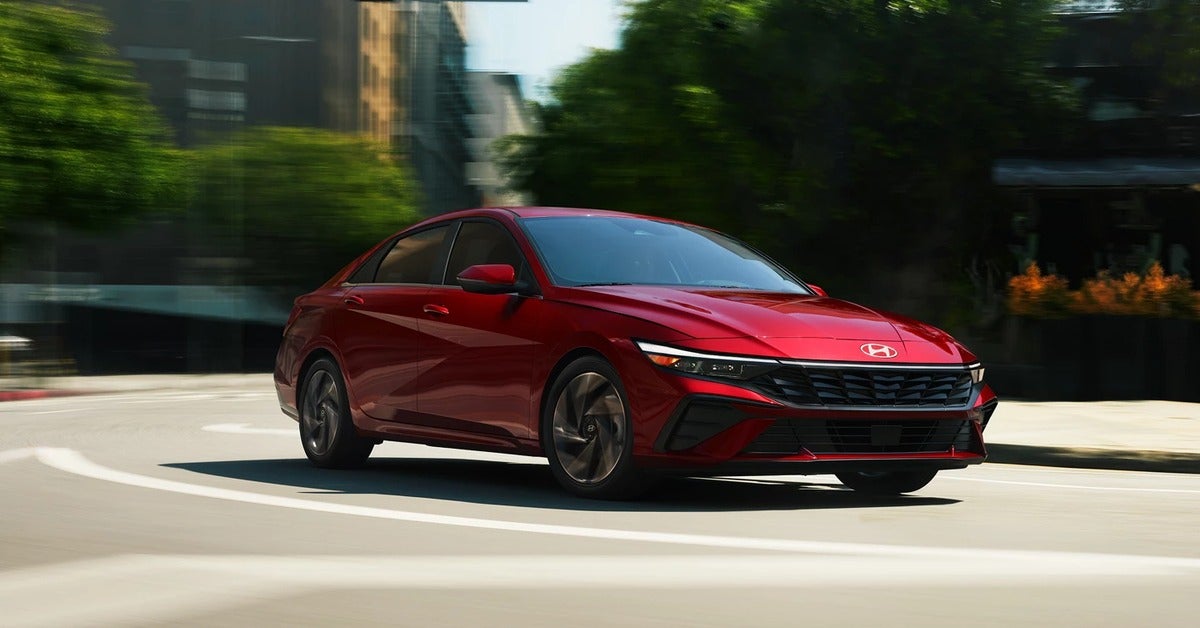
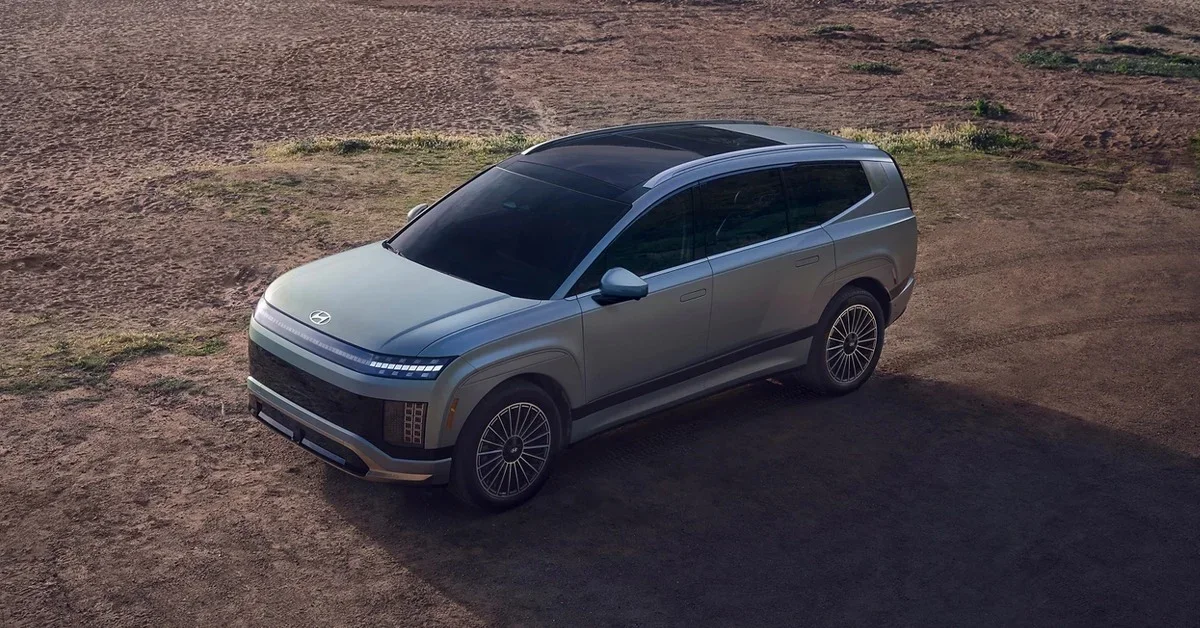
For most North Alabama drivers, a professionally installed Level 2 charger is the practical choice. It delivers considerably more charging capability than a standard household outlet and makes daily driving easier for EVs such as the Hyundai IONIQ 5, IONIQ 6, IONIQ 9, and Kona Electric. The right setup depends on your home, your driving habits, and the vehicle you choose.
Start by Choosing the Right Charging Level
There are two common ways to charge an EV at home. Level 1 charging uses a standard 120-volt outlet. It is the simplest option because it may not require new charging equipment or electrical work, but it charges slowly. It can work well for drivers with short commutes, plenty of time between trips, or a plug-in hybrid with a smaller battery.
Level 2 charging uses a 240-volt circuit, similar to the circuit used for a dryer or electric range. This is the preferred option for many full-EV owners because it adds meaningful range during an overnight charge. A Level 2 unit can be hardwired directly to your electrical system or connected through a properly installed outlet designed for EV charging.
Your vehicle’s onboard charging capacity also matters. A higher-amperage charger does not necessarily mean your vehicle will charge faster if the vehicle cannot accept that additional power. Before selecting equipment, check the charging specifications for the EV you are considering and discuss your expected driving routine with a knowledgeable EV specialist.
How to Install an EV Charger: Check Your Electrical Capacity First
The electrical panel is the foundation of a safe home charging installation. A licensed electrician should perform a load calculation to determine whether your panel has enough available capacity for a new dedicated 240-volt circuit. This review accounts for existing appliances and systems, including HVAC equipment, electric water heaters, ranges, dryers, and other major loads.
Many homes can accommodate a Level 2 charger with the addition of a new circuit. Others may need an electrical panel upgrade, a subpanel, or a lower-amperage charging configuration. Older homes, especially those with limited service capacity or full breaker panels, deserve extra attention.
Do not assume an unused outlet or an open breaker space is enough. EV charging is a sustained electrical load, often running for hours at a time. The circuit, breaker, wiring, outlet if applicable, and charger must all be correctly sized and installed for that use. This is a safety issue, not simply a matter of charging speed.
Pick a Location That Works Every Day
A charger should be convenient on an ordinary Tuesday night, not just possible to install. Start with where you usually park. Most homeowners install a charger in a garage, but a driveway or carport installation may also work when the equipment is rated for outdoor use.
Consider the charge port location on the EV you plan to drive. You want the cable to reach the port comfortably without stretching across a walkway, hanging where it can be damaged, or creating a tripping hazard. A charger mounted near the front of the garage may be ideal for one model but awkward for another.
Think about cable management as well. Many charging units include a holster or cord wrap that keeps the connector off the ground when it is not in use. If you are charging outdoors, choose equipment with an appropriate weather rating and ask the electrician how the wiring, conduit, and mounting hardware will be protected from moisture and physical damage.
The distance from the electrical panel can affect installation complexity. A charger mounted on the wall near the panel may require less wiring than one installed at the end of a long driveway. That does not mean the closest location is always best. Convenience, safety, and everyday usability should lead the decision.
Choose a Charger With Features You Will Use
A basic Level 2 charger may be all you need. It delivers power safely, connects to the vehicle, and allows you to charge overnight. For many owners, that is the best value because it keeps the setup simple.
Smart chargers add Wi-Fi connectivity, scheduling, energy-use tracking, and sometimes the ability to adjust charging output through an app. These features can be useful if your utility offers time-of-use rates, if you want to monitor household energy consumption, or if more than one EV will share the charger.
A hardwired charger is a popular long-term choice because it eliminates the outlet connection and can support higher charging output when the electrical system allows. Plug-in chargers can offer flexibility if you may move or replace the unit later, but the outlet must be properly rated and installed for continuous EV charging. Ask the electrician which option makes the most sense for your home rather than selecting a unit based on advertised features alone.
Permits and Professional Installation Matter
In Huntsville and surrounding North Alabama communities, electrical work may require permits and inspections depending on the project and local jurisdiction. A qualified electrician can help identify the applicable requirements, pull permits when needed, and arrange the required inspection.
It may be tempting to treat an EV charger like any other appliance installation. That approach can create avoidable problems. Incorrect wire sizing, loose connections, unsuitable outlets, or an overloaded panel can lead to failed inspections, charger faults, and serious electrical hazards.
Choose an electrician with EV charging experience, not just general residential experience. During the estimate, ask whether the quote includes the dedicated circuit, breaker, wiring route, wall mounting, permit process, inspection coordination, and any panel upgrades that could be necessary. Clear answers up front help prevent surprises later.
If you rent your home, live in a condo, or belong to a homeowners association, get written approval before work begins. Multi-unit properties can involve shared electrical infrastructure, designated parking spaces, association rules, and additional coordination with the property owner.
What Happens on Installation Day
Once the equipment and electrical plan are selected, the electrician will install the dedicated circuit from the panel to the charger location. Depending on the route, wiring may run through walls, attic spaces, a crawlspace, surface-mounted conduit, or underground conduit for an exterior installation.
The charger is then mounted, connected, and tested. The electrician should verify breaker operation, grounding, connection security, and charging performance. If the charger has smart features, this is a good time to set up the app, connect it to your home network, and confirm any charging schedule you want to use.
After required inspections are complete, charge your EV for the first time while following the vehicle and charger instructions. Check that the connector fits securely, the cord stays clear of doors and foot traffic, and the charging session begins as expected. If you notice repeated interruptions, error messages, heat at the outlet or connector, or breaker trips, stop using the equipment and contact the installer.
Plan for Your Next Vehicle, Too
A charging setup should fit your current EV, but it is wise to consider what may change in a few years. Your household may add a second electric vehicle, a teen driver, or different work schedules that make charging demand less predictable. Installing conduit or choosing a panel configuration that leaves room for expansion can save time and disruption later.
That does not mean every household needs the largest charger or a major electrical upgrade. A lower-amperage Level 2 charger may be more than enough if you drive a typical daily commute and charge overnight. The best installation is the one that safely meets your actual needs without paying for capacity you will not use.
Before bringing home an EV, make home charging part of your vehicle-shopping conversation. Bentley Hyundai can help you compare the charging needs of Hyundai EVs and plug-in hybrid models, so you can choose a vehicle and home setup with confidence. A well-planned charger gives you the freedom to start each day with the range you need and the reassurance that your vehicle is ready when life moves quickly.
Frequently Asked Questions
Do I need a permit to install a Level 2 EV charger in Huntsville or Madison?
Adding a dedicated 240-volt circuit is electrical work, and many Alabama cities and counties require a permit and inspection for it. Rules differ between Huntsville, Madison, and unincorporated Madison County, so ask your licensed electrician to confirm what applies at your address and to handle the permit and inspection scheduling.
Can I install an EV charger outside in North Alabama weather?
Yes, when the charger is rated for outdoor use and installed correctly. Look for equipment with a weather rating suited to rain, humidity, and summer heat, and have the electrician protect wiring with proper conduit. Mount the unit where the cable stays off the ground and away from standing water. Occasional ice is not usually a problem for outdoor-rated equipment.
Does my local power company offer EV charging programs?
Most of North Alabama is served by local power companies that distribute TVA power, such as Huntsville Utilities. TVA EnergyRight publishes EV information, and some local providers offer rate options or programs that change over time. Contact your utility directly to ask about current rate plans before you schedule charging, since availability differs by provider.
Which Hyundai EV charges fastest on a home Level 2 charger?
Home charging speed is limited by the vehicle's onboard charger and by the charger and circuit you install. Hyundai EVs differ in onboard charging capability by model and configuration, so check the specifications for the exact vehicle. The team at Bentley Hyundai can help you compare models and explain what charger output makes sense for your driving.