
Blog

How to Charge an EV at Home: Setup Guide

How to Charge an EV at Home: Setup Guide

Your EV should be ready when your morning starts, not when you find time to visit a public charger. Learning how to charge an EV at home gives most drivers the convenience they wanted from electric driving in the first place: park, plug in, and wake up with useful range for the day ahead.

For North Alabama households, home charging is usually the simplest way to handle school drop-offs, commutes to Redstone Arsenal, errands around Huntsville, and weekend plans. The right setup depends on your driving habits, your home's electrical capacity, and where you park, not on buying the most complicated equipment available.

Start With Your Daily Driving Needs

Before choosing a charger, think about how many miles you normally drive between nights at home. Many drivers do not need to refill an empty battery every evening. EVs are most convenient when charging becomes a routine, with the vehicle adding back the energy used during a typical day.

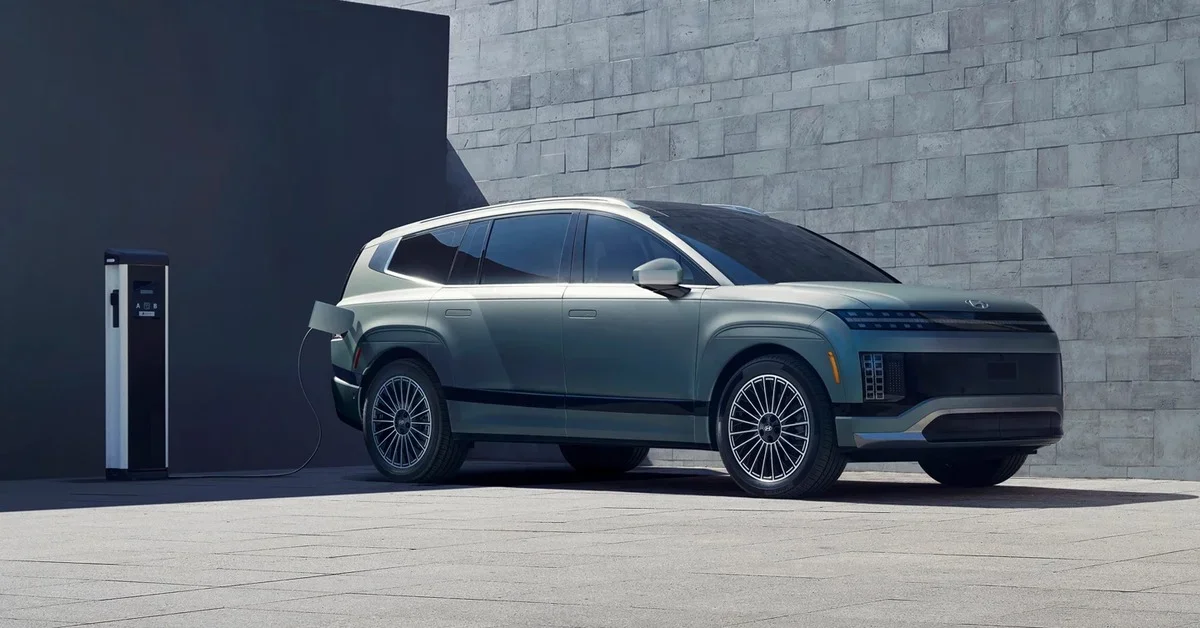
A shorter commute and regular overnight parking can make a standard household outlet a workable starting point. A longer daily drive, multiple drivers, or a vehicle that is often used for road trips may make a faster home charging setup the better fit. This is especially true for households considering an all-electric model such as the Hyundai IONIQ 5, IONIQ 6, IONIQ 9, or Kona Electric.

Battery level matters too. Most EV owners set a daily charge limit below 100 percent when they do not need maximum range. Check your owner's manual and vehicle settings for the recommended limit for your model. Saving a full charge for a longer trip can support good battery habits while leaving plenty of range for everyday driving.

How to Charge an EV at Home: Know Your Options

Home EV charging generally falls into two categories: Level 1 and Level 2. Both can be useful. The best choice is the one that matches your schedule and electrical setup.

Level 1 charging: the simple starting point

Level 1 charging uses a standard 120-volt household outlet. Many EVs include a portable charging cable that can be used this way, although equipment varies by model. It adds range slowly, so it works best for drivers who cover modest distances and can leave the vehicle plugged in for long stretches.

This option can be practical if you have a reliable, dedicated outlet near your parking space. Avoid using extension cords unless the charging equipment manufacturer specifically permits it. A charging cable draws power for hours at a time, which is different from briefly plugging in a small household device. If the outlet feels warm, looks worn, or shares a circuit with heavy appliances, have an electrician evaluate it before making it part of your routine.

Level 2 charging: faster overnight charging

Level 2 charging uses a 240-volt circuit, similar to the type used by many electric dryers or ranges. It requires a professionally installed charging station or appropriate outlet and can add substantially more range per hour than Level 1 charging.

For many EV households, Level 2 is the practical long-term choice. It gives you more flexibility if you drive farther than expected, arrive home with a lower battery, or share charging access with another electric vehicle. It can also make overnight charging easy even after a busy day around Huntsville, Madison, or Decatur.

A Level 2 station may be hardwired directly into your home's electrical system or plug into a correctly installed outlet. Hardwired units can reduce wear on an outlet and may offer a clean, permanent installation. A plug-in unit can be easier to replace or take with you after a move. Your electrician can explain which approach fits your panel, parking location, and local requirements.

Check Your Parking Space Before Buying Equipment

The charger needs to reach your vehicle comfortably without stretching the cable across a walkway, driveway, or garage door path. Measure the distance from the proposed charging location to the vehicle's charge port, then account for how you actually park. Charge-port locations vary by model, so a setup that looks convenient on paper may not be convenient in daily use.

Garage charging offers protection from weather, but it is not the only option. Outdoor-rated Level 2 equipment can work well for a driveway or carport when installed properly. Look for equipment rated for the environment where it will be used, and position it where the cable will not create a tripping hazard or get pinched by a vehicle.

Think ahead if you expect to change vehicles. A family moving from a hybrid to a full EV, or adding a second EV later, may benefit from an installation that leaves room for future electrical upgrades. You do not always need to install extra capacity immediately, but planning the wiring route and panel space now can prevent a more difficult project later.

Have a Qualified Electrician Evaluate Your Home

A home charging installation is an electrical project, not just a wall-mounted accessory. A qualified, licensed electrician should assess your electrical panel, available capacity, grounding, circuit requirements, and the distance to the charging location. They can also handle required permits and ensure the work meets applicable electrical codes.

Older homes may need an electrical-panel upgrade or load-management solution before adding a Level 2 charger. That does not mean home charging is out of reach. It simply means the right answer depends on what else your home uses at the same time, including HVAC equipment, electric water heating, cooking appliances, and laundry equipment.

Ask the electrician whether your chosen charger has adjustable amperage settings and whether your installation will support its intended output. More power is not automatically better if it creates an unnecessary strain on your electrical service. A properly sized circuit and charger can provide dependable daily charging without overbuilding the project.

If you are renting, speak with your landlord or property manager before making changes. Apartment and condominium residents may need approval, assigned-parking coordination, or a shared charging plan. A portable Level 1 charger may be an interim option, but only when a suitable outlet is available and authorized.

Build a Charging Routine That Works

Once your equipment is in place, home charging should require very little effort. Plug in after you park, set your preferred charge limit in the vehicle or charging app, and let the vehicle charge while it sits. Many drivers schedule charging for overnight hours, when the vehicle is already parked and electricity demand may be lower.

If your local utility offers time-based electricity rates, scheduled charging may help you take advantage of lower-cost periods. Rate plans differ, so review your utility's current options rather than assuming overnight electricity is always less expensive. The same advice applies to potential charging incentives or installation programs: availability and eligibility can change.

You do not have to plug in every single night. Some drivers prefer it because it creates a simple habit, while others charge every few days based on battery level and upcoming travel. The better routine is the one that keeps enough range available without becoming another item on your to-do list.

For road trips, public fast charging still has a role. Home charging handles the predictable miles of daily life, while fast chargers help you travel beyond your usual range. Treat those as complementary tools rather than competing options.

Keep Home Charging Safe and Reliable

Inspect the cable, connector, and outlet or charging station occasionally. Keep the connector clean and dry, and do not use equipment with visible damage. If your vehicle or charger reports repeated charging interruptions, error messages, unusual heat, or breaker trips, stop using that setup until the issue is checked.

Avoid running a charging cable where it can be driven over, crushed, or exposed to avoidable damage. When severe weather is expected, follow the charging equipment manufacturer's instructions. Modern EV charging equipment is designed with safety protections, but proper installation and everyday care still matter.

If you are shopping for an EV and want to see how the charge port, cable, and vehicle settings work in person, Bentley Hyundai can help you compare practical ownership details alongside range, cargo space, and your normal commute. A confident EV decision starts with a charging plan that fits your home as naturally as the vehicle fits your life.

Frequently Asked Questions

How long does it take to charge a Hyundai EV at home in Huntsville?

It depends on the vehicle's battery size, its onboard charger, the charger output, and how much energy you need to add. Level 1 charging adds range slowly over many hours, while Level 2 charging can typically replace a normal day of driving overnight. Check the charging specifications for your exact Hyundai for estimated times.

Does Alabama summer heat affect home EV charging?

Heat can affect charging and battery temperature. The vehicle may use energy to cool the battery while it charges, and a hot garage adds load. Parking in shade or a garage, keeping the charger out of direct sun when possible, and charging overnight when temperatures are lower can help. Follow your owner's manual for model-specific guidance.

Can I charge an EV at home if I live in an apartment in Madison?

Possibly. Some apartment communities offer shared or assigned charging, and some landlords allow a dedicated outlet or charger at a reserved space with written approval. If home charging is not available, workplace and public chargers can fill the gap, or a plug-in hybrid may fit better. Ask your property manager before you buy.

Should I charge my Hyundai EV to 100 percent every night?

Most owners set a daily limit below full and charge to 100 percent before a long trip, but the right setting depends on your model. Your owner's manual lists Hyundai's recommendation. You can usually set the charge limit and a charging schedule in the vehicle or through the Hyundai app, so the battery is ready when you leave.
Recommended Posts

Red Hyundai Elantra driving along an urban street

Car Dealerships Huntsville AL Shoppers Can Compare With Care

By Bentley Hyundai Team · Published November 16, 2026 When comparing car dealerships Huntsville AL shoppers can visit, look beyond the first vehicle that catches your eye. You want clear answers about the car, time to review records and a service plan that fits your routine. Bentley Hyundai is a place to begin that comparison, but use the same questions wherever you shop. This guide helps you check listings, plan a useful visit and review the details before deciding whether a particular store and vehicle meet your needs. It covers what to check online, what to watch for in person and how to compare the parts of a dealership that matter most once you own the car. Whether you live in Huntsville, Madison, Harvest or Athens, the same steps apply. Why the Dealership Matters as Much as the Car Many buyers focus all their research on the vehicle and pick a store almost by accident, usually the closest one or the first one that answers an email. That approach can work, but it leaves a lot to chance. Two stores can sell the exact same model, but the experience of buying and owning it can feel completely different. The dealership is where you test drive, arrange financing, trade in your old car and sign the paperwork. It is also where many owners return for oil changes, recalls and warranty repairs for years. Think of choosing a dealership like choosing a doctor or a mechanic. You want people who explain things clearly, respect your time and stand behind their work. A great price on paper means little if the process is stressful or the service department is hard to reach. That is why it pays to compare a few stores on more than one thing. Inventory, people, service and convenience all count. Do Your Homework Online First Most of the comparison work can happen from your couch. A dealership's website and its public reviews tell you a lot about how it does business. You can start on the Bentley Hyundai website in Huntsville and use the same checks on every other store you consider. Read reviews with a critical eye. Look at recent reviews on more than one site. A single bad review is not a red flag, since every business has an off day. Patterns are what matter. If several people mention pressure, surprise add ons or slow communication, take note. If many mention a specific salesperson or service advisor by name in a positive way, that is a good sign. Watch how the store responds. A thoughtful, specific reply to a complaint shows that someone is paying attention and trying to fix problems. Copy and paste replies tell you less. Check the inventory listings. Good listings include real photos of the actual vehicle, the VIN, the mileage and a clear list of features. Used listings should make it easy to request a vehicle history report. If a store shows only stock images or leaves out basic details, you may spend more time on the phone just figuring out what is available. Look for clear contact options. Can you find the address, hours and phone number in a few seconds? Is there a way to schedule service online? Small details like these hint at how organized the store is behind the scenes. For used vehicles, NHTSA recommends requesting a history report to check for odometer discrepancies. It also advises comparing the odometer with the title and maintenance or inspection records. Ask whether the store can help you review those records together. Separately, use NHTSA's VIN-based recall lookup to learn whether a specific vehicle needs a safety recall repair. You can practice this on the used vehicle listings at Bentley Hyundai, and if you are leaning toward a certified model, read our certified pre-owned Hyundai guide for Huntsville shoppers. Before you visit, call or message to confirm that the car you want is still there. Vehicles sell quickly, and a quick check keeps you from driving across town for a car that is already gone. If you like to begin the process from home, you can also see how Click to Buy online shopping works at Bentley Hyundai and decide how much of the process you want to start before you arrive. Make a short list before you leave home After an evening of research, narrow your options to two or three stores. Write down the specific vehicles you want to see at each one, along with the stock number or VIN. This keeps each visit focused and makes it easy to compare similar cars side by side. It also tells the salesperson right away that you have done your homework, which tends to make the conversation more efficient for everyone. Plan your visits for a time when you are not rushed. A weekday evening or an early weekend morning is often calmer than a busy Saturday afternoon, and you will get more attention from the staff. What a Good First Visit Feels Like Your first visit is a chance to see whether the online impression holds up. Pay attention to how the visit is handled from the start. Three things tend to separate a helpful store from a stressful one: A real conversation about your needs. A good salesperson asks how you drive, who rides with you and what you liked or disliked about your last car. They listen before they point you to a vehicle. If someone pushes a specific car before asking a single question, that is worth noticing. A test drive that fits your life. You should be able to drive on roads you actually use, including some highway. Ask to try the parking situation you deal with every day, whether that is a tight garage or a busy lot. A store that rushes you through a short loop is not giving you what you need to decide. Straight answers. Ask about warranty coverage, maintenance plans and what is included with the vehicle. Clear, direct answers build trust. If you hear vague replies or feel pressure to decide on the spot, it is fine to say you need time and leave. What to bring Bring your driver's license and proof of insurance so you can test drive without delay. If you plan to trade in a vehicle, bring it along with the title or loan information and both keys. A list of questions on your phone helps you remember everything you wanted to ask, especially if you visit more than one store in a day. Taking a photo of the window sticker or the vehicle's details on each car you drive makes the later comparison much easier. Look Past the Showroom to the Service Department The service department may be an important part of your ownership experience, so it deserves a close look before you buy. A quick walk through the service drive tells you a lot. Factory trained technicians: A franchised dealer has technicians trained on the brand it sells, plus access to factory tools and service information. Genuine parts: Ask whether the shop uses factory parts for repairs. Easy scheduling: Online booking and clear communication make routine visits much less of a hassle. Amenities: Look at the waiting area, shuttle options and whether loaner or rental help is available for longer repairs. Recall and warranty work: Franchised dealers can perform recall repairs and warranty work for their brand. Ask which maintenance services, if any, are included with the exact vehicle and purchase. Hyundai's published Complimentary Maintenance terms apply only to eligible vehicles and owners; do not assume that every new Hyundai includes the program. Ask to see the applicable terms and distinguish routine maintenance from warranty repairs. You can plan a visit through Bentley Hyundai's online service appointment form. Questions to ask a service advisor While you are in the service drive, ask a few quick questions. How far out are appointments usually booked? Is there a quick lane for oil changes? How will the shop contact you with updates during a repair? Can you approve work by text? The answers show how the department handles busy weeks, and the way the advisor responds tells you how you will be treated when you come back with a problem. Compare Car Dealerships Huntsville AL Drivers Visit on Paperwork Financing and trade-ins are where many shoppers feel the most unsure. A trustworthy dealership makes both easy to understand, so treat this part of the visit as its own comparison. Financing. Ask how the store works with lenders and whether you can start an application before you arrive. Getting the paperwork started early lets you focus on the car during your visit. You should be able to review every term, take your time and ask questions without feeling rushed. If you have your own financing lined up from a bank or credit union, a good dealership will respect that and work with it. You can begin the process with our secure finance application and have a conversation with our finance team when you come in. Trade-ins. A fair trade-in process is transparent. The appraiser should look at your car, take it for a short drive and explain what affects its value, such as condition, mileage, history and local demand. Ask how they arrived at their number. Bring your title or loan details, both keys and any service records, since a documented history can help. Paperwork. Before you sign, read each document and confirm that the VIN, mileage and any promised items are written down. A store that encourages you to read carefully is one that wants you back. If anything differs from what you discussed, ask for it to be corrected before you sign rather than after. Check Location and Service Convenience Convenience is easy to overlook when you are focused on the purchase, but it matters for years afterward. Think about how often you will drive to the store for service and how easy that drive will be. Location: A store near your home or work makes oil changes and repairs simpler. If you live in Madison, a dealership on the west side of Huntsville may be closer than you think. Hours: Check service hours, not just sales hours. Early drop off and Saturday service help working families. Brand focus: If you already know the brand you want, ask a franchised dealer about its current inventory and service training. Used selection: If you are open to several brands, look for a store with a broad used inventory, since trade-ins bring in many makes and models. Shoppers from Decatur and other nearby towns often find the drive to Huntsville worth it for a wider selection, as long as the service side is convenient enough to return to. It also helps to think about the full ownership timeline. A new vehicle may visit the service department regularly over the years you own it. Saving a few minutes of driving on each visit adds up, and a store that is easy to reach makes it more likely that you will keep up with scheduled maintenance. Regular maintenance protects the vehicle, supports warranty coverage and helps the car hold its value when you eventually trade it in. A Simple Scorecard for Your Dealership Visits Use this scorecard to keep specific notes on each store. Comparing written answers can be more useful than trying to remember how each visit felt. Category What to look for Online listings Real photos, VINs, clear features and quick replies to questions Reviews Positive patterns and thoughtful responses to complaints Sales experience Questions about your needs, no pressure, a real test drive Service department Trained technicians, easy scheduling, clear communication Finance and trade Open explanations and time to review every document Convenience Location, hours and an easy drive for future service Keep your notes and the exact listings together as you compare car dealerships Huntsville AL drivers can visit. Before deciding, ask each store to confirm the records, equipment and written terms that matter to you. Give yourself time to review those answers and choose the store and vehicle that fit your needs. Come Meet Our Team at Bentley Hyundai As you compare car dealerships Huntsville AL drivers can reach, visit Bentley Hyundai at 3805 University Dr and bring your own questions. Ask us to confirm the vehicle and records you want to see before you arrive. You can browse new Hyundai inventory in Huntsville or learn more about our dealership and team while planning your visit. Bring your scorecard, take your time and hold us to the same standard you hold every other store on your list. Frequently Asked Questions Should I buy from a franchised dealer or an independent lot? Both can work. A franchised dealer sells new vehicles for a specific brand, has factory trained technicians and can handle warranty and recall work for that brand. Independent lots may have a mix of used vehicles, so ask about inspections and coverage on each car. How many dealerships should I visit before I buy? Choose a short list based on the vehicles and services you need. Do early research online, confirm availability and give each visit enough time for a test drive and questions. There is no required number of dealerships to visit. Can I schedule a test drive ahead of time? Yes, and it is a good idea. Calling ahead lets the store have the vehicle ready and confirms that it is still available. It also gives you more time to drive and ask questions. Do I have to service my car where I bought it? Ask how the vehicle’s warranty treats routine maintenance, and follow its maintenance requirements. Keep receipts and service records. For a particular warranty or recall repair, confirm the authorized service process and coverage with the manufacturer or dealer. What should I do if I feel pressured at a dealership? It is always fine to pause, say you need time and leave. A good dealership will give you the information you asked for and follow up respectfully. Taking a night to think it over is a normal part of a big purchase, and the right store will understand that. Sources (as of October 22, 2026) Odometer Fraud | NHTSA (as of October 22, 2026) Check for Recalls | NHTSA (as of October 22, 2026) Hyundai Complimentary Maintenance (as of October 22, 2026) Vehicle availability, pricing and finance terms must be confirmed with Bentley Hyundai. This article is general shopping guidance and is not a vehicle price, payment quote or offer of financing.

Blue Hyundai Tucson driving on a dirt trail with hills behind it

Hyundai Alabama Plant News: New Investment and the All New Tucson Built in Montgomery

By Bentley Hyundai Team · Published October 31, 2026 The Hyundai Alabama plant is getting a major round of new investment, and the all-new Tucson is part of the plan. Hyundai Motor Manufacturing Alabama, known as HMMA, announced investments of about $450 million for its Montgomery factory. Hyundai says the money supports future vehicle production, more engine building and next-generation propulsion technology. If you shop in Huntsville or anywhere in North Alabama, this is news about vehicles built in your own state. What Hyundai Announced About the Hyundai Alabama Plant Hyundai made the announcement at a special event at the Montgomery plant. Alabama Gov. Kay Ivey joined company officials and state and local leaders to celebrate it, and her office published its own release about the event. Hyundai Motor Company's president and CEO first announced the investments earlier, and the HMMA release brings them together as a package. Here is what the package covers, in the company's own terms: New engine production capabilities at the plant. Support for Extended Range Electric Vehicle technology, usually shortened to EREV. Preparations for future Hyundai vehicles, including the refreshed Santa Fe and the all-new Tucson. New equipment, tooling and manufacturing infrastructure for those programs. The new money also adds to what Hyundai has already put into the plant. HMMA's total investment is now nearly $2.2 billion since production began, according to the governor's office. These are corporate investment figures, and they describe the factory. Equipment and tooling are the unglamorous part of this kind of project. You do not see them from the road, but a plant cannot build a new vehicle without them. It helps to read the news for what it is. The release is about manufacturing. It is not a sales announcement, and it does not give an on-sale date for any vehicle. That matters, because a headline about a plant can sound like a headline about a showroom. This one is not. Which Hyundais Are Built in Montgomery Today HMMA's own website lists the plant's current work in a short sentence. It assembles the Hyundai Tucson, Santa Fe and Santa Fe Hybrid SUVs, plus the Santa Cruz Sport Adventure Vehicle. If any of those models is on your list, you are looking at a vehicle line with a Montgomery connection. Each one fits a different kind of driver: The Tucson is the everyday SUV for commuting, errands and school runs. The Santa Fe gives families and road trippers a larger SUV to consider. The Santa Fe Hybrid pairs an electric motor with the engine for shoppers who want to compare efficiency. The Santa Cruz pairs SUV-style comfort with an open bed, which suits weekend hauling and gear. Now the part the announcement leaves out. It does not say which trims or powertrains come from Alabama, and it does not say how many vehicles of each model the plant builds. So do not assume that every vehicle of a given model comes from the same factory. If where a specific vehicle was built matters to you, ask our team to check that exact vehicle before you decide. The plant has a long history in the state. HMMA calls itself Hyundai's first assembly and manufacturing plant in the United States. It is described as an independent manufacturing operation of Hyundai Motor Company, which is based in Seoul, Korea. HMMA's website says the plant currently provides employment for approximately 4,200 people. It is headquartered in Montgomery, and its team members live and work across Central Alabama. The company says the plant supports community work in education, health, cultural arts, diversity and environmental sustainability across the region. What the All-New Tucson Build Means for Shoppers The line most shoppers will notice is about the Tucson. HMMA says it is preparing for future production of the all-new Hyundai Tucson, and Hyundai's release says that production will begin before the end of 2026. The plant is also preparing for the refreshed Santa Fe. Production starting is a milestone. It is not the same as a Tucson arriving at a dealership. Hyundai's release does not say when the all-new Tucson reaches stores, and it does not say which trims or powertrains Alabama will build. We will not guess at either one. If you want to hear when Hyundai shares more, contact our team. So what should a Tucson shopper do in the meantime? Let your own timeline decide. If you need a vehicle soon, shop the current Tucson. You can see it and drive it before you decide. If you are in no hurry to replace your vehicle, you have time to watch the all-new Tucson story develop. If you are not sure, bring your questions. Our team can walk you through the current model and the news side by side. Plan ahead if you are thinking about waiting If waiting for the all-new Tucson is on your mind, a little preparation helps. Look at the condition and mileage of the vehicle you drive now, and think about how long it will serve you. Keep your service records together, since a well documented vehicle is easier to evaluate. When you are ready to compare options, our team can appraise your current vehicle and talk through what makes sense for your timeline. The current Tucson and the all-new Tucson are different generations. Treat them as different choices. A test drive of the one you can reach today tells you what you like and what you would want to compare later. If you would like to know who you would be working with, read more about the store on our about page. New Engines, Hybrid Technology and EREV Support The least flashy part of the announcement may be the most important. Hyundai says it is improving the powertrain operations at HMMA so the plant can build additional engine variants. The governor's office describes the plan as expanded engine production to support hybrid and extended-range electric vehicle technologies. Hyundai adds that the projects will increase manufacturing flexibility and help the plant meet changing customer demand. In plain terms, a powertrain is the engine, motor and related parts that make a vehicle go. A plant that can build more kinds of them can respond faster when shoppers lean one way or another. Hyundai is saying that it wants the Alabama plant ready to build more kinds of powertrains as demand changes. What is an EREV? It is an electric vehicle that also carries an onboard engine to extend how far it can go. Hyundai has not explained the details of its version in this release. Separately, the company has said that its first extended-range EV, the Santa Fe EREV, will be built at the Alabama plant. Ask our team and we will pass along what Hyundai shares. What can you do today? The Santa Fe Hybrid is already on the list of vehicles HMMA assembles. If you are curious how a hybrid feels in daily driving, a test drive answers that better than any article. Ask our team to set up a drive that includes some stop and go traffic as well as a highway stretch. Why Alabama-Built Matters to North Alabama Drivers Huntsville and Montgomery sit in different parts of the state, but they share an economy. The governor's office says HMMA and its suppliers have an annual economic impact of more than $5 billion. Hyundai says the new investments are expected to generate economic benefits throughout Alabama's automotive industry and supply chain. The governor called Hyundai and Alabama a winning team at the announcement. For many drivers, there is a simple pride in that. If you or someone you know works in manufacturing, engineering or logistics, a major plant in the state is a local story. It gives workers and their families a stake in the vehicles it builds. Whether you drive in from Madison, Decatur or Athens, that pride is fair to enjoy. If you want to see the work up close, the plant offers visits. HMMA's website says tour reservations may be made up to six months in advance. It is a good weekend idea for families who want to see how the vehicles they drive come together. HMMA also describes itself as deeply invested in the communities where its team members live and work. That is the company's description of its own role, and it is worth noting that a factory of this size touches far more households than the people on its payroll. Keep the practical side in view too. Where a vehicle was built does not decide whether it fits your life. The things that do are the things you can test: How the seats feel on your usual commute. Whether the cargo area fits your stroller, golf bags, toolboxes or gear. How the vehicle handles on the roads you drive every week. How easy it is to schedule service close to home. That last item is where a local store matters. Every Hyundai owner needs routine care, and recall work and warranty visits go through a store. You can book through our service appointment form at any time. How to Compare the Tucson, Santa Fe and Santa Cruz Today Plant news is a good reason to take a fresh look at the models Alabama builds. A smart comparison starts with your week, not with a spec sheet. Write down where you drive, who rides along and what you carry. Then match those notes to the vehicle. Start with the daily drive Think about the route you take most often. Many Huntsville drivers use University Drive and Interstate 565 every week. A vehicle that feels easy in traffic and calm at highway speed will matter more to you than a long list of features. Match the size to your household The Tucson suits many solo drivers, couples and small families. The Santa Fe gives you more room for passengers and gear. The Santa Cruz is the pick if an open bed solves a problem that an SUV cannot. Sit in each one and bring the people and items you carry most. Decide whether a hybrid fits A hybrid adds an electric motor to the mix, and the only way to know if you like the feel is to drive one. Ask our team to explain how the Santa Fe Hybrid works, then compare it with the gas models on your list. Plan a back to back test drive Drive the models you are considering on the same route, in the same session if you can. Pay attention to seat comfort, how far you can see, how loud the cabin gets on the highway and how easy it is to load cargo. Bring a passenger who rides with you often, and ask for their honest opinion. Notes taken right after each drive are more useful than memories a week later. Bring a short list of questions A visit goes faster when you know what to ask. Here are a few that fit this news: Which of these models can I drive back to back today? Where was this specific vehicle built, and which trim and powertrain is it? How does the current model compare with what Hyundai has said about the next one? What service plan fits the way I drive? Our team would rather answer your questions than guess at what you need. Look at used options too You do not have to buy new to enjoy a Hyundai. Our used inventory may include models that fit your needs, and our team can help you compare them with a new vehicle. See Today's Lineup at Bentley Hyundai The simplest way to turn plant news into a decision is to drive the vehicles. Browse the new Hyundai inventory at Bentley Hyundai, then contact our team to set up a Tucson, Santa Fe or Santa Cruz test drive that fits your schedule. The store is at 3805 University Drive in Huntsville, so you can stop in on your way along University Drive. What to Watch for Next From Hyundai This story is still moving, and there are a few things worth watching: When production of the all-new Tucson begins in Montgomery, as Hyundai said it will before the end of 2026. Details on which Tucson trims and powertrains Alabama will build. When the all-new Tucson reaches dealerships, which Hyundai has not announced in this release. More information on the refreshed Santa Fe and on EREV technology. Until Hyundai shares official details, you can learn what the current models offer and decide what fits your life. Our team is glad to help. Frequently Asked Questions Where is the Hyundai plant in Alabama? Hyundai Motor Manufacturing Alabama, or HMMA, is headquartered in Montgomery, Alabama. Hyundai describes it as an independent manufacturing operation of Hyundai Motor Company, which is based in Seoul, Korea. The plant assembles the Tucson, Santa Fe, Santa Fe Hybrid and Santa Cruz. Which Hyundai models are built at the Alabama plant? HMMA says it assembles the Tucson, Santa Fe and Santa Fe Hybrid SUVs, plus the Santa Cruz Sport Adventure Vehicle. The announcement does not say which trims or powertrains come from Alabama. If you want to know where a specific vehicle was built, ask our team to check it for you. When will the all-new Tucson be built in Alabama? Hyundai's release says production of the all-new Hyundai Tucson at HMMA will begin before the end of 2026. That is a production milestone, not a date for arriving at dealerships. Hyundai has not given an on-sale date in this release. How much is Hyundai investing in the Alabama plant? HMMA announced investments of about $450 million for future vehicle production, engine manufacturing and advanced propulsion technologies. The governor's office says HMMA's total investment is nearly $2.2 billion since production began. These are company investment figures. They say nothing about what any vehicle costs. Does the Alabama investment change which Hyundais I can shop today? The announcement is about future production. It does not describe changes to the vehicles you can shop now. Contact our team to ask about the models available at Bentley Hyundai and to hear when Hyundai shares more news. Sources (as of October 30, 2026) Governor Ivey Joins Hyundai to Celebrate Major Investment in Alabama Manufacturing (as of October 30, 2026) Hyundai Motor Manufacturing Alabama (HMMA) (as of October 30, 2026) Hyundai Motor Company Charts Profit-Driven Growth Roadmap at 2026 CEO Investor Day (as of October 30, 2026) Vehicle availability, pricing and finance terms must be confirmed with Bentley Hyundai. This article is general shopping guidance and is not a vehicle price, payment quote or offer of financing.

Blue Hyundai Tucson driving along a mountain road

Certified Pre-Owned Hyundai Huntsville: What the CPO Program Covers

By Bentley Hyundai Team · Published November 2, 2026 If you are searching for a certified pre-owned Hyundai Huntsville shoppers can trust, it helps to know what "certified" actually means before you visit a lot. A Hyundai Certified Pre-Owned vehicle is not just a used Hyundai with a sticker. It has met the maker's age and mileage limits. It has passed a manufacturer inspection. It comes with a history report and factory-backed coverage. This guide explains the Hyundai CPO program and how it differs from a regular used car. It also covers the models shoppers look for and how to shop one at Bentley Hyundai on University Drive. Program terms can change, so treat this article as general guidance. The dealership can confirm the certification and remaining coverage on any specific vehicle by its VIN. What Certified Pre-Owned Hyundai Huntsville Shoppers Get Hyundai calls its program Certified Used Vehicles, and most shoppers simply say CPO. The idea is simple. Instead of buying a used car and hoping it matches the listing, you start with a vehicle held to a published standard. Hyundai sets that standard, not the dealership. A certified Hyundai in Huntsville faces the same checklist as one anywhere else in the country. Three pieces make up the program: Eligibility limits: Only newer, lower-mileage vehicles qualify. A manufacturer inspection: The vehicle must pass a multi-point mechanical, safety and appearance inspection. Backed coverage and records: The vehicle comes with a powertrain limited warranty and a vehicle history report. Each piece matters on its own. The combination is what separates a CPO Hyundai from the rest of the used market. Age and mileage limits Hyundai Certified Used Vehicles must be 6 model years old or newer with no more than 80,000 miles. That limit is why certified inventory skews toward recent model years. An older Hyundai with low miles can still be a good vehicle, but it will not carry the certification. The inspection Hyundai lists a 173-point mechanical, safety and appearance inspection, while noting that inspection-point counts can differ for electric, hybrid and plug-in hybrid vehicles. A long checklist does not guarantee a flawless car. It is fair to ask the dealership for the completed inspection record on the exact vehicle. That record tells you more than the point count. The powertrain warranty and history report The Certified Used Vehicles Powertrain Limited Warranty runs up to 10 years or 100,000 miles, whichever comes first. The key detail is how it is measured: from the original in-service date and total vehicle mileage, not from the day you buy the car. The clock does not restart when you buy used. A certified Hyundai that is a few years old has already used part of that coverage period. Hyundai also includes a detailed CARFAX Vehicle History Report with Certified Used Vehicles. Coverage, deductibles and exclusions are governed by the program documents. Read them before you sign and ask the dealer to confirm the remaining coverage by VIN. How a CPO Hyundai Differs From a Regular Used Car A regular used car can be an excellent purchase. The difference is not that one is good and the other is bad. It is how much of the work is already done for you and how much is left to you. Question Certified Pre-Owned Hyundai Regular used car Age and mileage Must meet Hyundai's limits of 6 model years and 80,000 miles Any age and mileage Inspection Manufacturer multi-point inspection Varies by seller, so ask what was checked Warranty Hyundai powertrain limited warranty measured from the original in-service date Remaining factory coverage, if any, or a separate plan History report CARFAX report included Ask for one and read it yourself Selection Newer vehicles, mostly Hyundai Wider range of makes, ages and mileage When certified is the better fit CPO tends to suit shoppers who want a newer vehicle and value a published standard. It also suits those who prefer coverage that is easy to understand. If you plan to keep the vehicle for years, the powertrain coverage and the documented inspection give you something concrete to point to if a question comes up later. When a regular used car makes sense A regular used Hyundai, or a vehicle from another brand, can make sense in a few cases. You may want an older model year. You may need a higher mileage than the program allows. Or you may want a body style that is not available as a certified unit. In that case, the shopping steps below matter even more, because you are doing the checking that certification would otherwise handle. Hyundai Models Huntsville Shoppers Look For Huntsville drivers commute on Memorial Parkway, Interstate 565 and University Drive. They haul gear out to the lake and drive family across North Alabama. Hyundai's lineup covers those routines with a range of sizes. Availability changes daily, so use this section to decide what to look for, then check the current list on our used inventory page. Hyundai Tucson The Tucson is one of the most common stops for shoppers who want a compact SUV. It mixes a higher seating position with a flexible cargo area, which works for a daily commute, school runs and weekend errands. If you are searching for a used Hyundai Tucson in Huntsville, compare model years, trims and drivetrain options. Check whether all-wheel drive is on the specific vehicle if that matters to you. Hyundai Santa Fe The Santa Fe sits a size up from the Tucson and appeals to households that need more room for passengers and cargo. Check rear-seat space with your own car seats or bags in place, and measure your garage if parking is tight. Hyundai Elantra For a commute with plenty of interstate miles, the Elantra is a natural sedan to consider. Sedans sit lower, are easy to park near campus or downtown and can handle a small family with a roomy back seat. Check the trunk opening if you carry bulky items. Hyundai Palisade The Palisade is the choice for shoppers who need a third row. If you carpool or host visiting family, test access to the back row with a car seat installed in the second row. Confirm that the cargo space behind the third row meets your needs. Hyundai Kona The Kona is a smaller crossover for drivers who want a higher seating position without a large footprint. It is a good test drive for city parking and short commutes. It is also worth comparing against the Tucson if you are deciding between small and compact SUVs. Other Hyundai models, such as the Sonata, Venue, Santa Cruz and IONIQ lineup, may also appear in used inventory. Because inventory changes, ask the dealership to confirm the exact vehicle and whether it carries the certification before you plan a trip. How to Shop a Certified Pre-Owned Hyundai Certification does not replace your own homework. It gives you a stronger starting point. A few steps help you confirm that the vehicle in front of you matches the paperwork. Step 1: Confirm certification by VIN Ask the dealership to confirm that the specific vehicle is certified, not just that certified Hyundais are sold there. Then ask what coverage remains based on the original in-service date and the current mileage. Write down the answer for each vehicle on your short list. Step 2: Ask for the documents Request the history report and the completed inspection record. Read them with the vehicle in front of you. Look for title status, reported accidents, ownership history and service records. NHTSA recommends requesting a history report to check for odometer discrepancies. A report is a useful starting point, but it does not replace looking at the car. Not every repair or minor accident gets reported. Step 3: Check recalls by VIN NHTSA's recall lookup lets you check whether a specific vehicle needs a safety recall repair by using its VIN. If a result needs attention, ask an authorized service provider how the campaign applies to that vehicle. Resolve questions about safe operation before driving away. Step 4: Test drive on your own roads A quick loop around the block will not tell you much. Allow enough time to drive the roads you use every day, including a stretch of highway. Here is what to pay attention to: Walk around the vehicle in daylight and look for uneven panel gaps, mismatched paint and uneven tire wear. Run the air conditioning at full cold and test the heat. North Alabama summers are hard on cooling systems. Try every window, lock, seat adjuster, screen and charging port, and pair your phone. Listen for clunks over bumps and squeals under braking. Merge onto the highway and make sure the engine pulls without hesitation. Watch the dashboard for warning lights during and after the drive. Step 5: Read the paperwork before you sign Confirm that the VIN on the paperwork matches the vehicle and check the mileage. Make sure any promised repairs or add-ons are written down. Ask about anything you do not understand. There is no reason to rush this step, and a good salesperson will answer plainly. What Certification Does Not Do Certification does not mean a vehicle is free of wear. A powertrain limited warranty is not a bumper-to-bumper plan. Tires, brake pads and other normal wear parts are generally maintenance costs that stay with the owner, and the program documents spell out what is covered. Certification also does not replace your own judgment. For extra reassurance, ask about an independent pre-purchase inspection and schedule it before you sign. Together, the certification, the records and your test drive give you a full picture. Planning Around the Whole Cost of Ownership The purchase is only one part of what a vehicle costs. Insurance, fuel, tires, routine maintenance and registration all come with it. Two vehicles that look alike on a lot can cost different amounts to own. Insurance: Get quotes on two or three specific vehicles before you shop. Rates can change by model and age. Fuel: Compare EPA ratings for the exact model year you are considering. Small differences add up over a long commute. Tires and brakes: Check tread depth and ask when the brakes were last serviced. Financing: It helps to know your options before you visit. You can start on our online finance application and see where you stand. Setting a comfortable range for the total cost keeps you from stretching for a vehicle that strains your budget later. Pricing, payments and finance terms must always be confirmed with the dealership for the specific vehicle. Trading In Your Current Vehicle If you have a vehicle to trade, gather the title or loan information, both keys and any service records before you visit. Clean it out and take photos for your own records. A trade-in appraisal is based on condition, mileage, history and local demand, so a well-kept vehicle with records tends to make a better impression. If you still owe money on it, ask how the balance would be handled and request a current payoff figure from your lender. Visit Bentley Hyundai on University Drive When you have a short list of certified and used Hyundai models, visit Bentley Hyundai at 3805 University Dr, Huntsville, AL 35816. You can browse our used inventory before you leave home and learn about Bentley Hyundai before meeting the team. We serve shoppers from Madison, Hampton Cove, Harvest, Decatur, Athens and the rest of North Alabama, and we welcome questions about the program. Ask us to confirm the exact vehicle's availability, whether it is certified and which records you can review. You can discuss finance options at your own pace, then request the full written terms before making a decision. A Quick Checklist to Bring With You Your three must-haves and three nice-to-haves The Hyundai models you want to compare, such as Tucson, Santa Fe, Elantra, Palisade or Kona Insurance quotes for the models on your list Your driver's license and proof of insurance for the test drive Title or loan details and both keys for any trade-in A notepad or phone notes for each vehicle you drive Certification gives you a clear standard, a documented inspection and coverage that is easy to explain. A few extra steps up front, confirming the certification by VIN and reading the records, is the surest way to drive home in a vehicle you will be happy with for years. Frequently Asked Questions What is a Hyundai Certified Pre-Owned vehicle? It is a used Hyundai that meets Hyundai's Certified Used Vehicles requirements: 6 model years old or newer with no more than 80,000 miles, a manufacturer multi-point inspection, a powertrain limited warranty and a CARFAX Vehicle History Report. Ask the dealership to confirm the certification for the exact vehicle by VIN. How is a CPO Hyundai different from a regular used car? A CPO Hyundai has to meet Hyundai's age and mileage limits, pass the manufacturer's inspection and carry the program's powertrain coverage. A regular used car can still be a good buy, but its inspection and coverage depend on the seller and the specific vehicle, so you need to verify more yourself. How long does the Hyundai CPO powertrain warranty last? Hyundai's Certified Used Vehicles Powertrain Limited Warranty runs up to 10 years or 100,000 miles, whichever comes first, measured from the original in-service date and total vehicle mileage. Coverage, deductibles and exclusions follow the program documents, so ask the dealer to confirm what remains on a specific vehicle. Which used Hyundai models can I find in Huntsville? Shoppers commonly look at the Tucson, Santa Fe, Elantra, Palisade and Kona, and other models such as the Sonata may appear too. Inventory changes, so check the current used inventory page and call Bentley Hyundai to confirm a specific vehicle is available and whether it is certified. Can I trade in my current vehicle when I buy a certified Hyundai? Yes, you can ask for a trade-in appraisal. Bring the title or loan information, both keys and any service records. If you still owe money on it, request a current payoff figure from your lender and ask the dealership how the balance would be handled. Sources (as of October 22, 2026) Hyundai Certified Used Vehicles (as of October 22, 2026) Check for Recalls | NHTSA (as of October 22, 2026) Odometer Fraud | NHTSA (as of October 22, 2026) Vehicle availability, pricing and finance terms must be confirmed with Bentley Hyundai. This article is general shopping guidance and is not a vehicle price, payment quote or offer of financing.