


A reliable vehicle can make work, family obligations, and everyday errands easier. It can also be a practical way to build auto credit, but only when the loan fits your budget and is handled responsibly from the first payment to the last.
For North Alabama shoppers, the goal is not simply getting approved. It is choosing a vehicle and financing plan that support your transportation needs without putting unnecessary pressure on your monthly budget. Whether you are buying your first vehicle, rebuilding after a financial setback, or preparing for a future upgrade, a few steady habits can make a meaningful difference.
What It Means to Build Auto Credit
Auto credit is not a separate credit score that follows different rules from the rest of your credit history. When a lender reports your auto loan to the major credit bureaus, your payment history, balance, and account status can become part of your overall credit profile.
A vehicle loan may help demonstrate that you can manage an installment account, a loan with a fixed term and scheduled payments. That can be useful for shoppers who have limited credit history or who want to add positive payment activity after rebuilding. Still, an auto loan is not a shortcut. Late payments, a loan that is too large for your budget, or applying with several lenders over an extended period can work against the progress you want to make.
The best approach is straightforward: borrow an amount you can comfortably repay, make every payment on time, and keep the loan in good standing.
Start With Your Full Credit Picture
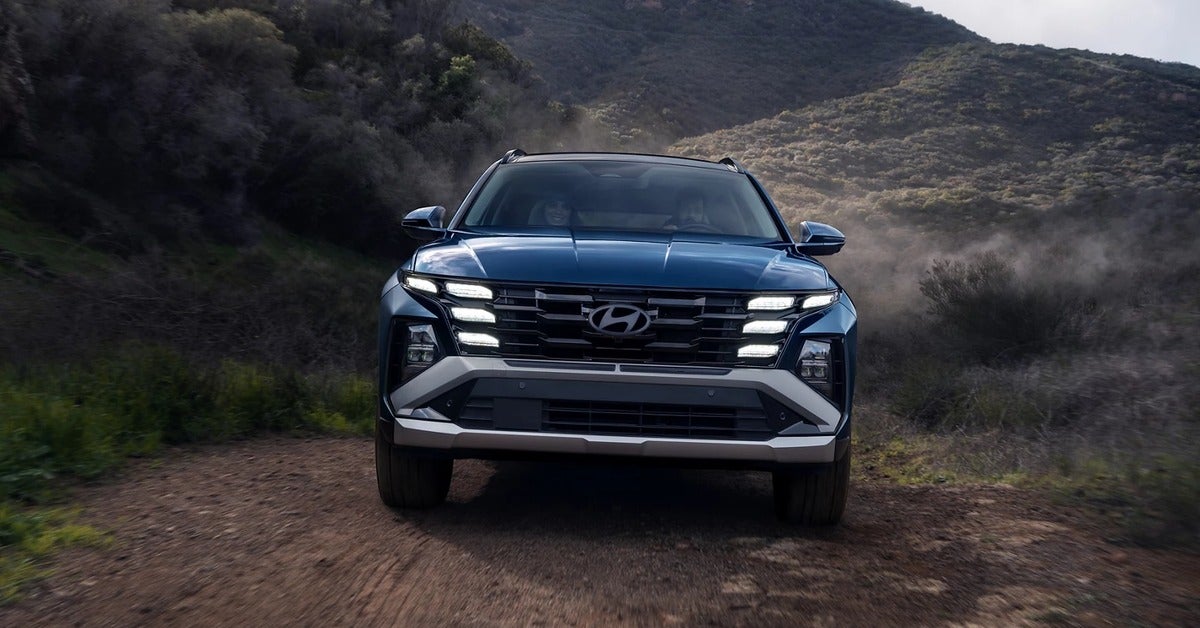
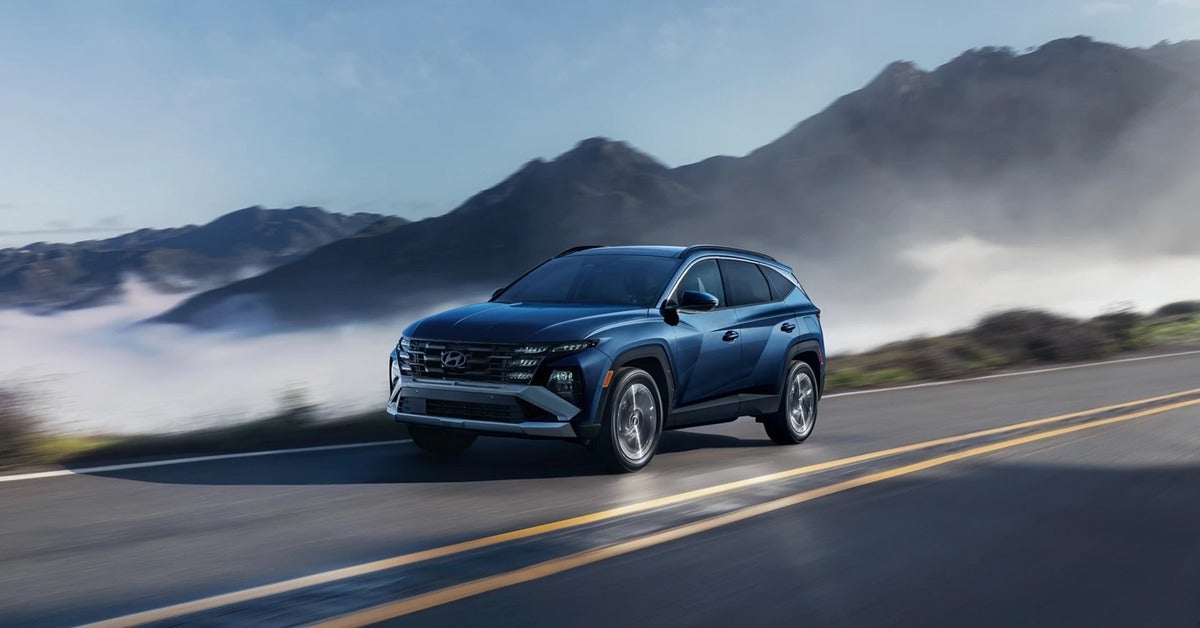
Before you shop for a Tucson, Santa Fe, Palisade, Kona, or a pre-owned vehicle, review your credit reports. Look for accounts you recognize, payment records that appear accurate, and balances that are current. If you find information that does not look right, address it before applying for financing when possible.
Your credit score matters, but it is not the only thing lenders consider. They may also review income, job history, housing costs, current debts, down payment, and the vehicle itself. A shopper with a modest score and stable income may have different options than someone with a higher score but heavy monthly obligations.
This is also the time to decide what monthly payment feels sustainable. Leave room for insurance, fuel or charging, maintenance, registration, and normal life expenses. A payment that looks manageable on paper can become difficult if it uses every bit of your monthly margin.
Choose a Loan That Helps More Than It Hurts
A longer loan term can lower the monthly payment, but it may also mean paying on the vehicle for more time and building equity more slowly. A shorter term can help you pay down the balance sooner, though the payment may be higher. There is no single right answer. The right term depends on your cash flow, down payment, vehicle choice, and financial priorities.
The same is true when comparing new and used vehicles. A newer Hyundai may offer current safety, technology, warranty coverage, and efficiency features that matter to your household. A used vehicle may better match a tighter budget or reduce the amount you need to finance. The stronger choice is the one that delivers dependable transportation while keeping the loan comfortable.
Avoid focusing only on the payment. Ask about the full structure of the financing, including the term, rate, amount financed, and any optional products you are considering. Clear answers now can prevent unwelcome surprises later.
Make On-Time Payments Your Main Priority
Payment history is one of the most influential parts of a credit profile. One missed payment can create problems that take time to recover from, while a consistent record of on-time payments can show lenders that you handle credit responsibly.
Set up a system before the first due date arrives. Many shoppers use automatic payments from a checking account, calendar reminders, or both. If you use autopay, keep enough funds in the account and review your statements regularly. Automation is helpful, but it should not replace paying attention.
If a financial emergency makes a payment difficult, contact your lender as early as possible. Waiting until after a payment is late limits your options. Lenders may have policies or resources that can help, but those conversations are usually more productive before the account falls behind.
Keep the Rest of Your Credit Healthy
An auto loan can be one positive part of your credit history, but it cannot fully offset trouble elsewhere. Keep existing accounts current, avoid taking on debt you do not need, and be thoughtful about opening multiple new credit accounts at once.
Credit card balances deserve special attention. Using a large percentage of your available revolving credit can affect your profile even when you make payments on time. Paying down balances and keeping utilization lower may strengthen your overall credit position while you make vehicle payments.
Try to keep vehicle shopping focused within a reasonable time window. Credit scoring models often recognize that consumers compare financing offers when buying a car, but the way inquiries are treated can vary by scoring model and lender. A dealership finance team can explain the application process and help you understand what documents may be needed before you apply.
A Down Payment Can Create More Flexibility
A down payment is not always required, but it can be helpful. Putting money down may reduce the amount financed, lower the payment, and give you more equity in the vehicle from the start. It can also give lenders added confidence in an application.
That does not mean you should drain your savings to make the largest possible down payment. Keep an emergency cushion if you can. The point is to create a balanced purchase plan, not to solve one problem by creating another.
A trade-in may also contribute toward your next vehicle. Knowing your current vehicle's condition, payoff amount if you still have a loan, and estimated trade value can make the conversation more productive. If you owe more than the vehicle is worth, be candid about it early so the financing plan reflects the full picture.
Build Auto Credit With the Right Vehicle Fit
The vehicle itself should support your ability to pay consistently. For a commuter traveling between Huntsville, Redstone Arsenal, Madison, and surrounding communities, fuel economy, reliability, and routine service costs may matter more than extra features. For a growing family, space and safety priorities may point toward an SUV. For EV-curious drivers, home charging access and driving habits should be part of the decision before choosing an IONIQ or Kona Electric.
A test drive is useful for more than choosing a color or checking cargo room. It is a chance to confirm that the vehicle suits your daily routine. The better the fit, the more likely you are to keep the vehicle, maintain it properly, and avoid needing to make another rushed purchase too soon.
At Bentley Hyundai, shoppers can start by searching inventory, estimating a trade-in, and getting pre-approved before visiting the dealership. Those tools can help you arrive with clearer expectations, while a finance professional can discuss available options based on your actual application rather than assumptions.
Do Not Treat Refinancing as a Guarantee
Some buyers plan to refinance after making on-time payments for a while. Refinancing may be worth exploring if your credit improves, market conditions change, or a different loan structure better serves your budget. But approval, rates, and savings are never guaranteed.
Before refinancing, compare the remaining balance, the new term, total repayment, and any fees. Extending the loan substantially may lower the payment but increase the time you remain in debt. The best refinance is one that improves your position, not simply one that postpones the balance.
Give Good Habits Time to Work
Credit improvement rarely happens overnight. The most dependable path is also the least dramatic: pay every bill on time, keep borrowing realistic, monitor your accounts, and avoid reacting to short-term pressure with a loan that does not fit.
If you are ready to shop, bring a realistic budget, proof of income, and questions about the terms that matter to you. A vehicle purchase should leave you feeling prepared for the road ahead, and each on-time payment can be a quiet step toward stronger credit and more choices later.
Frequently Asked Questions
Can I build credit with an auto loan as a first-time buyer in Huntsville?
Often, yes. Lenders look at income, job stability, down payment and the vehicle, not only a credit score. Bentley Hyundai has a first-time buyer program, and the finance team can explain which documents to bring. Choosing a modest vehicle and a payment that leaves room in your budget makes it easier to build a steady record of on-time payments.
Does a co-signer help me build my own auto credit?
A co-signer can strengthen an application when your history is thin, and the loan may appear on both credit reports. That also means a late payment can affect both of you, so the co-signer takes on real responsibility. If you use one, set up reliable payments from day one and ask the lender how the account will be reported in your name.
Do military members at Redstone Arsenal get special auto loan protections?
Some protections exist, but they have limits. The Military Lending Act covers many kinds of consumer credit, yet loans used to buy a vehicle and secured by that vehicle are generally excluded. The Servicemembers Civil Relief Act can help with some debts taken on before active duty. A military legal assistance office can explain the details, and the Bentley Hyundai finance team can walk through loan terms before you sign.
How long should I wait before trading in a car I financed to build credit?
There is no set timeline. Trading in early can leave you owing more than the vehicle is worth, and that gap may roll into your next loan. Many shoppers wait until they have a steady payment history and the payoff is closer to the trade value. Get a payoff quote and a trade appraisal on the same day to see where you stand.