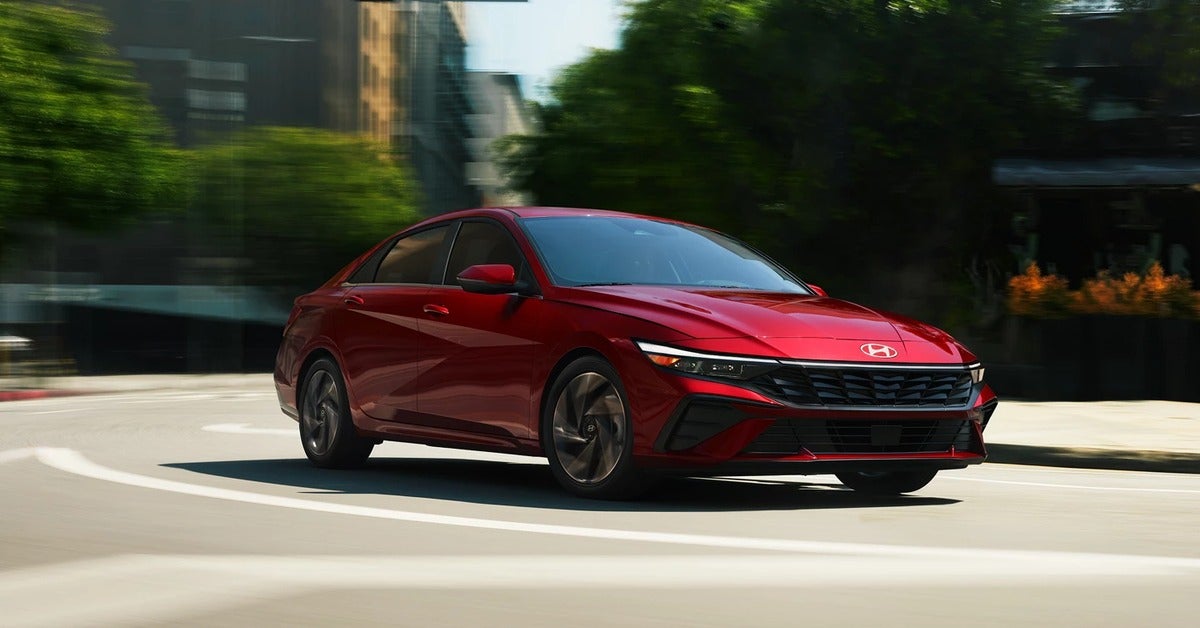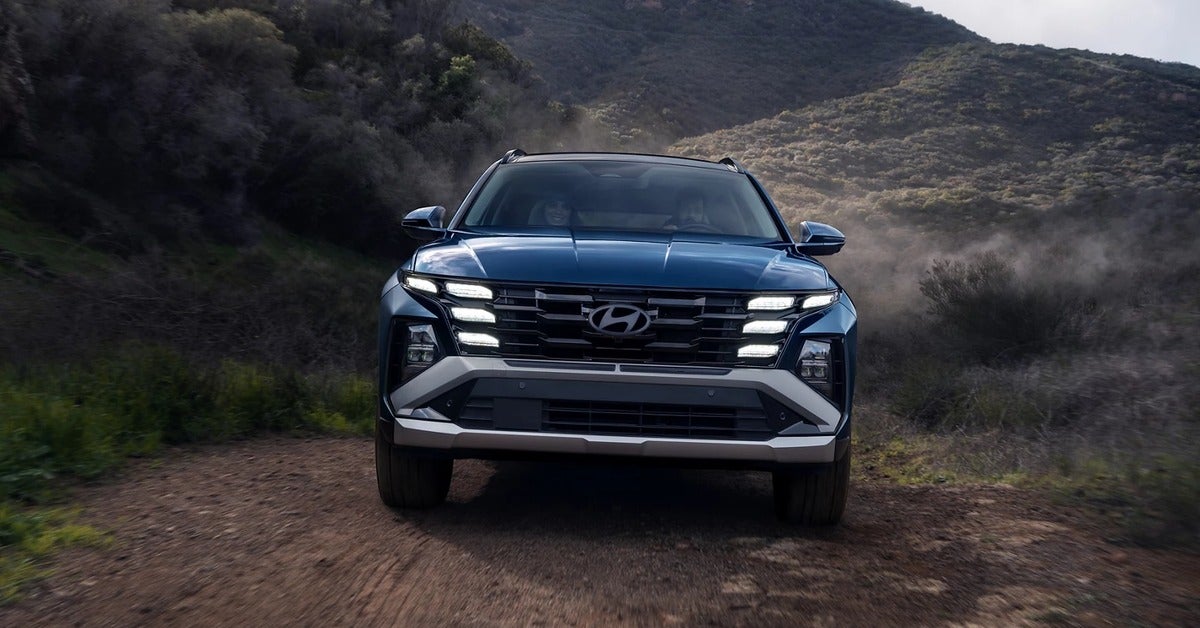



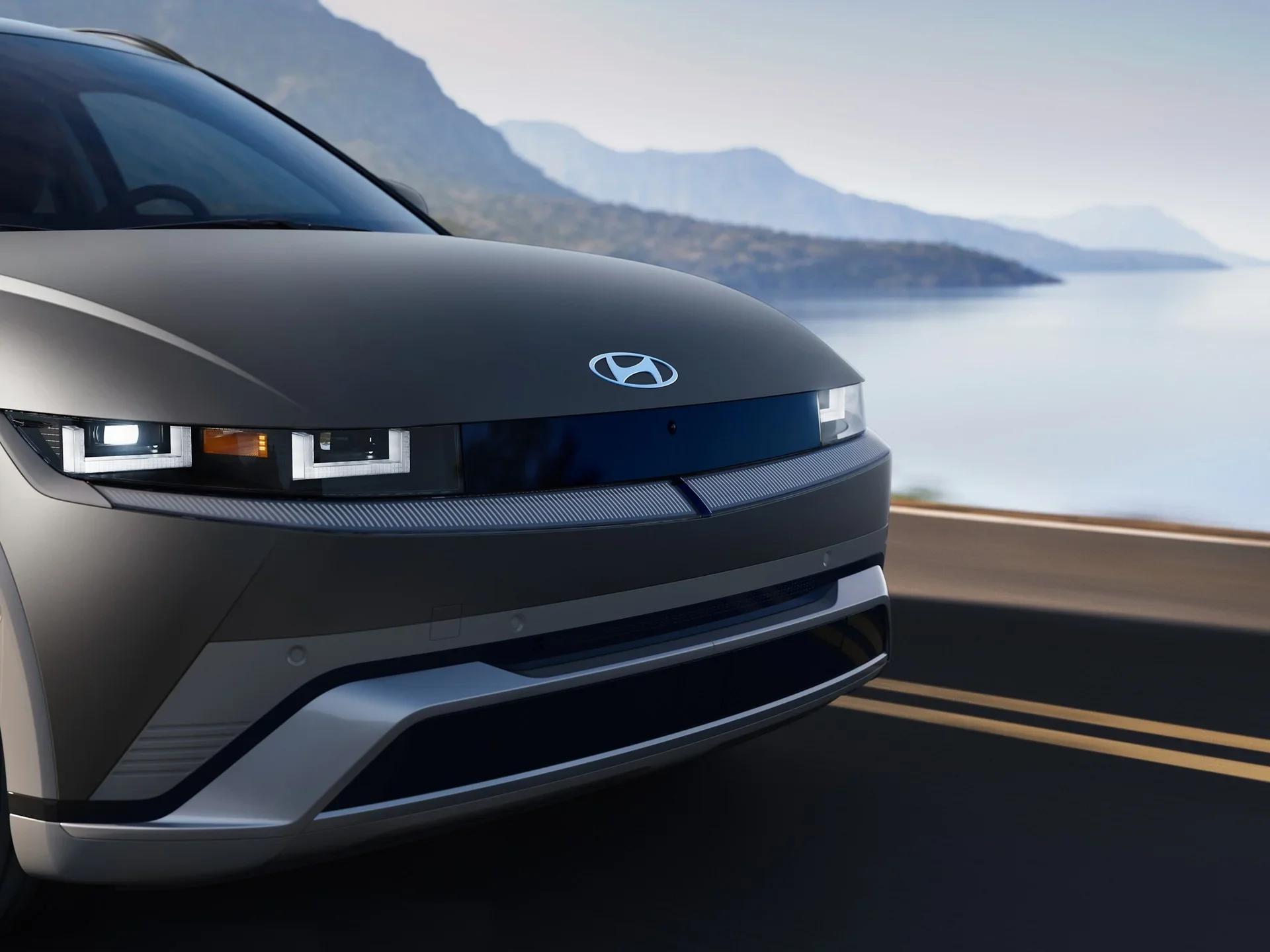
A lower fuel bill can make an electric vehicle look like an easy decision. But EV financing determines what ownership feels like month after month. The right structure can help you move into an IONIQ 5, IONIQ 6, IONIQ 9, or Kona Electric with a payment, term, and down payment that fit your household. The wrong one can turn a vehicle you love to drive into a budget headache.
For North Alabama drivers, the conversation is also bigger than the monthly payment. Commutes to Redstone Arsenal, charging access at home or work, trade-in equity, available incentives, and how long you plan to keep the vehicle all deserve a place in the decision. A little preparation before you apply makes it easier to compare choices confidently.
What EV Financing Actually Covers
EV financing works much like financing a gas-powered vehicle: you borrow an agreed amount and repay it over a set term, usually with interest. Your payment is shaped by the vehicle amount financed, your down payment or trade equity, loan term, interest rate, and any applicable taxes and fees.
Electric vehicles add a few considerations. Some models may qualify for manufacturer offers or lease incentives, depending on the vehicle, transaction structure, and your individual eligibility. Those programs can change, and tax rules are not one-size-fits-all. A dealership finance team can explain current vehicle offers, while a qualified tax professional can help with any tax questions. Federal EV tax credits are not available for vehicles acquired after September 30, 2025.
The goal is not simply to find the smallest payment. It is to choose a financing plan that supports the way you will use the vehicle and the financial flexibility you want to keep.
Start With Your Real Monthly Vehicle Budget
Before comparing models or loan terms, decide what a comfortable all-in vehicle budget looks like. Include insurance, charging, registration, maintenance, and your payment. EVs can reduce routine maintenance needs because they do not require oil changes and have fewer moving engine components, but tires, brakes, alignment, and regular inspections still matter.
Home charging can also affect the equation. If you plan to install a Level 2 charger, consider that project separately from the vehicle loan. Some buyers prefer to make the upgrade upfront, while others begin with the charging equipment included with the vehicle and add home charging later. What makes sense depends on your daily mileage, parking setup, and electrical capacity.
EV Financing Choices: Loan or Lease?
A traditional auto loan is often a strong fit for drivers who expect to keep their EV for several years. Once the loan is paid off, you own the vehicle outright. That can be appealing if you want long-term payment-free driving and expect the vehicle to serve your family well beyond the financing period.
Leasing can be worth a close look for drivers who like changing vehicles every few years, want a predictable term, or are interested in newer EV technology without committing to long-term ownership. Lease programs may also be structured differently when certain incentive rules apply. However, leases come with mileage limits and condition expectations at turn-in, so they are not automatically the best option for every driver.
For a Redstone Arsenal employee with a consistent commute and a preference for moving into the latest features every few years, a lease may be practical. For a family planning to keep a three-row IONIQ 9 or an IONIQ 5 through several stages of life, purchasing may offer more long-term value. Neither path wins in every situation.
How Loan Terms Change the Deal
A longer loan term generally lowers the monthly payment because the balance is spread over more months. The trade-off is that you may pay more interest over the life of the loan and build equity more slowly. That matters if you expect to trade in your EV before the loan is complete.
A shorter term usually means a higher monthly payment but less interest over time and a faster path to ownership. If your budget allows it, that can put you in a stronger position later. The best term is the one that leaves room for your other priorities, not the one that stretches your budget to its limit.
When reviewing offers, ask to see how different terms affect the payment and total financing cost. It is easier to make a sound choice when you can compare the same vehicle under more than one structure.
Your Trade-In Can Strengthen Your Position
Your current vehicle may be one of the most useful parts of your EV purchase plan. Its trade-in value can be applied toward the new vehicle, reducing the amount you need to finance. If you still owe money on it, the key number is not just its value but your equity: the difference between the trade value and payoff amount.
Positive equity gives you more flexibility. You can use it to lower the amount financed, reduce your payment, or potentially choose a shorter term. If you have negative equity, it does not necessarily stop you from moving into an EV, but it needs to be handled carefully. Rolling a remaining balance into a new loan can increase the amount financed and make it harder to build equity in the next vehicle.
Get a clear trade appraisal and payoff estimate before making assumptions. Bring both into the conversation early, especially if you are comparing a new Hyundai EV with a used vehicle or a hybrid alternative.
Credit Preparation Without the Guesswork
You do not need perfect credit to explore EV financing. Lenders consider multiple factors, including credit history, income, debt obligations, down payment, loan term, and the vehicle itself. The most productive approach is to be accurate and prepared.
Before applying, review your credit report for errors, gather proof of income if requested, and know your current monthly obligations. If you have a co-buyer, discuss the purchase plan together before submitting an application. A larger down payment may improve your options, but it should not empty the emergency savings you rely on.
Pre-approval can make the shopping process less stressful because it gives you a clearer starting point. It is not a promise that every vehicle and term will produce the same final offer, but it helps you focus on vehicles that fit your financial range. Bentley Hyundai can help you compare financing paths and explain the documents needed to move forward.
Incentives Need a Closer Look
EV incentives can be valuable, but they should never be treated as guaranteed savings until eligibility is confirmed. Requirements may involve the vehicle configuration, trim, financing through a specific lender, or whether the vehicle is purchased versus leased. Programs and manufacturer offers can also change during the year.
Ask clear questions: Is this incentive reflected in the transaction now? Is it a manufacturer offer, a lender offer, or a utility or other program you apply for later? What eligibility requirements apply? Answers should be specific enough that you understand what is included in your deal and what may require action after purchase.
This is especially important when comparing EV financing with leasing. A lease may have different available incentives than a purchase, but the total cost, mileage allowance, and end-of-term options still need to make sense for you.
Choose the EV That Fits How You Charge and Drive
Financing is easier to evaluate when you have chosen a vehicle that fits your actual routine. The Hyundai Kona Electric can suit drivers who want a compact, efficient EV for commuting and errands. The IONIQ 5 offers flexible space and distinctive design for households that need more room. The IONIQ 6 emphasizes streamlined electric driving, while the IONIQ 9 is built for shoppers considering a larger, family-oriented electric SUV.
Range matters, but daily driving patterns matter more. A vehicle with enough range for your regular commute, school activities, grocery runs, and occasional regional travel may be a better fit than paying for capability you rarely use. Think through where you will charge, how often you take longer trips, and whether access to public charging is a backup or a core part of your plan.
A test drive is where the numbers become real. Check rear-seat room, cargo access, visibility, driver-assistance features, charging-port placement, and how the vehicle feels on roads you use every day. A payment only feels worthwhile when the vehicle works for your life.
Questions to Ask Before You Sign
A straightforward finance conversation should leave you with no mystery about the core terms. Confirm the payment, term length, annual percentage rate, amount financed, total of payments, and whether any optional products are included. If you are leasing, confirm the mileage allowance, excess-mileage charge, maintenance expectations, and options at the end of the lease.
Also ask how the plan would look if you decide to trade earlier than expected. Life changes quickly: a growing family, a new assignment, a longer commute, or a change in work schedule can all affect your vehicle needs. Understanding your likely equity path now can prevent surprises later.
Bring your questions, your trade-in details, and an honest sense of your budget. The right EV financing plan should give you confidence when you leave the lot and make every drive afterward feel like a good decision.
Frequently Asked Questions
Is there still a federal tax credit for buying an EV in North Alabama?
No. The federal clean vehicle tax credit for EV purchases has ended, so do not count on it when planning a budget. Hyundai may still offer manufacturer incentives or special lease and finance programs that change over time. Ask Bentley Hyundai which offers apply to a specific vehicle today, and check any state or tax questions with a qualified tax professional.
Does Alabama charge an extra registration fee for electric vehicles?
Yes. Alabama adds an annual fee for battery electric vehicles and plug-in hybrids when you renew registration, because EV drivers do not pay fuel taxes at the pump. Include that fee in your yearly ownership budget alongside insurance, tires and home charging. Your county license office can confirm the current amount for your vehicle.
Should I lease or buy an EV if I might get new orders at Redstone Arsenal?
If a move is likely, ask how each option handles an early change. The Servicemembers Civil Relief Act can allow some service members to end a vehicle lease early after qualifying orders, while a loan can be paid off or the vehicle sold. Review mileage limits and turn-in terms too, and bring your timeline to the Bentley Hyundai finance team.
Can I include a home charger in my EV loan?
Usually a home charger and its installation are paid separately from the auto loan, so budget for them as their own project. Costs depend on your electrical panel, the distance to your parking spot and local permit needs. Get an electrician's quote early, and ask Bentley Hyundai whether any current Hyundai charging offers apply to the vehicle you choose.