


A home charger can change the way you think about driving. Instead of stopping for fuel on the way home, many EV owners plug in after dinner and start the next morning with the range they need. That everyday convenience is a major reason drivers are considering electric vehicles, but a smart purchase starts with an honest look at your commute, charging access, and vehicle needs.
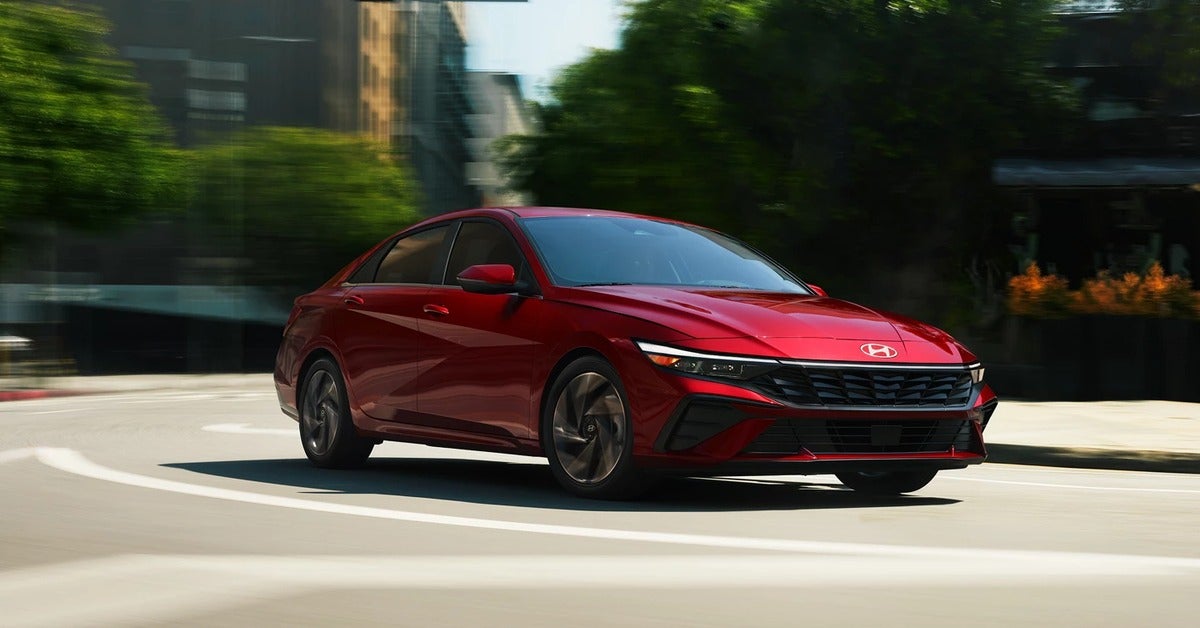
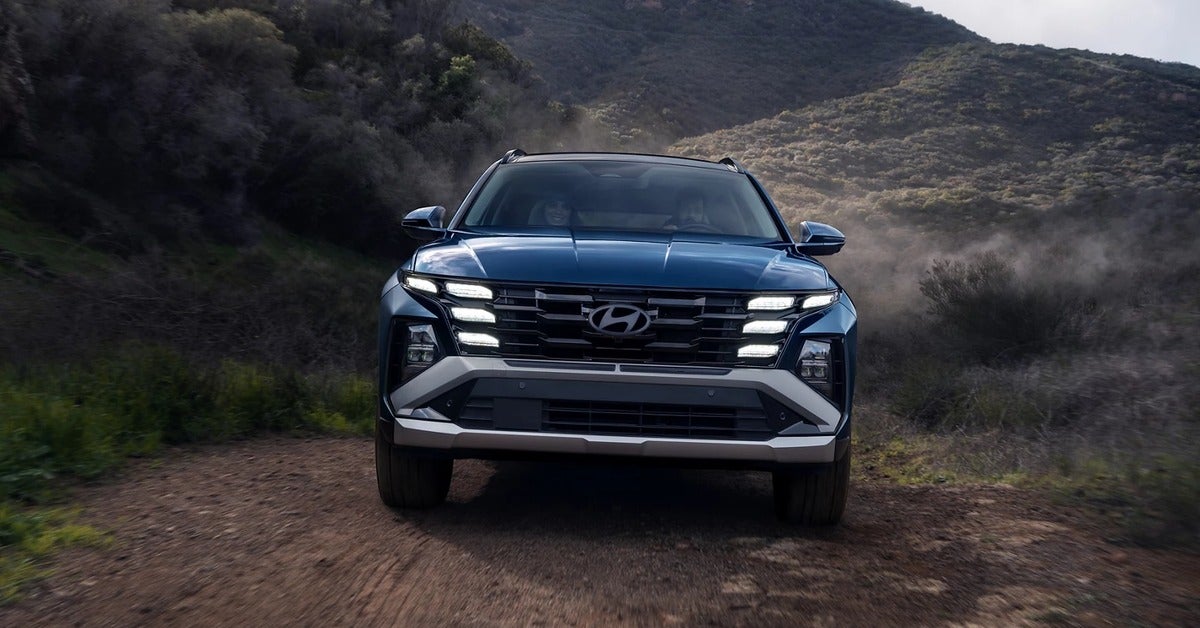
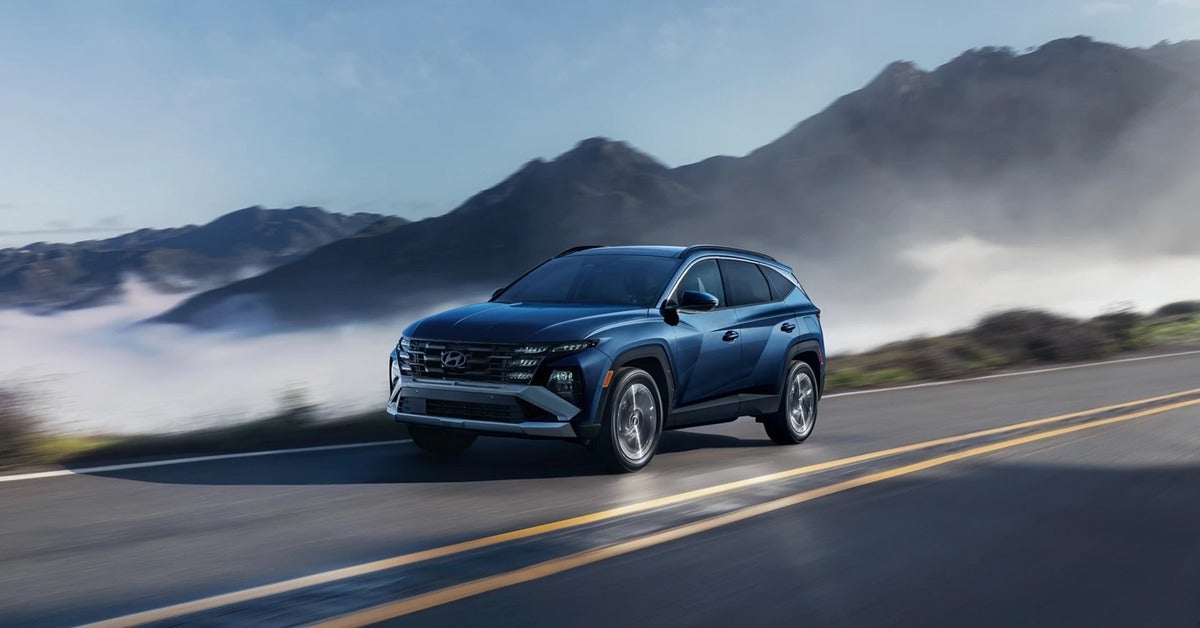
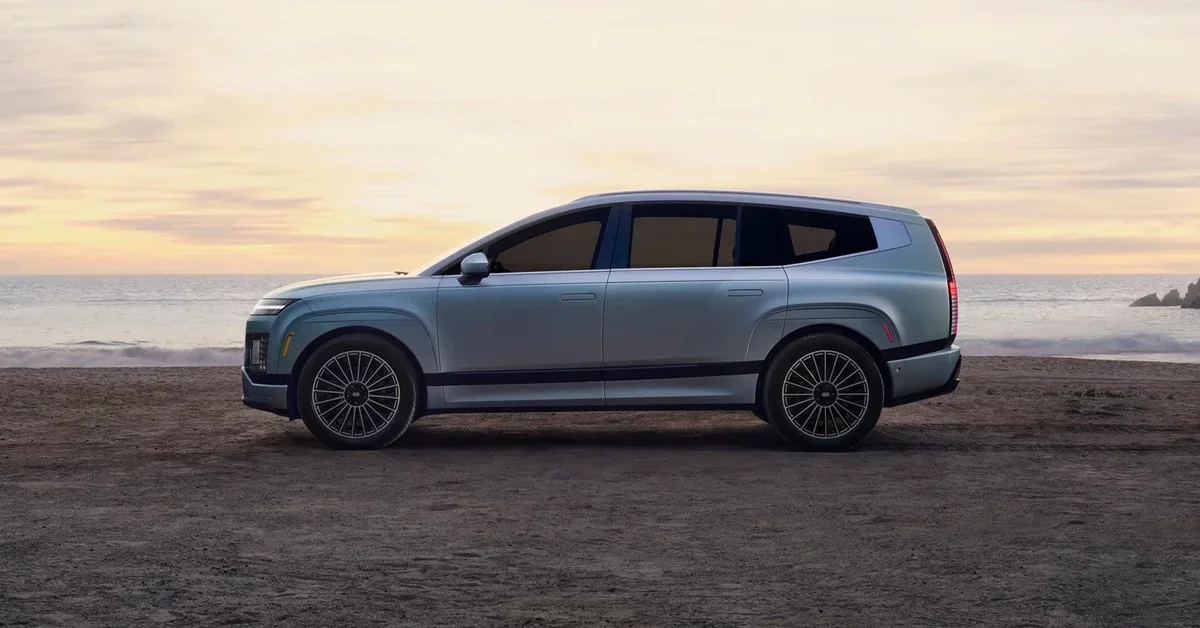
This electric vehicle ownership guide is built for North Alabama drivers comparing options such as the Hyundai IONIQ 5, IONIQ 6, IONIQ 9, and Kona Electric. An EV can be a practical fit for a Redstone Arsenal commute, school drop-offs in Madison, or regular trips between Huntsville and Decatur. The best choice depends less on following a trend and more on matching the vehicle to how you actually drive.
Electric Vehicle Ownership Guide: Start With Your Routine
Before comparing range figures or charging speeds, look at a normal week behind the wheel. How far do you drive on workdays? Can you charge where you park overnight? Do you make frequent highway trips, carry a full family, or need room for sports gear and weekend projects?
For many drivers, daily mileage is far below an EV's available range. That means a full battery is not usually necessary every morning. Regular overnight charging can keep the battery comfortably ready for work, errands, and unexpected plans without requiring a public charging stop.
Longer drives deserve separate consideration. Highway speeds, cold weather, cabin heating or air conditioning, elevation changes, and cargo can all affect range. That does not make an EV unsuitable for road trips, but it does mean route planning becomes part of the experience. Drivers who routinely cover long distances in a single day may place more value on fast-charging capability and access to charging stations along their usual routes.
Your vehicle size matters, too. A compact electric SUV may suit a commuter or smaller household well, while a larger electric SUV can make more sense for drivers who prioritize passenger space, cargo flexibility, and family travel. A test drive is the right time to check rear-seat comfort, storage layout, visibility, and how the vehicle feels on the roads you use most.
Charging at Home, Work, and on the Road
Charging is often the biggest question for first-time EV shoppers. The good news is that charging does not have to be complicated, but the right setup depends on your home and driving habits.
Level 1 charging uses a standard household outlet. It adds range gradually and can work for drivers with short daily commutes, especially when the vehicle sits parked overnight for extended periods. It is the simplest option, though it may not replenish enough range quickly for households that drive more often or share one EV.
Level 2 charging is the setup many owners prefer at home. It typically requires professionally installed equipment and can add range much faster than a standard outlet. If you have a garage, driveway, or dedicated parking area, ask an electrician to assess your electrical panel, parking location, and installation needs before choosing equipment. Renters and condo residents should review parking rules and available charging plans early in the process.
DC fast charging is designed for quicker stops away from home. It can be especially useful on road trips or busy days when you need meaningful range in less time. Charging speed is not identical from one station to another, however. The vehicle's battery state, station capability, battery temperature, and other conditions affect how quickly charging occurs. Many EVs also charge fastest when the battery is at a lower state of charge, then slow as it gets closer to full.
Public charging is a helpful backup for some owners and a primary resource for others. Before buying, check the chargers near your workplace, apartment, regular shopping areas, and common travel corridors. The goal is not to locate every charger in the region. It is to know whether your regular routine gives you dependable options.
Understanding Range Without Overthinking It
Advertised range is a useful comparison point, not a personal guarantee. A vehicle's actual range changes with conditions, just as fuel economy changes in a gasoline vehicle. North Alabama's summer heat can increase air-conditioning use, while cooler winter mornings can affect battery performance and heating demand.
Highway driving generally uses more energy than lower-speed city driving because wind resistance rises significantly at higher speeds. Towing, roof accessories, heavier loads, aggressive acceleration, and low tire pressure can also reduce range. On the other hand, regenerative braking can help recapture energy during deceleration, particularly in stop-and-go driving or on rolling terrain.
The practical approach is to leave a cushion. If your normal round-trip commute uses only a portion of the available range, you have room for traffic, weather, errands, and the occasional missed charging session. Drivers who operate close to their vehicle's maximum range every day may find ownership less convenient, even if the numbers technically work.
Maintenance Is Different, Not Nonexistent
Electric vehicles have fewer routine mechanical service needs than vehicles with conventional engines. There are no oil changes, spark plugs, or exhaust-system repairs in the usual sense. That can simplify scheduled maintenance, but EVs still need professional attention.
Tires, brakes, suspension components, cabin air filters, wiper blades, and coolant-related systems still require inspection and maintenance. Tire care is especially worth watching because EVs can be heavier than comparable gas vehicles and deliver strong instant torque. Correct tire pressure, regular rotations, and alignment checks help protect range, ride quality, and tire life.
Regenerative braking may reduce brake wear, but it does not eliminate the need for brake inspections. Software updates and battery-system checks also matter. Factory-trained technicians can follow the vehicle's maintenance schedule and address EV-specific systems with the right diagnostic equipment.
Financing, Trade-Ins, and the Total Ownership Picture
An EV decision should account for more than the vehicle itself. Consider your expected charging setup, insurance, registration, tire needs, and the way you plan to use the vehicle over time. Available incentives, utility programs, and tax considerations can change, and eligibility can depend on individual circumstances. A qualified tax professional can help you understand whether a particular program applies to you.
If you are trading a current vehicle, its value can help shape your next-step options. It is also worth comparing a new EV with a pre-owned option based on condition, remaining warranty coverage, battery health information when available, features, and charging capability. Newer models may offer different technology or charging performance, while a used vehicle may be the better fit for a value-focused buyer.
Financing conversations work best when they begin with your priorities. Some shoppers want to keep the monthly payment within a specific range, while others focus on term length, down payment, or the flexibility to pay down the balance early. Bring those priorities to the conversation so your options can be organized around what works for your household.
Questions to Ask During an EV Test Drive
A quick drive around the block will not answer every ownership question. Use the appointment to see how the vehicle fits your life. Ask the team to show you the charging-port location, cargo area, rear-seat access, driver displays, regenerative-braking settings, and route-planning features.
Pay attention to the driving experience as well. EVs are quiet, responsive, and smooth, which many drivers appreciate immediately. That instant response can feel different from a gas-powered vehicle, so take enough time to get comfortable with acceleration and one-pedal driving features if equipped.
At Bentley Hyundai, shoppers can get straightforward help comparing EVs with hybrids, gas models, and pre-owned vehicles. The right answer is not always an EV. For drivers without dependable charging access or with very specific long-distance demands, another powertrain may be the more convenient choice.
An electric vehicle should make your routine easier, not ask you to rebuild it. Check your charging plan, drive the models that fit your needs, and give yourself time to ask practical questions before choosing the vehicle you will rely on every day.
Frequently Asked Questions
Can I own an EV in Huntsville if I rent or live in an apartment?
It can work, but plan first. Look at public chargers near your home, workplace and regular stops, and ask your property manager about charging rules or plans. Drivers who can charge reliably at work may need little else. If dependable charging is hard to find, a Hyundai hybrid may be more convenient, and the Bentley Hyundai team can help you compare both.
How do I protect an EV battery during hot North Alabama summers?
Park in shade or a garage when you can, and leave the vehicle plugged in on very hot days so its battery thermal system has power to work. Avoid letting the battery sit at a very high or very low charge for long stretches unless you are about to drive. Following the charging guidance in your owner's manual supports long-term battery health.
Are EVs safe to drive on icy North Alabama roads?
EVs handle occasional ice much like other vehicles, and a low, heavy battery pack helps stability. Traction still depends on tires, speed and following distance, and available all-wheel drive on some Hyundai EVs adds confidence. Cold mornings can reduce range and slow charging, so warm the cabin while plugged in and leave extra margin when winter weather is in the forecast.
Where can I service a Hyundai EV near Madison and Decatur?
Bentley Hyundai in Huntsville is an authorized Hyundai dealer, so it can handle warranty work on Hyundai EVs as well as routine items such as tire rotations, brake inspections and cabin air filters. Many new Hyundai models also include complimentary scheduled maintenance for a limited period, so ask which coverage applies to your vehicle when you buy and when you book service.