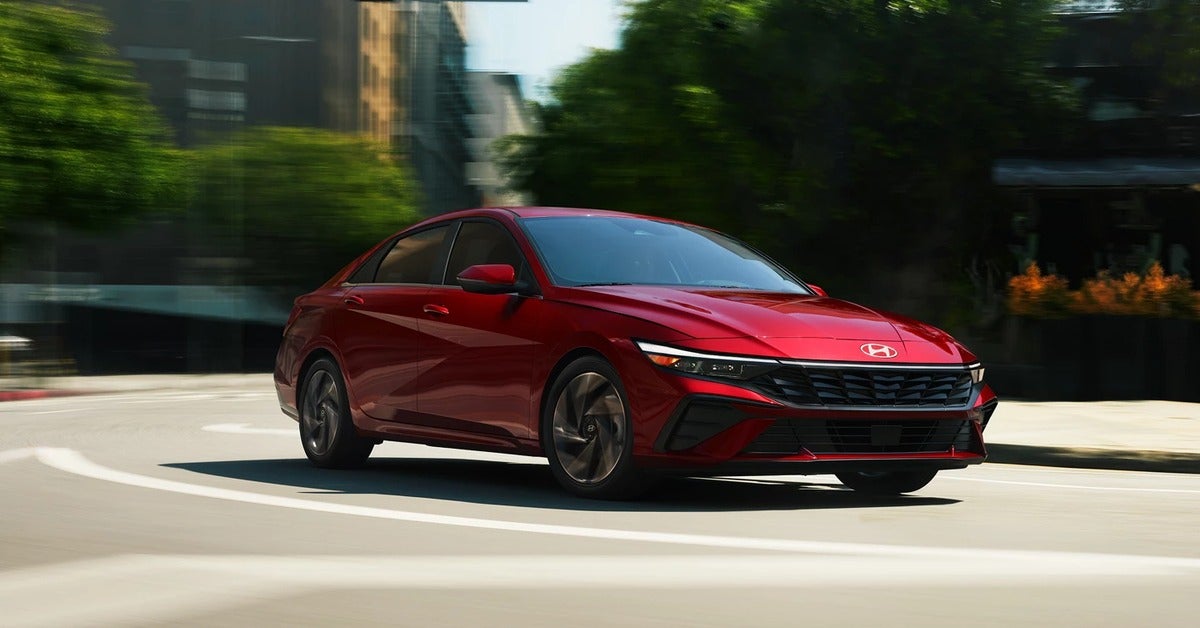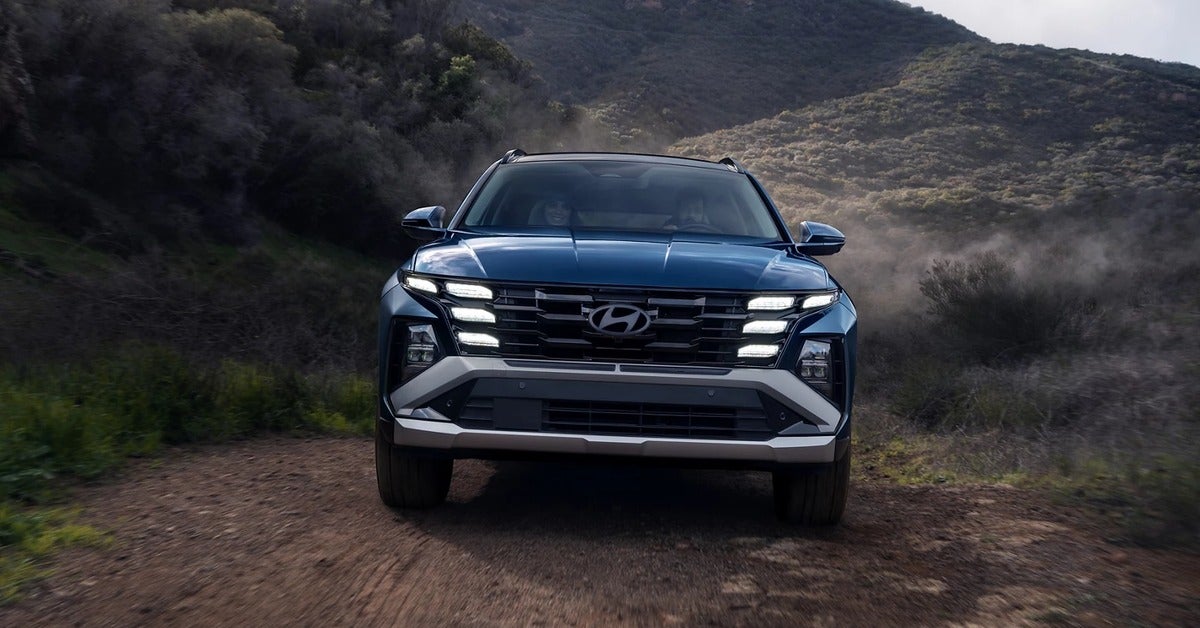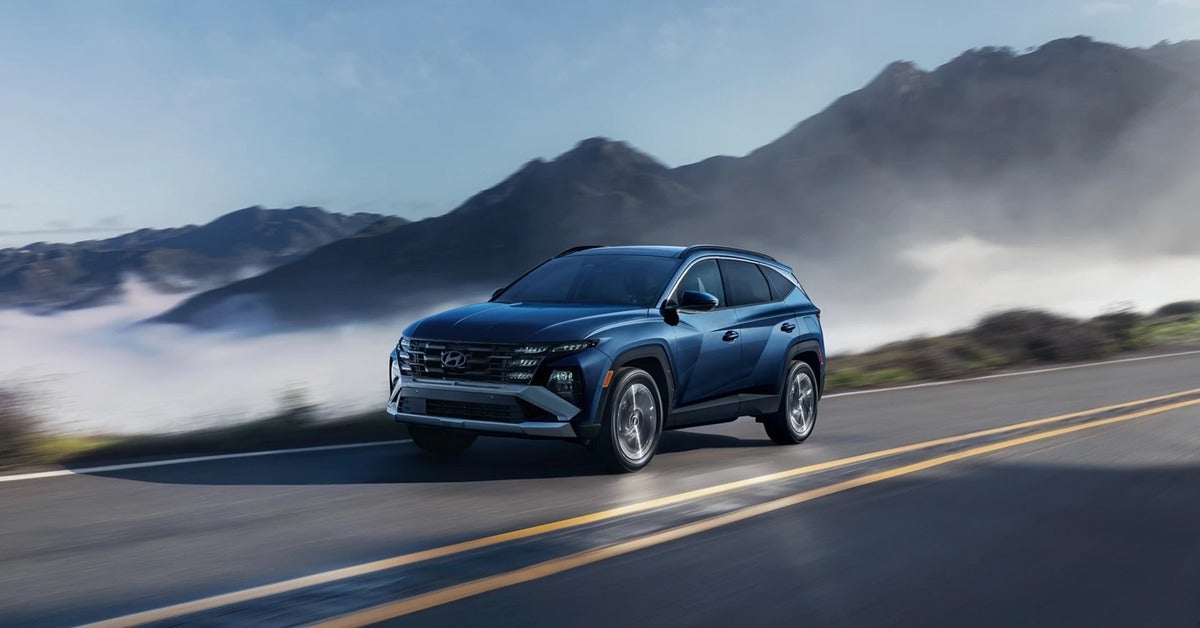



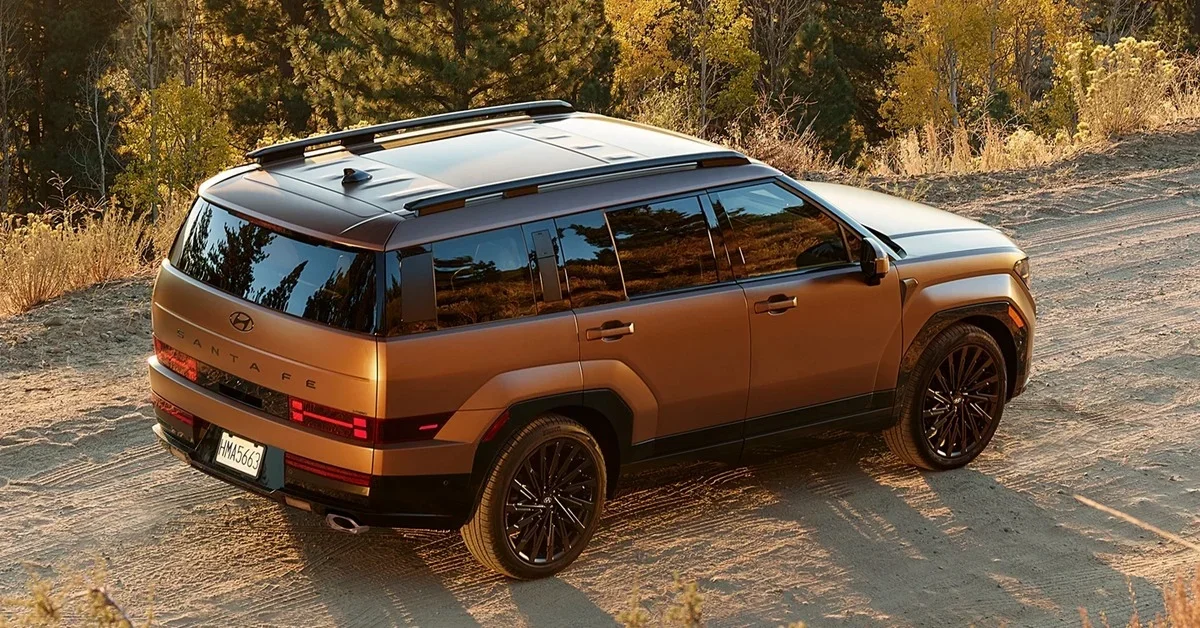
A clean vehicle history report and a polished exterior can make a used vehicle look like an easy choice. A certified preowned inspection is where the real confidence begins. It is the detailed process used to determine whether an eligible used vehicle meets a manufacturer’s certification standards before it is offered as Certified Pre-Owned.
For shoppers considering a Hyundai SUV, hybrid, EV, or sedan, certification can add meaningful reassurance. Still, it helps to understand what an inspection does, what it does not do, and the questions worth asking before you schedule a test drive.
What Is a Certified Preowned Inspection?
A Certified Pre-Owned, or CPO, vehicle is not simply a used vehicle with a warranty attached. It must generally meet requirements for age, mileage, condition, and vehicle history. Then it goes through a manufacturer-defined inspection performed by qualified technicians.
The purpose is to identify items that need repair, replacement, adjustment, or further evaluation before the vehicle can be certified. The technician examines major mechanical systems, safety equipment, interior and exterior condition, and vehicle operation. If a vehicle does not meet the program’s standards, it may be reconditioned and reinspected, or it may be offered as a conventional used vehicle instead.
That distinction matters. Every used vehicle deserves a careful review, but certification adds a specific manufacturer framework. Hyundai Certified Used Vehicles, for example, are evaluated against Hyundai program requirements rather than a dealership-created checklist alone.
What a Certified Preowned Inspection Typically Checks
Exact inspection points vary by manufacturer and can change by program year, but the areas reviewed are usually comprehensive. A good inspection is designed to look beyond the obvious.
Safety Systems and Road-Ready Basics
Technicians inspect the systems that affect safe daily driving first. That includes brake condition, tire wear and tread depth, steering response, suspension components, lights, wipers, horn operation, seat belts, mirrors, and windshield condition.
These checks are especially valuable when comparing two vehicles that appear similar online. One may have tires nearing the end of their useful life or brakes that need attention, while another may be better prepared for your commute from Madison to Redstone Arsenal or for weekend travel across North Alabama.
Engine, Transmission, and Drivetrain
The inspection also evaluates major mechanical components. Technicians look for fluid leaks, unusual noises, warning lights, engine performance concerns, transmission operation, cooling-system condition, battery condition, and drivetrain function.
On an all-wheel-drive Hyundai Tucson, Santa Fe, or Palisade, that review can include drivetrain-related components that deserve attention before a buyer relies on the vehicle in wet weather or on longer trips. A test drive remains useful, but the shop inspection gives technicians access to areas a customer cannot reasonably evaluate from the driver’s seat.
Interior Features and Technology
Modern vehicles contain far more than an engine and four tires. The inspection commonly verifies operation of the climate controls, power windows and locks, infotainment screen, backup camera, charging ports, audio system, remote-entry functions, and driver-information displays.
For many families, these are not minor conveniences. If you are shopping for a Palisade with multiple rows in use every day, working rear climate controls and accessible charging options can make a real difference. If you are comparing compact SUVs such as the Kona and Tucson, make sure the features you expect are present on the specific trim you are considering.
Exterior and Interior Condition
Certification standards generally address cosmetic condition as well as mechanical function. Technicians and reconditioning teams review paint, body panels, glass, wheels, upholstery, carpet, trim, odors, and signs of excessive wear.
This does not mean every certified vehicle will look factory-new. It means it has met the program’s condition standards. A preowned vehicle may still show reasonable evidence of prior ownership, particularly in areas that see normal use. Ask a product specialist to walk around the vehicle with you and point out any condition details before you make a decision.
Hybrid and EV Components
Hybrid and electric vehicles deserve a more specialized conversation. When considering a preowned IONIQ 5, IONIQ 6, Kona Electric, or hybrid Hyundai, ask how the inspection addresses charging equipment, high-voltage system alerts, battery-related diagnostics, and software updates.
An EV is not automatically a better or worse used choice than a gas-powered vehicle. It depends on your driving habits, access to charging, and the specific vehicle’s condition. A household with home charging and a predictable commute may find an EV especially convenient. A shopper who regularly drives long distances without dependable charging stops may prefer a hybrid or traditional gasoline model. The right answer should fit your routine, not a trend.
Certification Is Not a Substitute for Your Own Review
A CPO inspection is a strong starting point, not a reason to skip the customer side of the buying process. You should still test drive the exact vehicle, review its available history information, and make sure its size, seating, visibility, and controls work for you.
During the test drive, listen for sounds that seem out of place and pay attention to how the vehicle brakes, accelerates, steers, and rides over uneven pavement. Test the features you will use regularly. Pair your phone if that matters to you. Sit in the second and third rows if you carry passengers. Bring a child seat if fitment is a deciding factor.
Military and civilian professionals with demanding schedules often appreciate the efficiency of doing much of this research online first. You can narrow your options, get pre-approved, and compare key features before visiting. But the final step should still be a real drive and a straightforward conversation about the vehicle in front of you.
Questions to Ask About a Certified Preowned Inspection
You do not need to be a technician to ask useful questions. Start by confirming that the vehicle is manufacturer certified, not simply described as “certified” in a general sense. Then ask whether the vehicle received any reconditioning as part of the certification process and whether there are open recalls or service campaigns that need to be completed.
It is also reasonable to ask about warranty coverage, roadside assistance if included with the program, and what documents you will receive at delivery. Warranty terms have limits, so understand what is covered, how long the coverage applies, and whether deductibles or exclusions may apply.
For an EV or hybrid, ask about the charging cable or equipment included with the vehicle, available battery coverage, and the vehicle’s charging capability. For any vehicle, ask whether both key fobs are included and verify that all promised accessories are present before signing paperwork.
Certified Pre-Owned vs. Conventional Used: Which Fits?
The better choice depends on your priorities. A conventional used vehicle may provide more choices across model years, mileage ranges, and equipment levels. It can be a practical fit when you have a specific budget target, need a certain feature combination, or are open to vehicles outside CPO eligibility requirements.
A Certified Pre-Owned vehicle can be the better fit if inspection standards, manufacturer-backed coverage, and added peace of mind are high on your list. That can be particularly appealing when you are choosing a vehicle for a new driver, replacing an aging family vehicle, or moving into a larger SUV for the first time.
Neither path should feel rushed. Compare the actual condition, included features, history, coverage, and driving experience of each vehicle. A lower-mileage non-certified option is not automatically the best choice, just as a certified option is not automatically right for every household.
Make the Inspection Part of a Confident Purchase
At Bentley Hyundai, the goal is to make the next step clear, whether you are comparing a Certified Pre-Owned Tucson with a newer Kona, exploring an electrified vehicle, or trading in your current car. Search available inventory, review the vehicle details, get pre-approved when you are ready, and schedule a test drive that fits your day.
The best preowned vehicle is not the one with the longest feature list. It is the one whose condition, capability, and ownership plan give you confidence each time you turn the key or press the start button.
Frequently Asked Questions
Can I see the inspection report for a certified Hyundai before I buy?
It is reasonable to ask. Hyundai publishes its certified program details and inspection standards online, and a dealer can usually show you the completed inspection and any reconditioning performed on a specific vehicle. Review it alongside the vehicle history report. At Bentley Hyundai, ask a product specialist to go over the paperwork for the exact vehicle you are considering.
What should I check on a used Hyundai after a hot North Alabama summer?
Heat is hard on batteries, tires, cooling systems, and air conditioning. During your test drive, confirm the A/C blows cold quickly, look for even tread and no cracking on tire sidewalls, and ask whether the battery has been tested. For a hybrid or EV, ask about battery-related diagnostics and cooling system checks performed during the inspection.
Is a certified Hyundai a good fit for a Redstone Arsenal commute?
It can be. A certified vehicle has passed a manufacturer inspection and includes program coverage, which many commuters value for daily reliability. The right choice still depends on your mileage, budget, and how much room you need. A compact Kona or Tucson suits many solo commuters, while families often look at the Santa Fe or Palisade.
Can I trade in my current vehicle when I buy a certified Hyundai in Huntsville?
Yes. Bentley Hyundai accepts trade-ins, and you can start with an online value estimate before you visit. Bring your title or loan payoff details, registration, all keys, and any service records. If you still owe money, the payoff is handled as part of the transaction, and the difference affects the amount you finance.